
If you have inherited a property, one of the first practical questions you may face is whether an Energy Performance Certificate (EPC) is required.
EPCRATE Services — Quick Links
The answer depends largely on what you intend to do with the property.
Whether you plan to sell it, rent it out, keep it as an investment or move into it yourself, understanding EPC requirements can help avoid unnecessary delays and compliance issues.
This guide explains when an EPC is required for inherited property, how probate affects EPC obligations and what executors, beneficiaries and property owners should consider.
Founded in 2015 by Jinoy Jose, EPCRATE provides Domestic EPCs, Commercial EPCs, Floor Plans and Draft EPC Reviews across London.
What Is an EPC?
An Energy Performance Certificate measures the energy efficiency of a property and provides a rating from A (most efficient) to G (least efficient).
The certificate also includes:
- Current energy efficiency rating.
- Potential future rating.
- Estimated energy performance information.
- Carbon emissions data.
- Recommended improvement measures.
Domestic EPCs generally remain valid for 10 years from the date they are issued.
Do You Need an EPC When You Inherit a Property?
Simply inheriting a property does not automatically create a requirement for an EPC.
The requirement is usually triggered by what happens next.
If the property is going to be sold or rented, an EPC will normally be required in the same way as any other residential property.
Scenario 1: Selling an Inherited Property
If you intend to sell an inherited property, a valid EPC will generally be required before the property is marketed. See our guide on whether you can sell a house without an EPC.
Estate agents commonly request confirmation that a valid EPC exists before launching a property onto the market.
If an EPC already exists and remains valid, it can often continue to be used.
If no valid EPC exists, a new assessment will usually be required before marketing begins.
Before Selling, Check:
- Whether an EPC already exists.
- Whether the certificate is still valid.
- Whether significant improvements have been completed since it was issued.
- Whether supporting documentation is available.
Scenario 2: Renting an Inherited Property
If you intend to let the inherited property, a valid EPC will generally be required.
Landlords should also review current Minimum Energy Efficiency Standards (MEES). Our MEES guide for London landlords explains how these apply.
At the time of writing, many privately rented properties must generally achieve an EPC rating of E or above unless a valid exemption applies.
Landlords should review the latest government guidance as requirements can change over time.
Scenario 3: Living in the Property Yourself
If you intend to move into the property and neither sell nor rent it, there is generally no requirement to obtain an EPC solely because the property was inherited.
The obligation is normally linked to sale or rental activity rather than ownership itself.
What About Probate Properties?
Many inherited homes spend time in probate before being sold or transferred.
During the probate process itself, an EPC is not normally required simply because probate is taking place.
However, once the property is prepared for sale and marketing begins, EPC requirements will usually apply.
Many executors choose to arrange an EPC early so that the property can be marketed without delay once probate matters are resolved.
What If the Property Is Old or in Poor Condition?
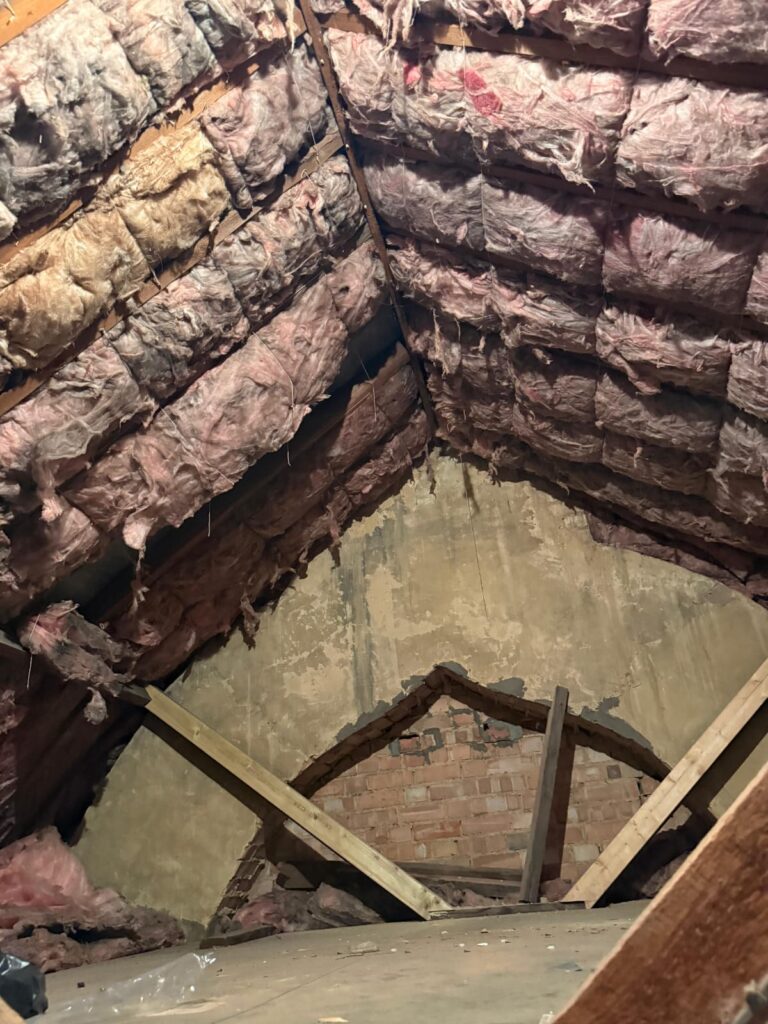
Inherited properties are often older homes that may contain:
- Solid walls.
- Older boilers.
- Limited insulation.
- Single glazing.
- Outdated heating controls.
As a result, some inherited properties may achieve lower EPC ratings.
A lower EPC rating does not usually prevent a property from being sold.
However, buyers, investors and mortgage lenders may consider energy performance as part of their wider decision-making process.
Why Supporting Evidence Matters
One challenge with inherited properties is that documentation is often missing.
Assessors can only record certain features where suitable evidence exists or where the feature can be verified under assessment conventions.
Useful documentation may include:
- FENSA certificates.
- Building Control approvals.
- Insulation certificates.
- MCS certificates.
- Manufacturer specifications.
If these records can be located, they may help ensure qualifying improvements are appropriately reflected where assessment methodologies allow. For concealed measures such as floor or internal wall insulation, documentary evidence is typically needed — usually Building Control sign-off, or builder documentation and architect’s drawings with invoices as backup. See our guide to what evidence can improve EPC accuracy.
Can a Draft EPC Review Help?
Many beneficiaries, executors and investors are unsure whether to improve a property before selling, renting or refinancing.
EPCRATE’s Draft EPC Review service can help property owners better understand the property’s current position before committing significant expenditure.
A Draft EPC review can help:
- Review current energy performance.
- Identify supporting evidence.
- Explore potential improvement pathways.
- Support budgeting decisions.
- Assist sale or rental planning.
However, a Draft EPC Review does not guarantee a future EPC rating, sale outcome, mortgage outcome or compliance result.
Are There Any EPC Exemptions?
Certain buildings may qualify for exemptions depending on their characteristics and the applicable regulations.
Examples can include some listed buildings, certain temporary buildings and some small standalone structures.
Exemptions should always be assessed carefully because assumptions regarding exemption status can create compliance risks. Our EPC exemptions guide covers this in more detail.
Quick Summary
| Situation | EPC Required? |
|---|---|
| Selling inherited property | Usually Yes |
| Renting inherited property | Usually Yes |
| Living in inherited property yourself | Usually No |
| Probate only (before marketing) | Usually No |
Why Choose EPCRATE?
- Founded in 2015 by Jinoy Jose, DEA accredited.
- NDEA-accredited assessors for commercial properties.
- Rated Excellent on Trustpilot.
- ★★★★★ Google Reviews.
- Coverage across all London boroughs.
- Domestic and Commercial EPC specialists.
- Draft EPC Review Service available.
- EPC & Floor Plan Bundles available.
- Greater London Energy Efficiency Awards – Commended 2024.
- Greater London Energy Efficiency Awards – Highly Commended 2025.
Frequently Asked Questions
Do inherited properties automatically need an EPC?⌄
No. The requirement is generally triggered by selling or renting the property rather than inheritance itself.
Can I use an existing EPC?⌄
If a valid EPC already exists and remains within its validity period, it can often continue to be used.
Does probate require an EPC?⌄
Not usually. However, an EPC is generally required once the property is marketed for sale.
Can I sell an inherited property with a low EPC rating?⌄
Yes. A low EPC rating does not normally prevent a property from being sold, although buyers may consider future improvement costs.
Can a Draft EPC Review help before selling?⌄
Many executors, beneficiaries and investors use Draft EPC Reviews to better understand a property’s current position before making decisions.
Need an EPC for an Inherited Property in London?
EPCRATE provides Domestic EPCs, Floor Plans and Draft EPC Reviews throughout London to help executors, beneficiaries and property owners prepare properties for sale, rent or long-term ownership. Next-day appointments are available from £59, with urgent same-day inspections from £90 (certificate issued on site) subject to availability.
Call 020 3488 4142 to discuss the property, or book your EPC assessment online.


Written by Jinoy Jose
DEA Accredited Energy Assessor · EPCRATE, London · Founded 2015
Jinoy Jose is the founder of EPCRATE and an accredited Domestic Energy Assessor (DEA). He has carried out thousands of EPC assessments across all 32 London boroughs since 2015, with NDEA-accredited assessors at EPCRATE covering commercial properties.
Last updated: · About the author →