
Heat pumps are one of the most talked-about upgrades for London homes — but their effect on an EPC rating is often misunderstood. This guide explains how heat pumps are treated in EPC assessments, what to consider before installing one, and how to make sure your certificate properly reflects the upgrade.
EPCRATE Services — Quick Links
How Do EPC Assessments Treat Heat Pumps?
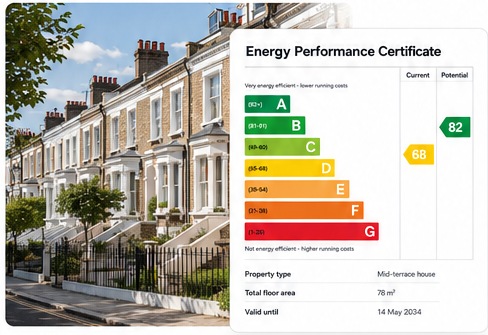
An EPC is produced using the government’s standard assessment methodology, which scores a property based on its estimated energy costs and efficiency. Heat pumps are generally more efficient than gas boilers in how they convert energy into heat — however, the actual efficiency depends entirely on the make and model of the unit. For the efficiency of a specific heat pump to be accurately reflected in an EPC, the model should be available in the Product Characteristics Database (PCDF) for selection in the RdSAP software used by assessors. If the model is not listed, default values may be applied, which can undersell the system’s true performance.
However, the impact on your final rating depends on the property as a whole — insulation levels, glazing, heating controls and hot water arrangements all feed into the calculation. The same heat pump can produce different rating outcomes in a well-insulated property versus a poorly insulated one. Always verify the current treatment of heat pumps against up-to-date government guidance, as the methodology is periodically revised.
Should You Insulate Before Installing a Heat Pump?
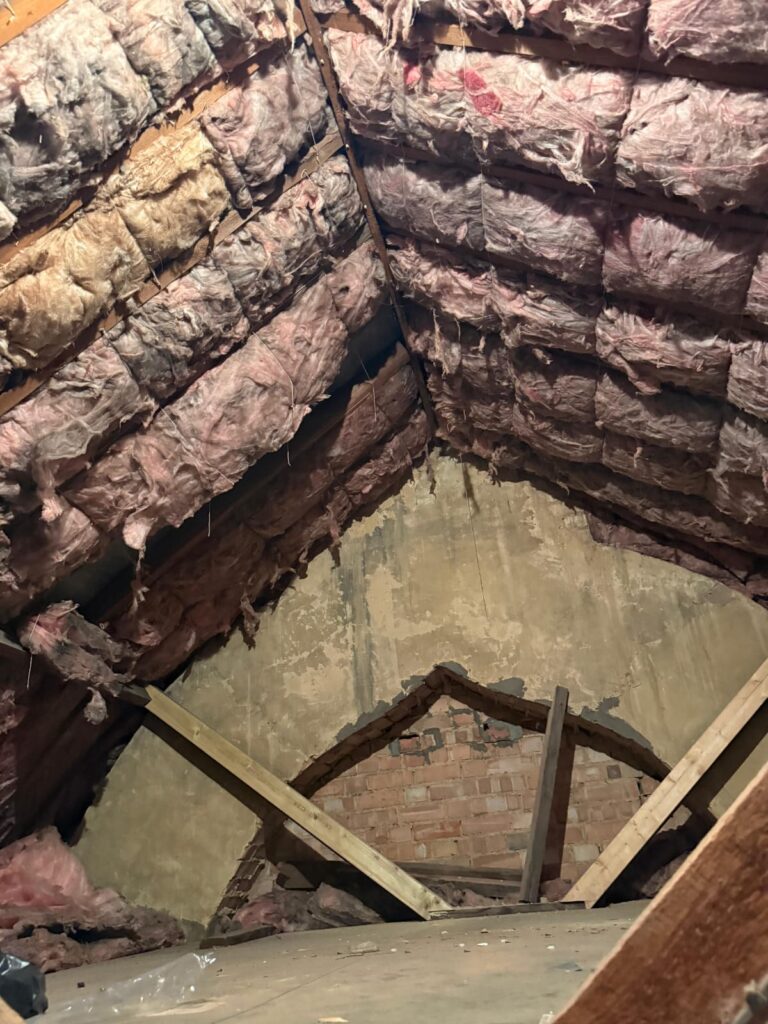
In most cases, yes. Heat pumps run at lower flow temperatures than gas boilers, so they perform best in properties that retain heat well. From an EPC perspective, combining insulation improvements with a heat pump installation typically produces a stronger rating uplift than the heat pump alone. Common preparatory measures include loft insulation top-ups, cavity or internal wall insulation where suitable, and upgraded heating controls.
If you are planning works, our guide to EPC improvement costs in London covers what different measures typically involve.
Evidence Matters: Make Sure Your Assessor Can Record the Upgrade
EPC assessors can only record what they can verify on the day. For a heat pump installation, keep the installation paperwork, commissioning certificate and the exact manufacturer and model details available for the assessment — the model name is what allows the assessor to select the correct unit from the PCDF. Without documentation, an assessor may need to apply default assumptions, which can undersell the improvement.
Heat Pumps in London Properties
London’s housing stock ranges from Victorian terraces to modern apartment blocks, and heat pump suitability varies accordingly. Flats may face installation constraints around external units and freeholder consent, while older solid-wall houses often benefit from fabric improvements first. Conservation areas and listed buildings carry additional planning considerations — check with your local borough before committing.
What This Means for Landlords
With minimum energy efficiency standards expected to tighten for rental properties, heating upgrades are increasingly relevant to landlords planning ahead. A heat pump can form part of a longer-term compliance strategy, but it is rarely the first measure to consider — insulation and controls usually deliver more rating improvement per pound spent. See our guide on improving EPC ratings without overspending.
Check Before You Commit: The Draft EPC Service
EPCRATE is the only London provider offering a Draft EPC service — you can review your assessment outcome and discuss how a planned heat pump or other improvements may affect your rating before the certificate is lodged on the national register. A Draft EPC does not guarantee a particular rating or compliance outcome, but it supports better-informed decisions.
Common Mistakes
- Installing a heat pump in a poorly insulated property and expecting a large rating jump.
- Not keeping commissioning paperwork available for the EPC assessment.
- Assuming all heat pump types are scored identically — air source, ground source and hybrid systems are assessed differently.
- Ignoring heating controls, which are a low-cost factor in the assessment.
Why Choose EPCRATE?
- Founded in 2015 by Jinoy Jose, DEA accredited.
- Rated Excellent on Trustpilot.
- ★★★★★ Google Reviews.
- Greater London Energy Efficiency Awards – Commended 2024.
- Greater London Energy Efficiency Awards – Highly Commended 2025.
- Coverage across all 32 London boroughs.
- Only London provider offering a Draft EPC review service.
Frequently Asked Questions
Will a heat pump improve my EPC rating?⌄
It can, particularly in well-insulated properties, but the outcome depends on the whole property. Insulation, glazing and controls all feed into the calculation alongside the heating system.
Should I get an EPC before or after installing a heat pump?⌄
After installation is when the upgrade can be recorded. If you want to understand your likely position first, EPCRATE’s Draft EPC service lets you review the assessment outcome before lodging.
What documents does the assessor need for a heat pump?⌄
Installation and commissioning paperwork with the manufacturer and model details. Without evidence, default assumptions may apply.
Do heat pumps suit London flats?⌄
Sometimes — external unit placement and freeholder consent are the usual constraints. Communal and individual arrangements are assessed differently.
How quickly can EPCRATE assess my property after an upgrade?⌄
Next-day appointments are standard across all 32 London boroughs, with urgent same-day visits available for £90 including the certificate issued on site.
EPC Pricing
| Service | Price |
|---|---|
| Next-day EPC — 1 bedroom | from £59 |
| Next-day EPC — 2 bedroom | £69 |
| Next-day EPC — 3 bedroom | £79 |
| Urgent EPC (same-day inspection, certificate issued on site) | £90 |
| EPC + Floor Plan Bundle (2 bedroom) | £118 — saves £20 |
| Studio conversion bulk EPC (qualifying multi-unit, same visit) | from £42.50/unit |
| Commercial EPC | from £140 |
Book your EPC today — call EPCRATE on 020 3488 4142.
Planning wider works than a heat pump? Our guide to Part L building regulations and your EPC covers what applies now — and what changes in March 2027.


Written by Jinoy Jose
DEA Accredited Energy Assessor · EPCRATE, London · Founded 2015
Jinoy Jose is the founder of EPCRATE and an accredited Domestic Energy Assessor (DEA). He has carried out thousands of EPC assessments across all 32 London boroughs since 2015, with NDEA-accredited assessors at EPCRATE covering commercial properties.
Last updated: · About the author →