
Energy Performance Certificates (EPCs) are required in many situations involving the sale, rental or marketing of residential and commercial properties. However, there are circumstances where a property may qualify for an exemption.
EPCRATE Services — Quick Links
Understanding EPC exemptions can help homeowners, landlords, estate agents and property investors determine whether a certificate is required for their property. However, exemptions are often misunderstood and should never be assumed without checking the latest government guidance.
Founded in 2015 by Jinoy Jose, EPCRATE has helped property owners across London understand EPC requirements and obtain compliant EPC assessments with fast turnaround times and same-day appointments available where possible. Call 020 3488 4142 to speak with our team.
What Is an EPC?
An Energy Performance Certificate measures the energy efficiency of a property and provides a rating from A (most efficient) to G (least efficient).
The certificate includes:
- Current energy efficiency rating.
- Potential future rating.
- Estimated energy performance information.
- Carbon emissions data.
- Recommended energy efficiency improvements.
Domestic EPCs generally remain valid for 10 years from the date they are issued.
What Is an EPC Exemption?
An EPC exemption is a circumstance where a property may not require an Energy Performance Certificate under current regulations.
Exemptions depend on specific criteria and property characteristics. Property owners should always verify eligibility using current government guidance before assuming an EPC is not required.
Where exemptions apply, supporting evidence may be required. For landlords specifically, see our EPC restrictions for landlords guide for a full breakdown of rental property obligations.
Are Listed Buildings Exempt from EPC Requirements?
Listed buildings are often discussed when EPC exemptions are mentioned.
However, listed status alone does not automatically mean an EPC is not required.
The circumstances surrounding the building, proposed works and applicable regulations must all be considered. Property owners should seek appropriate professional advice and review official guidance before relying on an exemption.
Can Temporary Buildings Be Exempt?
Certain temporary buildings may qualify for exemption under current regulations.
Eligibility depends on factors such as intended use, duration and regulatory definitions.
Property owners should ensure that any claimed exemption is supported by appropriate evidence.
Are Places of Worship Exempt?
Certain buildings used as places of worship may qualify for exemption from EPC requirements.
As with all exemptions, eligibility should be verified against the latest government guidance and specific property circumstances.
Can Small Buildings Be Exempt?
Some small standalone buildings may qualify for exemption where specific criteria are met.
Building size, use and construction characteristics may all be relevant when determining whether an exemption applies.
Property owners should review the latest regulations before making assumptions.
What About Buildings Scheduled for Demolition?
Properties that are due for demolition may qualify for exemption in certain circumstances.
Evidence supporting demolition plans may be required, and eligibility depends on the facts of the individual case.
Owners should ensure that appropriate documentation is retained where relevant.
Can Landlords Be Exempt from EPC Requirements?
In some situations, landlords may be able to register an exemption where specific qualifying criteria are met. Landlords across London boroughs including Hackney, Tower Hamlets, Newham and Lambeth should also be aware that landlord licensing schemes may require a valid EPC as part of the licence application regardless of MEES exemptions.
Examples may include circumstances where:
- Recommended improvements are not technically feasible.
- Required third-party consent cannot be obtained.
- Certain protected building considerations apply.
- Other qualifying exemption conditions are met.
Exemptions should never be assumed and must be supported by appropriate evidence where required.
Do Flats and Apartments Qualify for EPC Exemptions?
Flats and apartments are generally subject to the same EPC rules as other residential properties.
However, exemptions may apply where specific qualifying circumstances exist.
Each property should be assessed individually based on its own characteristics and applicable regulations.
EPCRATE regularly assesses:
- Leasehold flats.
- Purpose-built apartments.
- Maisonettes.
- Converted Victorian properties.
- Modern apartment developments.
How Do You Prove an EPC Exemption?
Where an exemption applies, property owners may need supporting evidence.
Examples can include:
- Professional reports.
- Planning documentation.
- Listed building information.
- Technical assessments.
- Other supporting records.
Documentation requirements depend on the exemption being claimed.
Common EPC Exemption Mistakes
Property owners sometimes make avoidable mistakes by:
- Assuming listed buildings are automatically exempt.
- Relying on outdated information.
- Failing to retain evidence.
- Not checking current regulations.
- Assuming exemptions transfer automatically between owners.
Reviewing current government guidance is always recommended before relying on an exemption.
What Happens During an EPC Assessment?
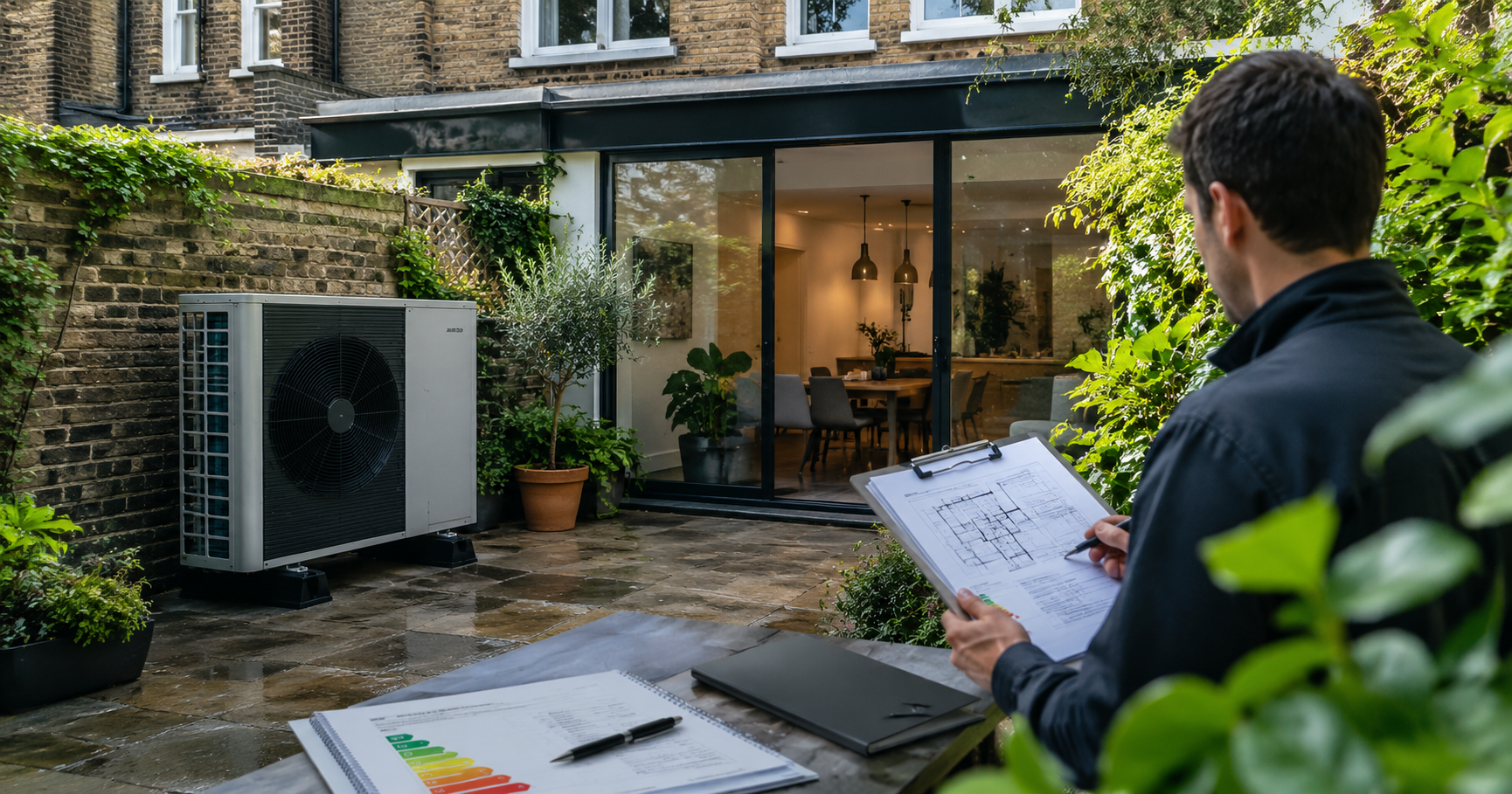
If an exemption does not apply, an EPC assessment is typically straightforward and non-invasive.
During the inspection, the assessor records information relating to:
- Property dimensions.
- Wall construction.
- Roof construction.
- Heating systems and controls.
- Hot water systems.
- Glazing.
- Fixed lighting.
- Insulation where supporting evidence is available.
Supporting documentation such as insulation certificates, FENSA certificates and Building Control records may help ensure qualifying features are recognised appropriately. EPCRATE typically lodges the certificate within 24 hours of the assessment.
Why Choose EPCRATE?
- Founded in 2015 by Jinoy Jose.
- DEA Accredited.
- Rated Excellent on Trustpilot.
- ★★★★★ Google Reviews.
- Same-day appointments available where possible.
- Coverage across all 32 London boroughs.
- Only London provider offering a Draft EPC service.
- Greater London Energy Efficiency Awards – Commended 2024.
- Greater London Energy Efficiency Awards – Highly Commended 2025.
Frequently Asked Questions
Are listed buildings automatically exempt from EPC requirements?⌄
No. Listed status alone does not automatically mean a property is exempt. Eligibility depends on the circumstances and current regulations. Contact EPCRATE on 020 3488 4142 if you need guidance.
Do landlords qualify for EPC exemptions?⌄
Some landlords may qualify where specific exemption criteria are met and supporting evidence is available. Requirements should always be verified against current government guidance.
Do flats need EPCs?⌄
In many circumstances, flats and apartments require valid EPCs unless a qualifying exemption applies. EPCRATE assesses all property types across London from £59.
How can I check whether my property is exempt?⌄
Property owners should review current government guidance and seek professional advice where appropriate. Call EPCRATE on 020 3488 4142 for advice specific to London properties.
Can I book a same-day EPC appointment in London?⌄
Same-day appointments may be available depending on assessor availability and location. Call EPCRATE on 020 3488 4142 to check and book.
Unsure whether your property requires an EPC? Contact EPCRATE on 020 3488 4142 for guidance and fast EPC appointments across London.
| Service | Price |
|---|---|
| 1 Bedroom EPC | £59 |
| 2 Bedroom EPC | £69 |
| 3 Bedroom EPC | £79 |
| EPC + Floor Plan Bundle | £118 |


Written by Jinoy Jose
DEA Accredited Energy Assessor · EPCRATE, London · Founded 2015
Jinoy Jose is the founder of EPCRATE and an accredited Domestic Energy Assessor (DEA). He has carried out thousands of EPC assessments across all 32 London boroughs since 2015, with NDEA-accredited assessors at EPCRATE covering commercial properties.
Last updated: · About the author →