
Short answer: yes — and earlier than most sellers think. The call I get every week is from someone whose estate agent has just refused to list the property without a valid EPC. Here’s exactly what the law requires when selling in 2026, when to order the certificate, and what to do if your rating disappoints.
EPCRATE Services — Quick Links
Is an EPC legally required to sell a house?
Yes. You must have a valid EPC — or at least have commissioned one — before your property is marketed for sale in England and Wales. Not before completion, not before the offer: before the listing goes up. The rating must appear on property listings, and the buyer must receive a copy before completion. Estate agents enforce this strictly because the duty catches them too.
Do I need a new EPC if I already have one?
Check the national EPC register first — it’s free. If your existing certificate is still within its 10-year validity, you can reuse it, even if you weren’t the owner when it was issued. You only need a new one if it has expired — or if you’ve made improvements since (new boiler, insulation, glazing) that the old certificate doesn’t show. That second case isn’t a legal requirement, but an outdated D on the listing when the house now merits a C costs you buyer perception for the sake of a £59 assessment. Our guide on how long an EPC lasts covers the renewal decision in detail.
Is there a minimum EPC rating to sell?
No. This surprises people: even an F or G property can legally be sold — the band E minimum only applies to letting. What a low band does affect is the sale itself: buyers price in upgrade costs, some lenders look harder at inefficient properties, and buy-to-let purchasers know an F or G can’t be let without work or a registered exemption. See our full guide to minimum EPC rating requirements in 2026.
When should I order the EPC in the selling process?
As the first document, before photographs and floor plans. Practical reasons: it’s legally required before marketing anyway; the rating can inform your asking price; and if the result is lower than expected, you have time to fix evidence gaps or make small improvements before buyers see it. In London we combine it with the sale’s other essential — the EPC + floor plan bundle (£118, saving £20) gets both done in one visit, which is how most sellers book it.
What does an EPC cost when selling in 2026?
From £59 for a studio or one-bed, £69 for a two-bed, £79 for a three-bed and £89 for a four-bed — see full pricing. If the listing is ready and you need the certificate today, the same-day service (£90) issues it on the visit.
What if my EPC rating comes back lower than expected?
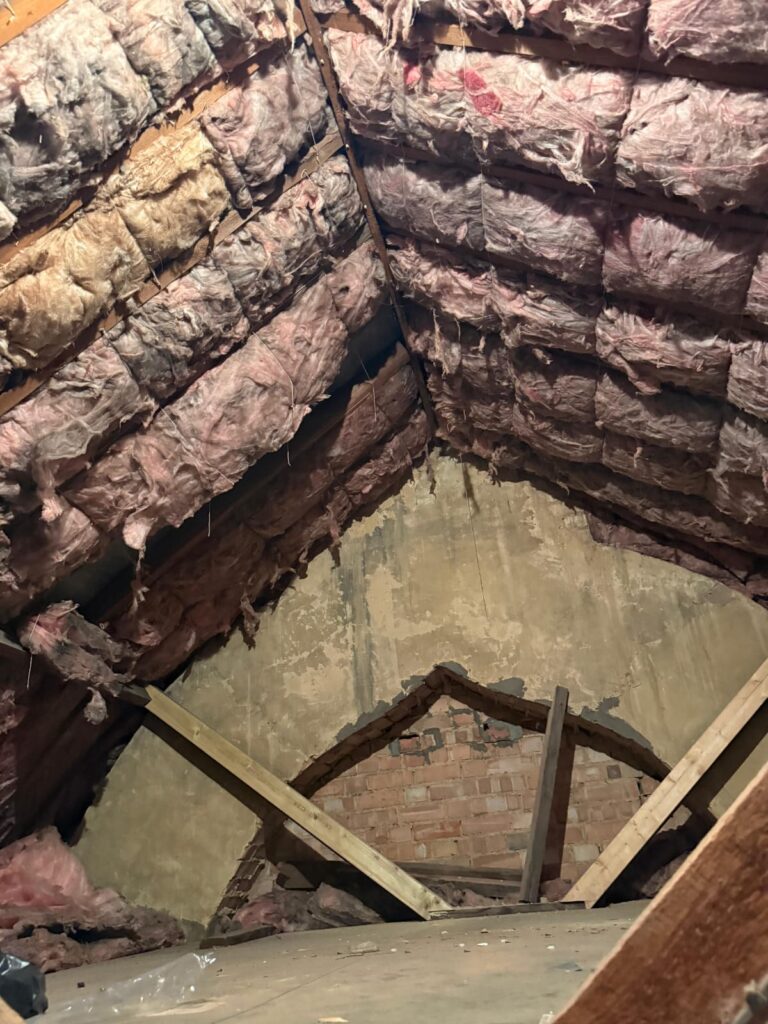
Before spending on improvements, check whether the rating is even right. The most common cause of a disappointing result is missing evidence, not a poor house: unverifiable insulation, an unidentified boiler or undocumented glazing all force the assessment onto conservative default assumptions. Digging out FENSA certificates, boiler documentation and installation paperwork — then reassessing — can lift a band with no building work. Our guide to assumed values in EPCs explains the mechanism. If the house genuinely needs improvement, a Draft EPC models which works would move the band before you commit.
Selling with an EPC — quick answers
Can I market my house while waiting for the EPC?
You must have commissioned the EPC before marketing begins, and it must be provided within the allowed window — in practice, agents want the certificate in hand before the listing goes live.
Can I sell a house with an F or G EPC rating?
Yes — there is no minimum rating for sales. Buyers will factor upgrade costs into offers, and buy-to-let buyers know it can’t be let below band E without works or an exemption.
How quickly can I get an EPC for a sale in London?
Usually within 24–48 hours of the visit — or the same day with the urgent £90 service, where the certificate is issued on site.
Getting a sale ready? Book your EPC online or call 020 3488 4142 — all 32 London boroughs. Rated ★★★★★ on Google Reviews and rated Excellent on Trustpilot; Greater London Energy Efficiency Awards, Commended 2024 and Highly Commended 2025.


Written by Jinoy Jose
DEA Accredited Energy Assessor · EPCRATE, London · Founded 2015
Jinoy Jose is the founder of EPCRATE and an accredited Domestic Energy Assessor (DEA). He has carried out thousands of EPC assessments across all 32 London boroughs since 2015, with NDEA-accredited assessors at EPCRATE covering commercial properties.
Last updated: · About the author →