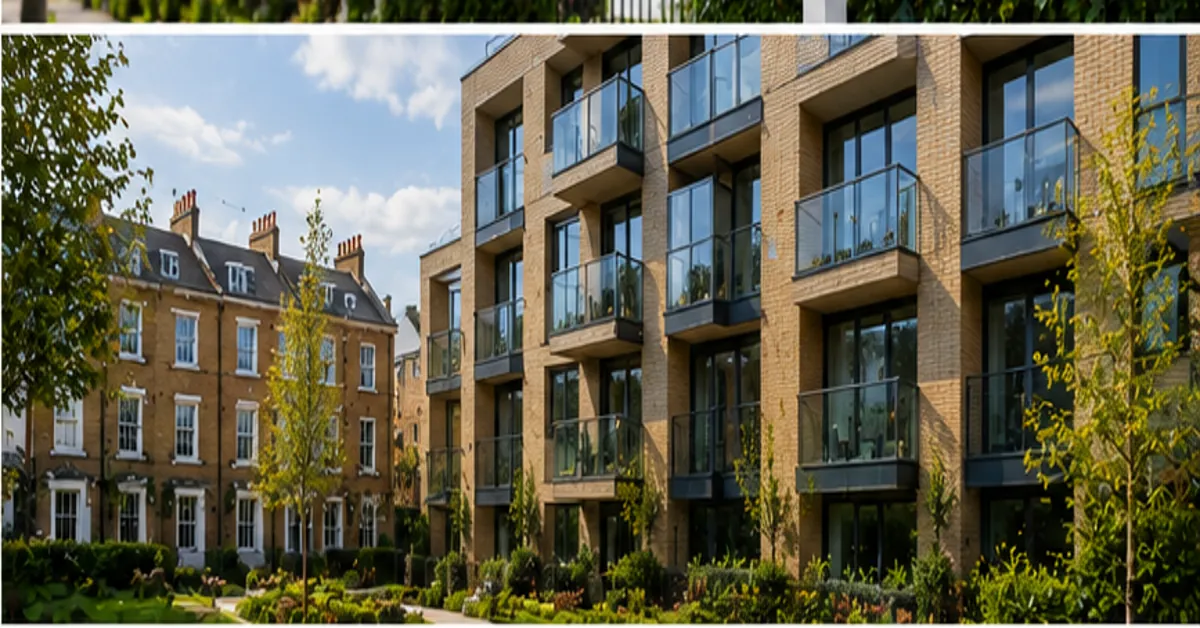
Many homeowners are surprised when they receive an Energy Performance Certificate (EPC) that seems completely at odds with their day-to-day experience.
EPCRATE Services — Quick Links
You may live in a home that feels warm, comfortable and relatively inexpensive to run, yet the EPC suggests the property is only moderately energy efficient. Equally, some homes with respectable EPC ratings can still feel cold, draughty or uncomfortable during winter.
This apparent contradiction is more common than many people realise.
The reason is simple: an EPC measures calculated energy performance using a standardised methodology. It does not directly measure comfort, lifestyle or how occupants use a property.
What Does an EPC Actually Measure?
An EPC assesses the theoretical energy efficiency of a building using government-approved methodologies. To understand exactly how the score is produced, see our guide on how an EPC is calculated.
The assessment considers factors such as:
- Wall, roof and floor construction.
- Insulation levels.
- Heating systems.
- Hot water systems.
- Windows and glazing.
- Fixed lighting.
- Renewable technologies.
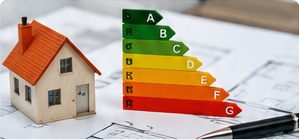
The property then receives a rating from A (most efficient) to G (least efficient). See our guide to EPC bands explained.
The EPC also provides information relating to estimated energy costs, carbon emissions and potential improvement measures.
Why Comfort and Efficiency Are Not the Same Thing
One of the most common misconceptions is that a warm home should automatically achieve a strong EPC rating.
However, a property may feel warm for many reasons that are not directly reflected within the EPC methodology.
For example, occupants may:
- Heat the property for longer periods.
- Maintain higher thermostat settings.
- Use supplementary heaters.
- Occupy only certain rooms.
The EPC focuses on how efficiently the building is expected to perform rather than how occupants choose to use it.
Why Older Homes Often Surprise Their Owners
Many Victorian, Edwardian and traditional properties feel comfortable and characterful despite achieving modest EPC ratings.
These buildings often have:
- Solid wall construction.
- Traditional building materials.
- Different thermal characteristics.
- Natural ventilation.
Although these homes may be enjoyable to live in, they were not designed around modern energy-efficiency standards.
As a result, EPC ratings can sometimes appear lower than owners expect. Our guide to a poor EPC rating explained covers why this happens and what can help.
Why Some Highly Rated Homes Still Feel Uncomfortable
The reverse can also happen.
A property may achieve a relatively strong EPC rating while still feeling less comfortable than expected.
Factors that influence comfort include:
- Air movement.
- Ventilation.
- Humidity.
- Sunlight exposure.
- Room layout.
- Personal temperature preferences.
These factors are not fully reflected within the EPC methodology.
The Importance of Occupant Behaviour
EPC calculations use standardised assumptions about occupancy and energy use.
They do not use:
- Your actual energy bills.
- Smart meter data.
- Your preferred room temperatures.
- Your daily routine.
This allows properties to be compared consistently, but it also means the certificate cannot fully reflect individual lifestyles.
Why Evidence Can Make a Difference
Many energy-efficiency improvements become hidden once installed.
Examples include:
- Floor insulation.
- Internal wall insulation.
- Cavity wall insulation.
- Certain heating upgrades.
Where improvements cannot be evidenced, assessors may be required to apply default assumptions under approved conventions.
Useful supporting documentation may include Building Control records, insulation certificates, FENSA certificates and manufacturer specifications. For concealed measures such as floor or internal wall insulation, documentary evidence is typically needed — usually Building Control sign-off, or builder documentation and architect’s drawings with invoices as backup. See our guide to what evidence can improve EPC accuracy.
Balancing Efficiency and Comfort
The best property improvements often support both energy efficiency and everyday comfort.
Examples may include:
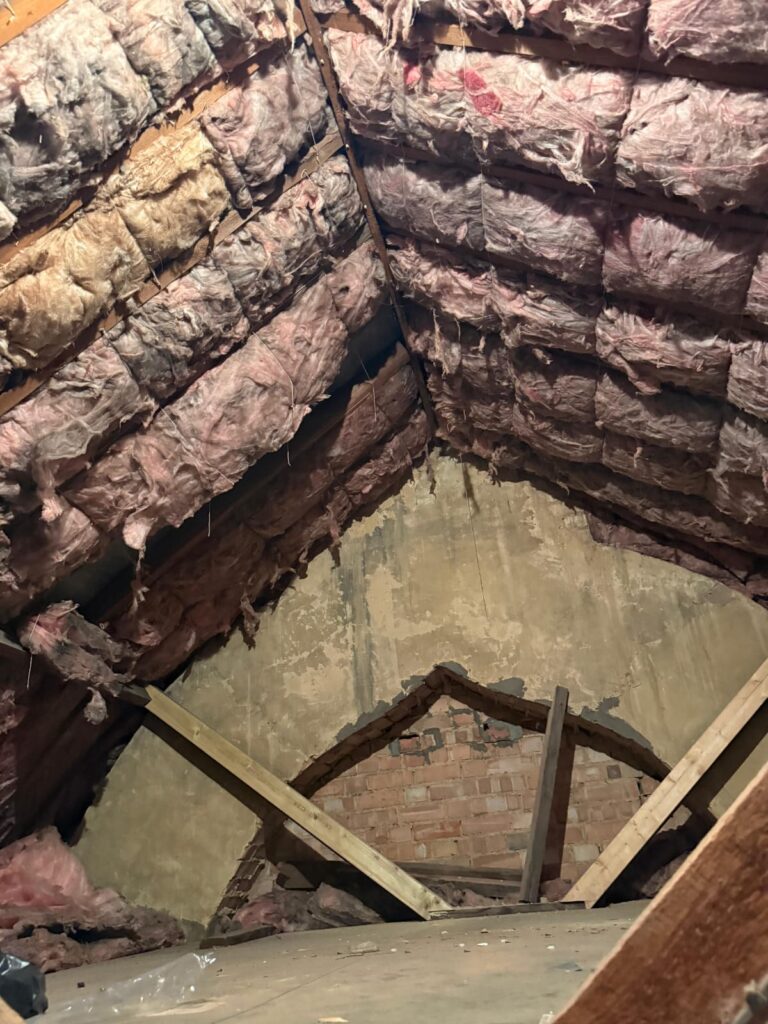
- Loft insulation.
- Draught-proofing.
- Improved heating controls.
- Modern heating systems.
- Appropriate glazing improvements.
No improvement can guarantee a specific EPC rating or comfort outcome, but many measures may support both objectives. Our guide on improving EPC ratings without overspending covers cost-effective options.
How a Draft EPC Review Can Help
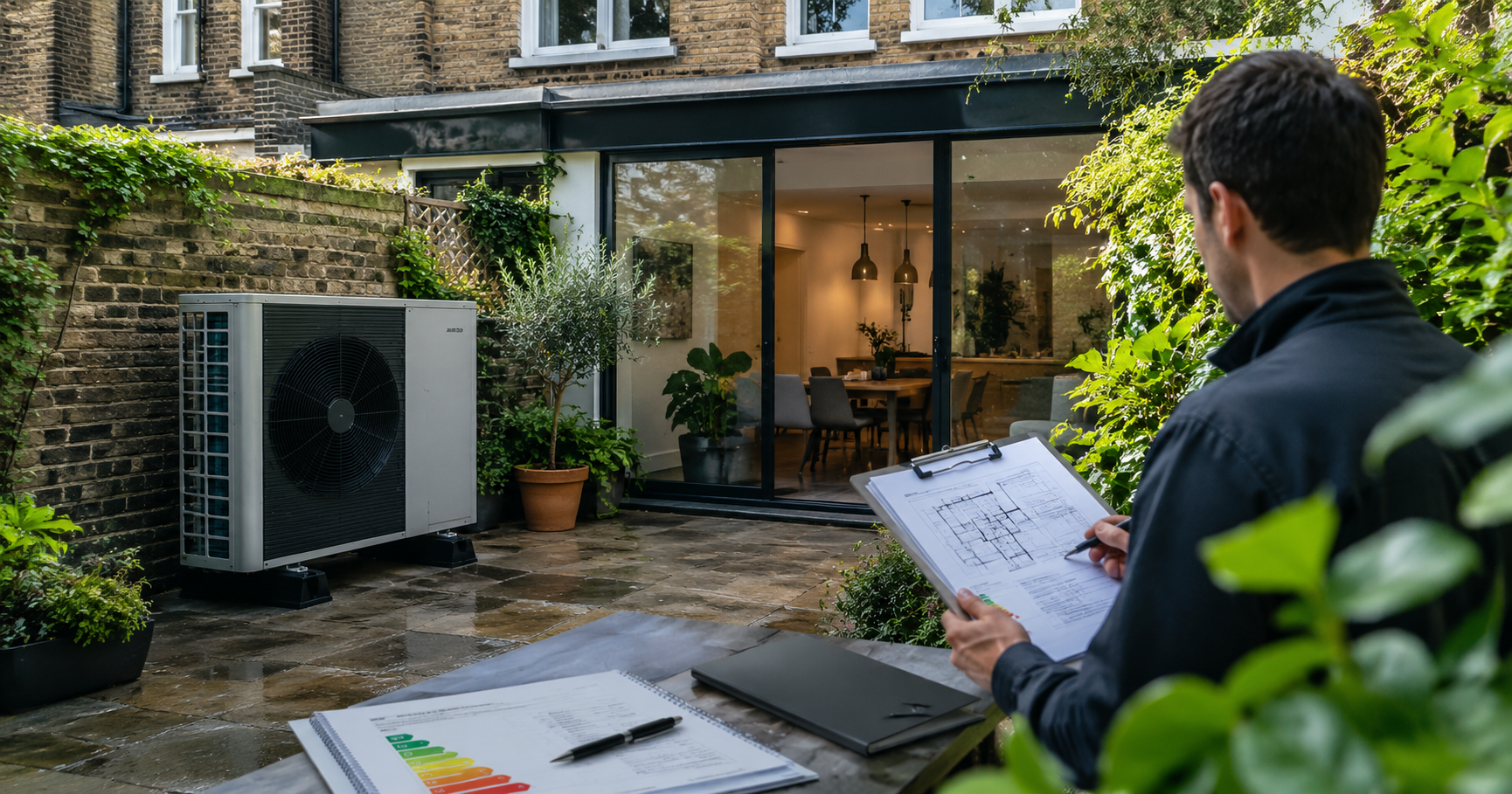
Many homeowners, landlords and investors use EPCRATE’s Draft EPC Review service before committing to significant improvement works.
This can help review:
- Current EPC position.
- Available supporting evidence.
- Potential improvement pathways.
- Budget priorities.
A Draft EPC Review does not guarantee a future EPC rating, compliance outcome, mortgage outcome or improvement result.
Why Choose EPCRATE?
- Founded in 2015 by Jinoy Jose, DEA accredited.
- NDEA-accredited assessors for commercial properties.
- Rated Excellent on Trustpilot.
- ★★★★★ Google Reviews.
- Coverage across all London boroughs.
- Domestic and Commercial EPC specialists.
- Draft EPC Review Service available.
- EPC & Floor Plan Bundles available.
- Greater London Energy Efficiency Awards – Commended 2024.
- Greater London Energy Efficiency Awards – Highly Commended 2025.
Frequently Asked Questions
Why is my EPC rating low when my home feels warm?⌄
An EPC measures the building’s calculated efficiency using standard assumptions, not how warm it feels. A home can feel warm because of how it is heated and used, even if the building’s assessed efficiency is moderate.
Does an EPC use my actual energy bills or smart meter data?⌄
No. EPCs use standardised assumptions so properties can be compared fairly, rather than your actual bills, smart meter data or daily routine.
Why do older homes often get lower EPC ratings?⌄
Period properties with solid walls and traditional materials were not designed around modern efficiency standards, so their assessed ratings can be lower than owners expect — even when the home feels comfortable.
Can a home with a good EPC rating still feel cold?⌄
Yes. Comfort also depends on ventilation, air movement, humidity, sunlight and layout, which are not fully reflected in the EPC methodology.
Can improvements raise both comfort and EPC rating?⌄
Often, yes. Measures such as loft insulation, draught-proofing and better heating controls can support both objectives, although no measure guarantees a specific rating or comfort outcome.
Need an EPC in London?
EPCRATE provides Domestic EPCs, Commercial EPCs, Floor Plans and Draft EPC Reviews across all 32 London boroughs. Next-day appointments are available from £59, with urgent same-day inspections from £90 (certificate issued on site) subject to availability.
Call 020 3488 4142 to discuss your property, or book your EPC assessment online.
Final Thoughts
An EPC is an important tool for understanding the calculated energy performance of a property, but it does not tell the entire story of how a home feels to live in.
Comfort depends on a wide range of factors including heating habits, ventilation, sunlight, building characteristics and personal preferences.
Understanding the difference between comfort and calculated energy efficiency can help property owners make more informed decisions when planning improvements, selling, letting or investing in property.


Written by Jinoy Jose
DEA Accredited Energy Assessor · EPCRATE, London · Founded 2015
Jinoy Jose is the founder of EPCRATE and an accredited Domestic Energy Assessor (DEA). He has carried out thousands of EPC assessments across all 32 London boroughs since 2015, with NDEA-accredited assessors at EPCRATE covering commercial properties.
Last updated: · About the author →