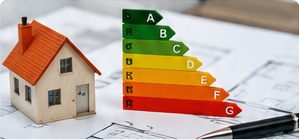

Every UK property with an Energy Performance Certificate (EPC) receives a simple A to G rating, but behind that colour-coded chart sits a detailed assessment methodology.
EPCRATE Services — Quick Links
Many homeowners assume an EPC rating is only about insulation or heating. In reality, the calculation considers a wide range of property characteristics, evidence, assumptions and approved assessment rules.
This refreshed guide explains what goes into an EPC score, why similar homes can receive different ratings and how property owners can prepare for a more accurate assessment.
Founded in 2015 by Jinoy Jose, EPCRATE provides Domestic EPCs, Commercial EPCs, Floor Plans and Draft EPC Reviews across London.
The Simple Version: Think of Your Home as a Bucket
Before the technical detail, here is the quick mental model. An EPC essentially measures two things: how efficiently your home generates heat, and how well it holds onto it. Picture your property as a bucket being filled with water.
1. The input — how much energy you need
This looks at the scale of your property and your heating system. The size: how big is the space you are heating (how large is the bucket)? The system: a modern, well-maintained and efficient heating system warms your home using less energy, giving you a head start on a better EPC rating.
2. The retention — can your home hold the heat?
Once your home is warm, the clock starts ticking. Poor insulation, single-glazed windows or uninsulated walls are like holes in the bucket — the heat pours out and your system works overtime. A well-insulated home acts like a high-quality thermos, trapping warmth long after the heating is turned off.
The EPC golden rule: the smaller the gap between the heat you put in and the heat your property loses, the higher your energy efficiency rating will be.
3. The boost — renewable energy
You can push your performance further with renewable technology. Solar panels (solar PV) let you generate your own clean electricity, while a solar water heater (solar thermal) uses the sun to help heat your hot water. Both reduce your reliance on the grid and can meaningfully improve your EPC rating through renewables.
1. EPC Ratings Are Based on SAP and RdSAP Methodologies
The Standard Assessment Procedure, commonly known as SAP, is the UK government’s approved methodology for assessing the energy performance of residential buildings.
There are two main approaches:
- SAP: Used mainly for new-build properties and based on design specifications.
- RdSAP: Reduced Data SAP, used for most existing homes and based on property inspection, available evidence and approved assumptions.
Most EPC assessments for existing homes are carried out using RdSAP.
2. What Does the EPC Calculation Consider?
The EPC calculation does not measure your actual energy bills or personal energy usage.
Instead, it models the property using standardised assumptions and approved software.
The assessment considers factors such as:
- Heating systems.
- Hot water systems.
- Wall construction.
- Roof construction.
- Floor construction.
- Insulation levels.
- Windows and glazing.
- Fixed lighting.
- Ventilation.
- Renewable technologies.
- Fuel type.
- Property size and layout.
The final result produces an energy efficiency rating and environmental impact information.
3. Why There Is No Simple Manual EPC Formula
Although EPC ratings may look simple, the calculation behind them is not a basic manual formula.
SAP and RdSAP use government-approved methodologies that combine building characteristics, heating systems, fuel assumptions, ventilation, lighting, insulation and other inputs.
The final EPC score is generated using approved software rather than a simple calculation that can be accurately reproduced by hand.
This is why two properties that look similar externally can sometimes receive different EPC ratings.
4. Dozens of Data Points Can Influence the Rating
An EPC assessment uses dozens of individual data points relating to the property.
| Category | Examples |
|---|---|
| Insulation | Loft insulation, wall insulation, floor insulation |
| Heating | Main heating system, secondary heating, heating controls |
| Glazing | Double glazing, single glazing, age and type of windows |
| Hot Water | Cylinder insulation, system type, controls |
| Lighting | Percentage of fixed low-energy lighting |
| Renewables | Solar PV, solar thermal, heat pumps where applicable |
| Building Fabric | Walls, roof, floors, extensions and property age |
Small differences across several categories can influence the overall rating.
5. Why Evidence Matters More Than Most Property Owners Realise
One of the most important parts of the EPC process is supporting evidence.
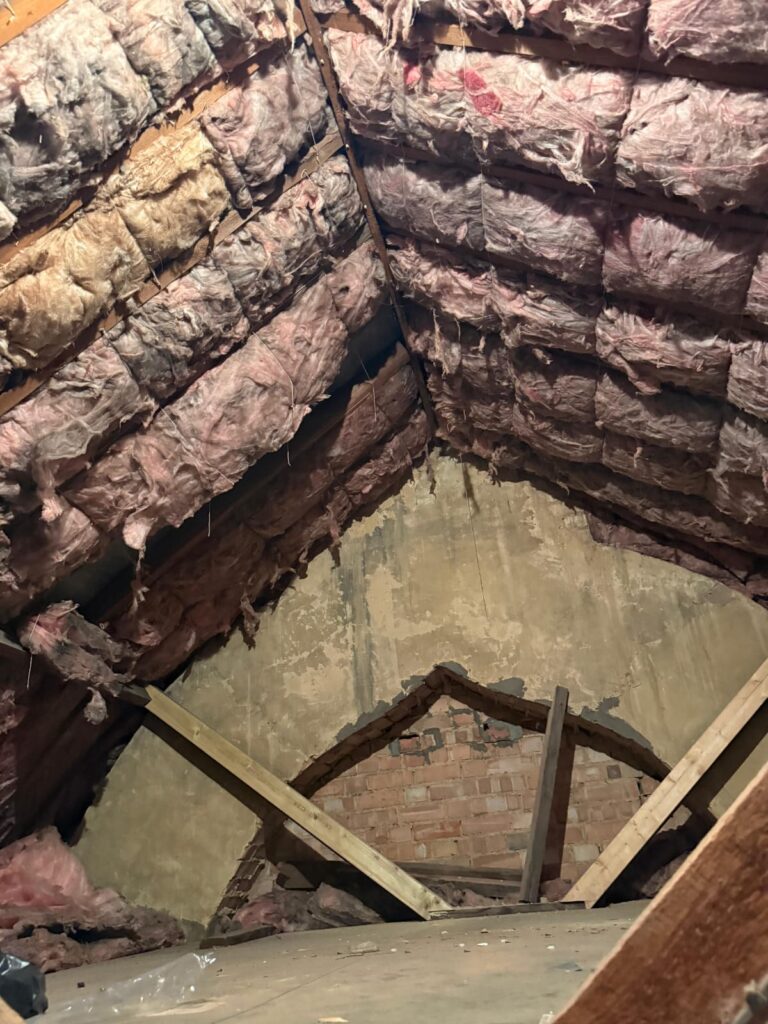
Assessors must follow approved assessment conventions. Where certain improvements cannot be visually confirmed, suitable documentation may be required before they can be recorded.
Useful evidence may include:
- FENSA certificates.
- Building Control approvals.
- Insulation certificates.
- MCS certificates for renewable technologies.
- Manufacturer specifications.
- Architect drawings and contractor documentation.
Where qualifying improvements cannot be evidenced, assessors may be required to use default assumptions under RdSAP conventions. For concealed measures such as floor or internal wall insulation, documentary evidence is typically needed — usually Building Control sign-off, or builder documentation and architect’s drawings with invoices as backup. See our guide to what evidence can improve EPC accuracy.
Providing evidence does not guarantee a particular EPC rating, but it may help ensure eligible property features are appropriately reflected where assessment methodologies allow.
6. EPCs Do Not Measure Real-Life Energy Behaviour
An EPC does not calculate your exact household energy bills.
The methodology uses standardised assumptions so properties can be compared fairly.
This means two identical properties may receive the same EPC rating even if the occupants use energy very differently.
For example, a single occupant and a large family may have very different bills, but the EPC is designed to assess the building rather than personal lifestyle.
7. Why EPC Ratings Can Change Over Time
EPC assessment methodologies and software are periodically updated.
Changes may reflect updates in:
- Fuel costs.
- Carbon factors.
- Assessment conventions.
- Technology recognition.
- Software calculation rules.
As methodologies evolve, the same property may achieve different outcomes under different software versions and assumptions.
This is one reason why property owners sometimes choose to obtain an updated EPC after major improvements or when preparing to sell, rent or remortgage.
8. Improvements That Often Influence EPC Ratings
Different improvements can influence EPC ratings in different ways depending on the property.
Common areas reviewed during EPC assessments include:
- Loft insulation.
- Wall insulation.
- Floor insulation.
- Heating systems.
- Heating controls.
- Hot water systems.
- Glazing.
- Fixed low-energy lighting.
- Renewable technologies.
Some improvements may have a greater influence than others depending on the building’s starting point. Our guide on improving EPC ratings without overspending covers the most cost-effective options.
No upgrade can guarantee a specific EPC rating because outcomes depend on the property, evidence and approved methodology.
9. Heating Systems and EPC Ratings
Heating systems are a major part of most EPC assessments.
The performance of a heating system depends on the technology, efficiency, controls, fuel assumptions and property characteristics used within the methodology.
Older systems may perform less favourably than modern high-efficiency systems, but the final outcome depends on the whole property rather than the heating system alone.
Supporting evidence such as heat pump documentation or manufacturer specifications can be helpful where relevant. For heat pumps, efficiency is only accurately reflected where the specific model is listed for selection in the assessment software.
10. Why Landlords and Investors Review EPC Data Before Renovating
Many landlords and property investors consider EPC performance before refurbishment, remortgaging or purchasing a property.
This is especially important where improvement works may involve significant expenditure.
Before spending money, property owners may wish to understand:
- The current EPC position.
- Available supporting evidence.
- Possible improvement pathways.
- Property-specific limitations.
- Budget priorities.
This is where EPCRATE’s Draft EPC Review service can help.
A Draft EPC Review can support planning by helping property owners review available information and explore potential improvement scenarios before committing significant expenditure.
However, a Draft EPC Review does not guarantee a future EPC rating, compliance outcome, mortgage outcome or improvement result.
11. EPCs, Mortgages and Remortgages
Some homeowners and landlords review their EPC position before applying for a mortgage or remortgage, especially after completing energy efficiency improvements.
Some lenders offer Green Mortgage products linked to stronger EPC ratings, although eligibility varies between lenders and products.
An updated EPC may provide a more current reflection of completed works where suitable evidence is available.
No EPC assessment can guarantee mortgage approval, lender acceptance or eligibility for any specific financial product.
Final Thoughts
The EPC rating is not arbitrary, but it is highly dependent on inputs, evidence, assumptions and approved assessment methodology.
Understanding how the process works can help property owners prepare more effectively, gather the right documentation and make more informed decisions before spending money on improvements.
If your property has been renovated, upgraded or is being prepared for sale, rent or remortgage, reviewing your EPC position can be a useful step.
Related: how air-tightness testing affects an EPC rating.
Why Choose EPCRATE?
- Founded in 2015 by Jinoy Jose, DEA accredited.
- NDEA-accredited assessors for commercial properties.
- Rated Excellent on Trustpilot.
- ★★★★★ Google Reviews.
- Coverage across all London boroughs.
- Domestic and Commercial EPC specialists.
- Draft EPC Review Service available.
- EPC & Floor Plan Bundles available.
- Greater London Energy Efficiency Awards – Commended 2024.
- Greater London Energy Efficiency Awards – Highly Commended 2025.
Frequently Asked Questions
What methodology do assessors use for existing homes?⌄
Most existing homes are assessed using RdSAP, which is based on inspection, available evidence and approved assessment assumptions.
Why do similar homes get different EPC ratings?⌄
Small differences in heating systems, insulation, glazing, extensions, property age and supporting evidence can influence the final rating.
Can I influence the EPC inputs legitimately?⌄
Yes. Providing suitable supporting evidence may help ensure qualifying improvements are appropriately reflected where assessment conventions allow.
Does an EPC use my actual energy bills?⌄
No. EPCs use standardised assumptions rather than actual household energy consumption.
Can a Draft EPC Review guarantee a better EPC rating?⌄
No. A Draft EPC Review can help with planning and evidence review, but it cannot guarantee any particular EPC outcome.
Need Help Understanding Your EPC?
EPCRATE provides Domestic EPCs, Commercial EPCs, Floor Plans and Draft EPC Reviews across all 32 London boroughs. Next-day appointments are available from £59, with urgent same-day inspections from £90 (certificate issued on site) subject to availability.
Call 020 3488 4142 to discuss your property, or book your EPC assessment online.


Written by Jinoy Jose
DEA Accredited Energy Assessor · EPCRATE, London · Founded 2015
Jinoy Jose is the founder of EPCRATE and an accredited Domestic Energy Assessor (DEA). He has carried out thousands of EPC assessments across all 32 London boroughs since 2015, with NDEA-accredited assessors at EPCRATE covering commercial properties.
Last updated: · About the author →