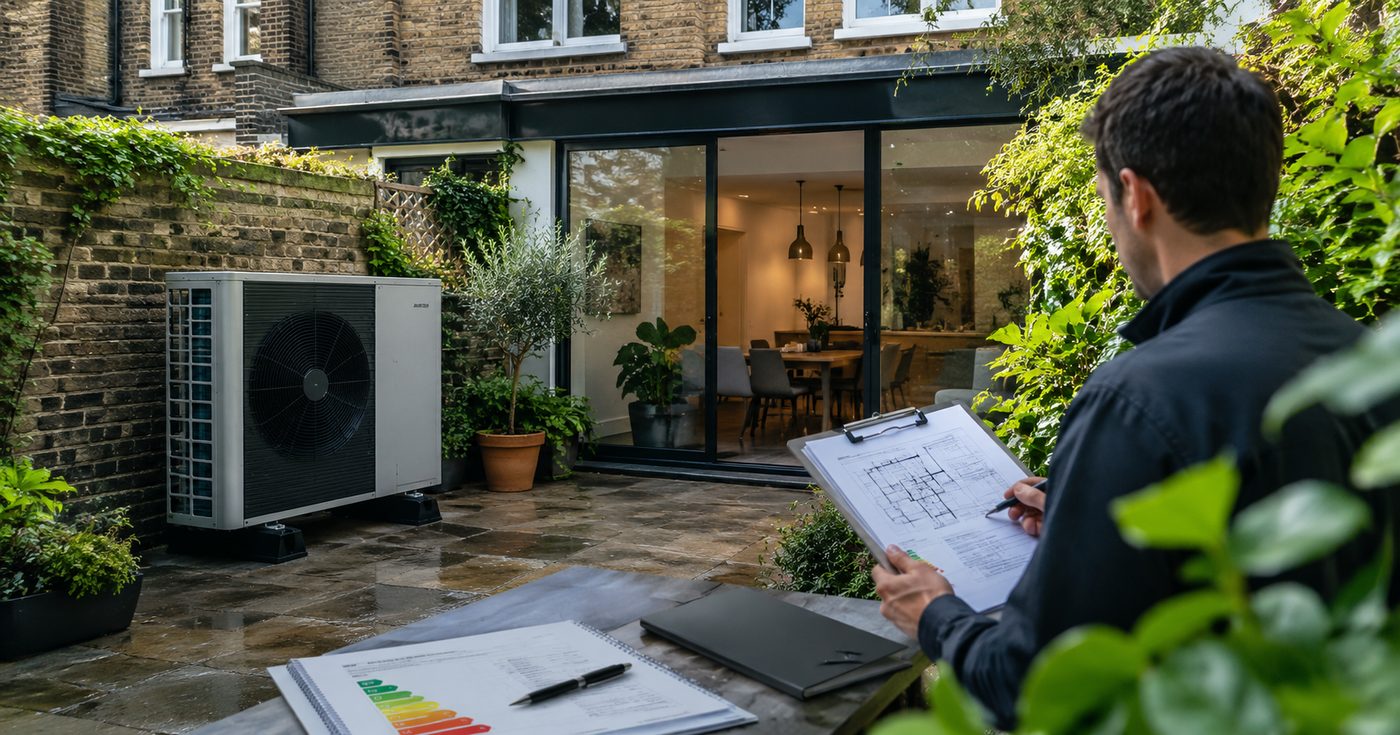
Many homeowners, landlords and property investors spend money on energy-efficiency improvements expecting a higher EPC rating, only to discover that the final certificate changes very little.
EPCRATE Services — Quick Links
This can be frustrating, especially when significant investment has been made.
In most cases, the problem is not that the improvement was ineffective. The issue is usually linked to upgrade priorities, supporting evidence, assessment methodology or the order in which improvements were completed.
This guide explains why some EPC upgrades have less impact than expected and how property owners can plan improvements more effectively.
Why EPC Improvements Do Not Always Deliver the Expected Results
One of the most common misconceptions is that every energy-efficiency improvement will automatically result in a significantly better EPC rating.
In reality, EPC assessments use approved methodologies that consider the whole property rather than individual upgrades in isolation. Our guide on how an EPC is calculated explains this in detail.
The impact of any improvement depends on:
- The property’s starting point.
- Existing building fabric.
- Heating systems.
- Available supporting evidence.
- Assessment methodology.
This means that the same improvement can have very different outcomes in different properties.
1. Prioritising the Wrong Improvements
Many property owners begin with upgrades that improve appearance or comfort but have a relatively limited influence on the overall EPC calculation.
Examples may include:
- Replacing windows before addressing insulation.
- Installing advanced controls while retaining an inefficient heating system.
- Adding renewable technologies before improving building fabric.
In many properties, insulation and heating performance remain key areas of consideration. Our guide on improving EPC ratings without overspending covers which measures tend to give the best value.
2. The Evidence Problem
One of the biggest reasons EPC improvements fail to appear on a certificate is the absence of suitable supporting evidence.
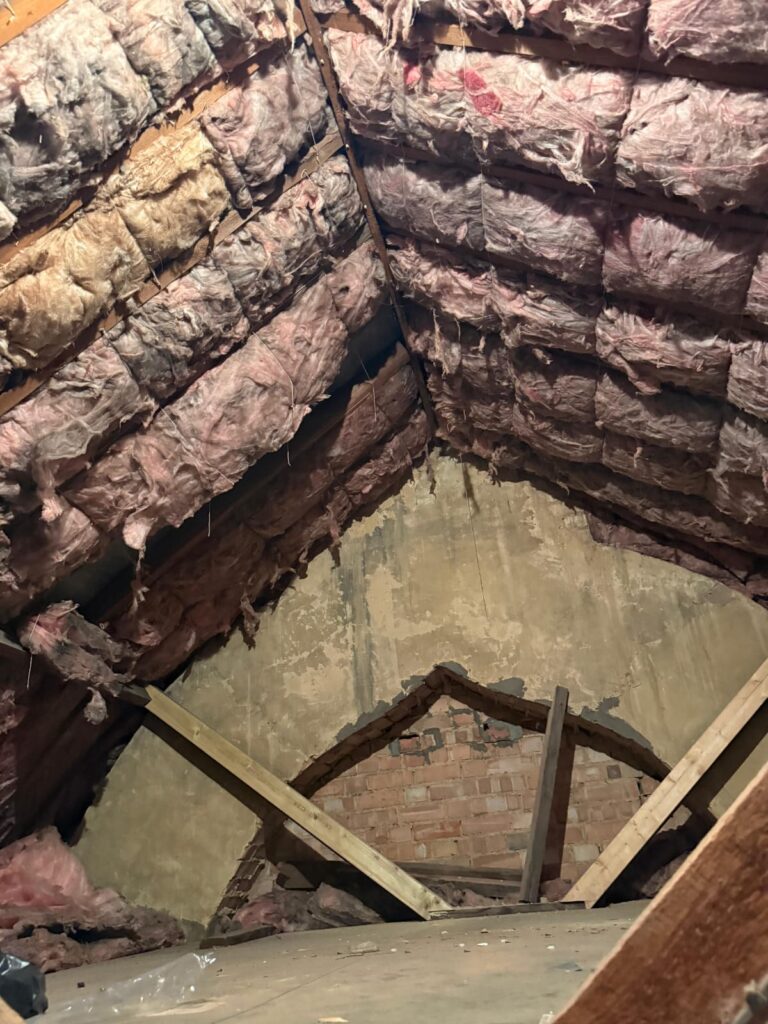
Many improvements become hidden once installed.
Examples include:
- Cavity wall insulation.
- Floor insulation.
- Internal wall insulation.
- Certain heating upgrades.
Where qualifying improvements cannot be evidenced, assessors may be required to apply default assumptions under approved conventions. For concealed measures such as floor or internal wall insulation, documentary evidence is typically needed — usually Building Control sign-off, or builder documentation and architect’s drawings with invoices as backup.
Useful Supporting Evidence
- Building Control approvals.
- FENSA certificates.
- Insulation certificates.
- MCS certificates.
- Architect drawings.
- Contractor documentation.
Providing suitable documentation can help ensure qualifying features are appropriately reflected where methodologies allow. See our guide to what evidence can improve EPC accuracy.
3. Heating Upgrades Are Not Always a Complete Solution
Replacing an older heating system may improve performance, but heating systems operate as part of a wider property ecosystem.
Factors that can influence overall outcomes include:
- Heating controls.
- Insulation levels.
- Hot water systems.
- Building fabric.
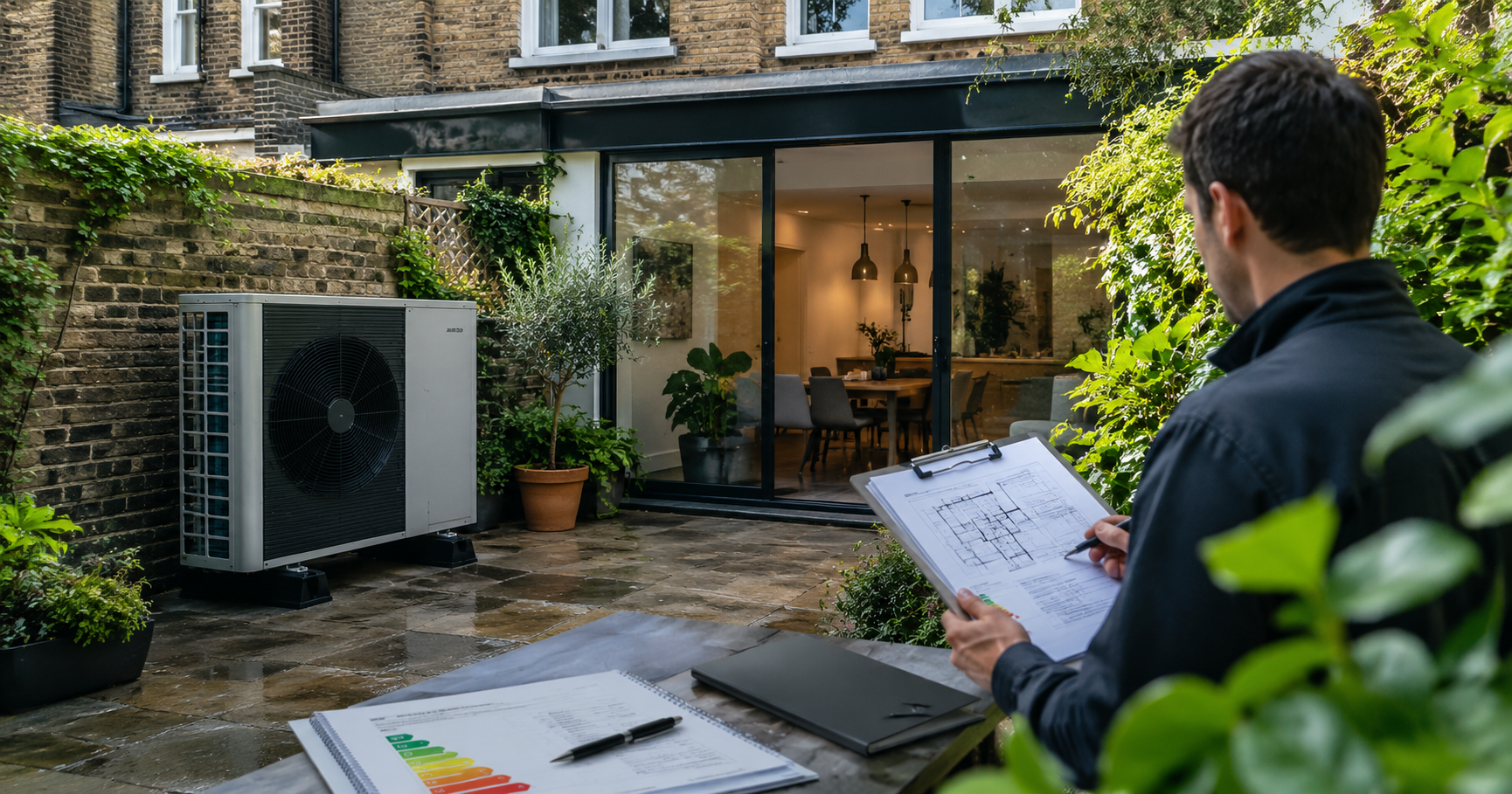
The effectiveness of a heating upgrade depends on the property as a whole rather than the heating appliance alone. If you are considering a heat pump, note that its efficiency is only accurately reflected where the specific model is listed for selection in the assessment software.
4. Why Window Upgrades Sometimes Deliver Modest EPC Improvements
Many homeowners expect double glazing to dramatically improve EPC ratings.
While glazing can contribute positively, the overall impact varies between properties. Our guide on how window U-values affect your EPC rating explains why.
Window upgrades may also provide benefits beyond the EPC calculation, including:
- Improved comfort.
- Reduced draughts.
- Noise reduction.
- Improved security.
The EPC impact depends on the wider building characteristics and existing performance.
5. Renewable Technologies Still Need the Right Foundations
Renewable technologies such as solar PV systems can contribute positively to EPC performance.
However, outcomes depend on numerous factors including:
- Property characteristics.
- Existing energy performance.
- Heating systems.
- Assessment methodology.
No renewable technology can guarantee a specific EPC rating outcome.
6. Small Improvements Are Helpful but Often Incremental
Measures such as:
- Draught-proofing.
- Low-energy lighting.
- Pipe insulation.
- Improved controls.
can contribute positively to overall energy performance.
However, they may not always result in significant rating changes when larger issues remain elsewhere in the property.
7. Occupant Behaviour Does Not Form Part of the EPC Rating
Many homeowners invest in technologies that help reduce energy consumption through behavioural change.
Examples include:
- Smart plugs.
- Energy-monitoring devices.
- Behaviour-based energy management systems.
While these may support energy savings, EPC assessments focus primarily on fixed property characteristics rather than day-to-day occupant behaviour.
How to Improve Your Chances of Success
Understand Your Starting Position
Before spending money, it is helpful to understand the current EPC position and the areas most likely to influence future assessments. Our guide on EPC improvement costs can help with budgeting.
Keep Records
Retain all documentation relating to qualifying improvements.
Plan Improvements Strategically
Consider the property as a whole rather than focusing on individual upgrades in isolation.
Review Before You Spend
Significant improvement budgets should ideally be supported by an informed assessment strategy.
How a Draft EPC Review Can Help
Many property owners spend thousands of pounds on improvements without fully understanding how those changes may influence EPC outcomes.
EPCRATE’s Draft EPC Review service can help:
- Review the current EPC position.
- Assess available supporting evidence.
- Explore potential improvement pathways.
- Support budgeting decisions.
- Reduce the risk of avoidable expenditure.
A Draft EPC Review does not guarantee a future EPC rating, compliance outcome, mortgage outcome or improvement result.
Why Choose EPCRATE?
- Founded in 2015 by Jinoy Jose, DEA accredited.
- NDEA-accredited assessors for commercial properties.
- Rated Excellent on Trustpilot.
- ★★★★★ Google Reviews.
- Coverage across all London boroughs.
- Domestic and Commercial EPC specialists.
- Draft EPC Review Service available.
- EPC & Floor Plan Bundles available.
- Greater London Energy Efficiency Awards – Commended 2024.
- Greater London Energy Efficiency Awards – Highly Commended 2025.
Frequently Asked Questions
Why didn’t my EPC rating improve after upgrades?⌄
Often because the improvement could not be evidenced, the wrong priorities were tackled first, or larger issues remain elsewhere in the property. The EPC assesses the whole property, not individual upgrades in isolation.
Does double glazing always improve an EPC rating?⌄
Not always significantly. Glazing helps, but the EPC impact varies by property and other factors such as walls, roof and heating usually carry more weight.
Why aren’t my improvements showing on the EPC?⌄
Concealed measures such as insulation often need documentary evidence. Without it, assessors may apply default assumptions, so the improvement may not be reflected.
Should I improve insulation or heating first?⌄
It depends on the property, but insulation and the building fabric are frequently a sensible starting point because heating systems perform best in a well-insulated property.
Can a Draft EPC Review help before I spend money?⌄
Yes. A Draft EPC Review can help you understand your starting position and plan improvements before committing significant expenditure, though it cannot guarantee a specific outcome.
Planning EPC Improvements in London?
EPCRATE provides Domestic EPCs, Draft EPC Reviews and Floor Plans across all 32 London boroughs. Next-day appointments are available from £59, with urgent same-day inspections from £90 (certificate issued on site) subject to availability.
Call 020 3488 4142 to discuss your property, or book your EPC assessment online.
Final Thoughts
Most EPC improvements fail not because the measures themselves are ineffective, but because they are implemented without understanding how the assessment methodology works.
By focusing on the right priorities, maintaining proper documentation and reviewing the property strategically, homeowners and landlords can make more informed decisions and reduce the risk of costly mistakes.


Written by Jinoy Jose
DEA Accredited Energy Assessor · EPCRATE, London · Founded 2015
Jinoy Jose is the founder of EPCRATE and an accredited Domestic Energy Assessor (DEA). He has carried out thousands of EPC assessments across all 32 London boroughs since 2015, with NDEA-accredited assessors at EPCRATE covering commercial properties.
Last updated: · About the author →