Energy Performance Certificates (EPCs) have been part of the UK property landscape for many years, helping homeowners, landlords, buyers and tenants understand the energy efficiency of buildings.
EPCRATE Services — Quick Links
However, as building technology evolves and the UK continues to pursue long-term energy efficiency and carbon reduction goals, questions are increasingly being asked about how EPCs may develop in the future.
While no one can predict exactly how future EPC systems will operate, there is growing discussion within the property, energy and retrofit sectors about potential improvements, digitalisation and modernisation.
This article explores some of the key challenges facing today’s EPC system and considers how future developments may improve the way building performance is measured and communicated.
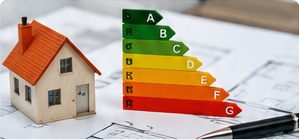
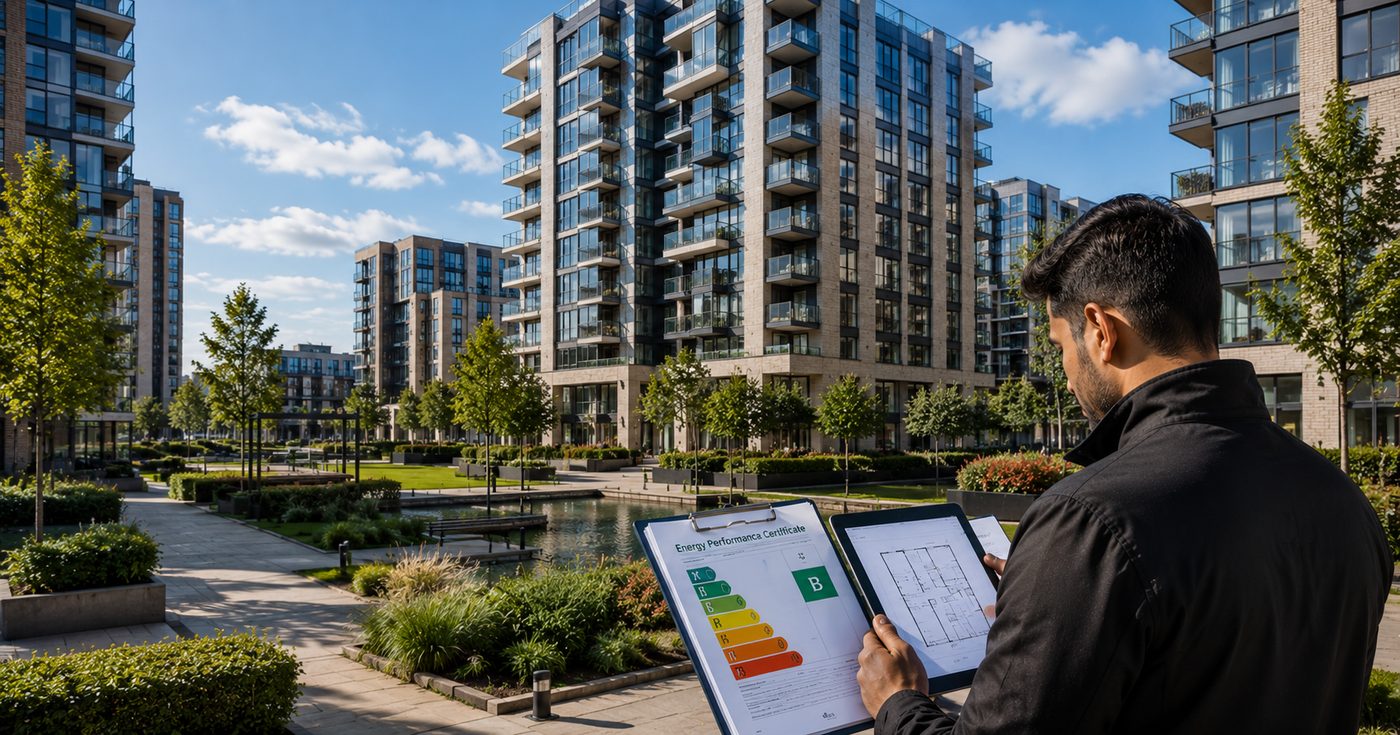
What Is the Purpose of an EPC?
An EPC provides a standardised assessment of a property’s energy performance using approved methodologies. To understand how the rating is produced, see our guide on how an EPC is calculated.
The certificate currently provides:
- Energy efficiency rating.
- Environmental impact information.
- Estimated energy costs.
- Recommended improvement measures.
The system allows properties to be compared using a common methodology.
Challenges Often Raised About Current EPCs
Although EPCs remain an important part of property transactions and compliance, several challenges are regularly discussed by industry professionals.
Common observations include:
- Assessments represent a snapshot in time.
- Property improvements may not always be reflected until reassessment.
- Occupant behaviour is not directly measured.
- Many property owners do not fully understand how EPCs are produced.
- Supporting evidence can significantly influence outcomes.
It is important to remember that EPCs were designed to provide a consistent comparison methodology rather than a perfect representation of real-world energy use.
Could EPCs Become More Digital?
One area frequently discussed within the sector is greater digital integration.
Future developments could potentially involve improved digital records relating to:
- Building upgrades.
- Heating systems.
- Renewable technologies.
- Building control approvals.
- Energy efficiency improvements.
Such developments could make it easier for property owners to demonstrate qualifying improvements during future assessments.
The Growing Importance of Building Information
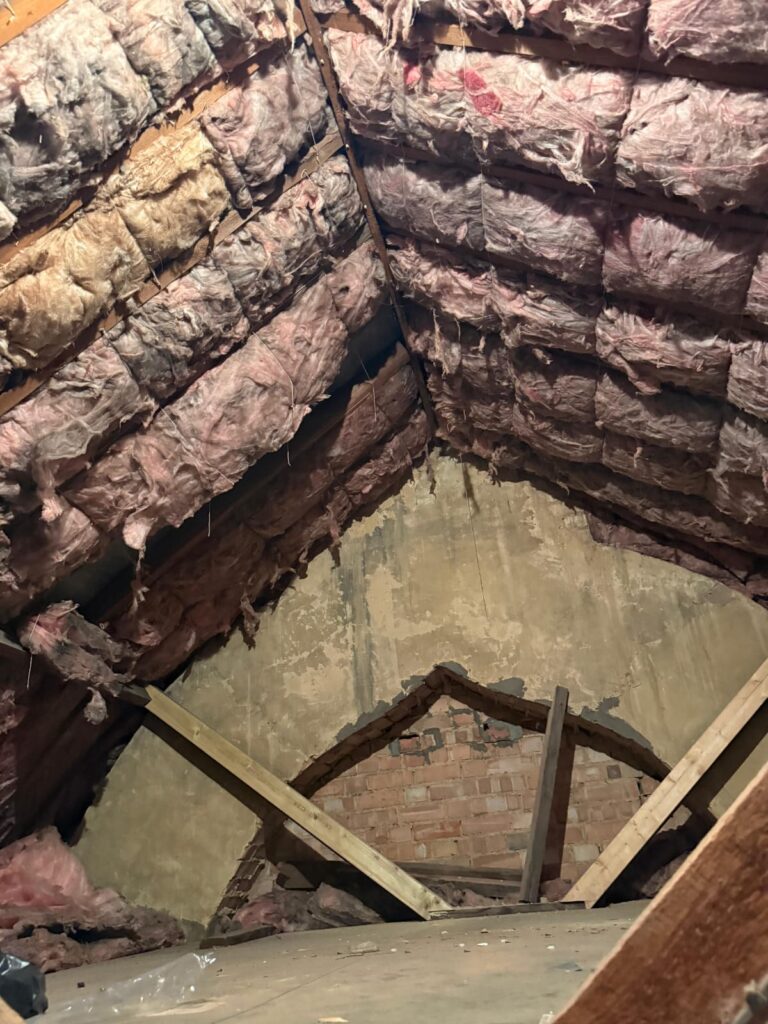
Many energy efficiency measures become hidden once installed.
Examples include:
- Floor insulation.
- Internal wall insulation.
- Cavity wall insulation.
- Heating upgrades.
This has led to growing discussion about improved building records and digital documentation systems that could help preserve evidence throughout the life of a property.
Could Future EPCs Place Greater Emphasis on Carbon?
Another topic frequently discussed across the industry is the balance between energy costs and carbon emissions.
As environmental targets continue to evolve, future assessment methodologies may continue to develop in how they present information relating to:
- Carbon emissions.
- Energy consumption.
- Renewable technologies.
- Building performance.
Any future changes would remain subject to government policy, legislation and methodology development.
Will Smart Technologies Play a Bigger Role?
Modern buildings increasingly include:
- Smart heating controls.
- Solar PV systems.
- Battery storage.
- Heat pumps.
- Building management systems.
- Electric vehicle charging infrastructure.
As building technology continues to evolve, assessment methodologies may continue adapting to recognise emerging technologies appropriately. For heat pumps, for example, the efficiency recorded depends on the specific model being listed for selection in the assessment software.
Why Accurate Evidence Will Remain Important
Regardless of how EPC methodologies develop, one principle is unlikely to change:
Evidence matters.
Property owners who maintain clear records of qualifying improvements are generally in a stronger position when demonstrating building performance.
Useful documentation may include:
- Building Control approvals.
- FENSA certificates.
- Insulation certificates.
- MCS certificates.
- Architect drawings and contractor invoices.
For concealed measures such as floor or internal wall insulation, documentary evidence is typically needed — usually Building Control sign-off, or builder documentation and architect’s drawings with invoices as backup. See our guide to what evidence can improve EPC accuracy.
What Property Owners Can Do Today
While future EPC reforms remain uncertain, property owners can take practical steps now.
- Keep records of improvements.
- Review EPC validity regularly.
- Understand current EPC performance.
- Plan future improvements strategically.
- Retain supporting evidence.
These actions can support future assessments regardless of how methodologies evolve.
How a Draft EPC Review Can Help
Many landlords, investors and homeowners use EPCRATE’s Draft EPC Review service when planning refurbishment projects or reviewing improvement opportunities.
This can help review:
- Current EPC position.
- Available evidence.
- Potential improvement pathways.
- Budget priorities.
A Draft EPC Review does not guarantee a future EPC rating, compliance outcome, mortgage outcome or improvement result.
Why Choose EPCRATE?
- Founded in 2015 by Jinoy Jose, DEA accredited.
- NDEA-accredited assessors for commercial properties.
- Rated Excellent on Trustpilot.
- ★★★★★ Google Reviews.
- Coverage across all London boroughs.
- Domestic and Commercial EPC specialists.
- Draft EPC Review Service available.
- EPC & Floor Plan Bundles available.
- Greater London Energy Efficiency Awards – Commended 2024.
- Greater London Energy Efficiency Awards – Highly Commended 2025.
Frequently Asked Questions
Are EPCs going to change in the future?⌄
Possibly. There is ongoing discussion across the property and energy sectors about modernising EPCs, but any changes would remain subject to government policy and legislation.
Will future EPCs place more emphasis on carbon?⌄
The balance between energy cost and carbon is regularly discussed in the industry. How information is presented may continue to develop, but specific changes are not yet confirmed.
How can property owners prepare for future EPC changes?⌄
The most practical steps are to keep clear records of improvements, retain supporting evidence and understand your current EPC position — these help regardless of how methodologies evolve.
Will smart technologies be better reflected in EPCs?⌄
Assessment methodologies may continue to adapt as building technology evolves. How specific technologies are recognised depends on the approved methodology in force at the time.
Why will evidence remain important?⌄
Because many improvements become hidden once installed. Documentation helps qualifying measures be reflected accurately, whatever form future EPCs take.
Need an EPC in London?
EPCRATE provides Domestic EPCs, Commercial EPCs, Floor Plans and Draft EPC Reviews across all 32 London boroughs. Next-day appointments are available from £59, with urgent same-day inspections from £90 (certificate issued on site) subject to availability.
Call 020 3488 4142 to discuss your property, or book your EPC assessment online.
Final Thoughts
EPCs continue to play an important role in the UK property market, but like many systems, they are likely to evolve over time.
Whether future developments involve enhanced digital records, greater recognition of emerging technologies or new ways of presenting building performance data, the overall objective is likely to remain the same: helping property owners better understand the energy performance of their buildings.
For now, maintaining accurate records, understanding your current EPC position and planning improvements strategically remain some of the most valuable steps any property owner can take.


Written by Jinoy Jose
DEA Accredited Energy Assessor · EPCRATE, London · Founded 2015
Jinoy Jose is the founder of EPCRATE and an accredited Domestic Energy Assessor (DEA). He has carried out thousands of EPC assessments across all 32 London boroughs since 2015, with NDEA-accredited assessors at EPCRATE covering commercial properties.
Last updated: · About the author →