London’s property market is unique. Across the capital, buyers, landlords and investors can choose between modern purpose-built apartments and flats created through the conversion of older buildings.
EPCRATE Services — Quick Links
🏢 Flat EPCs — from £59
Any London flat or apartment up to 3 bedrooms and under 90 sqm is £69 — or £59 for a studio or one-bedroom flat. Next-day across all 32 boroughs, certificate within 24 hours.
Book a Flat EPC →or call 020 3488 4142
From Victorian houses divided into multiple flats in Clapham and Islington to modern apartment towers in Canary Wharf and Nine Elms, these different property types often have very different characteristics.
One question frequently asked by property owners is:
“Do purpose-built flats and converted flats perform differently in EPC assessments?”
The answer depends on the property, its construction, available supporting evidence and the information available during the assessment process.
Founded in 2015 by Jinoy Jose, EPCRATE provides EPC assessments for flats, Floor Plans and Draft EPC reviews throughout London. Call 020 3488 4142 to book.
What Is a Purpose-Built Flat?
A purpose-built flat is a property originally designed and constructed as an apartment.
Examples include:
- Modern apartment blocks.
- Residential towers.
- New-build developments.
- Managed residential schemes.
- Purpose-built housing developments.
These buildings were designed from the outset for residential apartment living.
What Is a Converted Flat?
A converted flat is a property created by dividing an existing building into multiple residential units.
Examples include:
- Victorian house conversions.
- Edwardian property conversions.
- Georgian conversions.
- Former commercial buildings converted into apartments.
- Large period houses split into flats.
Many converted flats are located in some of London’s most desirable residential areas.
Construction Differences
One of the biggest differences between purpose-built and converted flats is the original construction of the building.
Purpose-built apartments often benefit from:
- Modern construction techniques.
- Contemporary insulation standards.
- Energy-efficient glazing.
- Modern heating infrastructure.
- Purpose-designed layouts.
Converted flats may have construction characteristics that reflect the age and history of the original building.
Every property should be assessed individually.
Do Converted Flats Always Have Lower EPC Ratings?
No.
Many property owners assume that converted flats automatically receive lower EPC ratings than modern apartments.
This is not necessarily the case.
The outcome of an EPC assessment depends on multiple factors including:
- Building construction.
- Heating systems.
- Insulation.
- Windows and glazing.
- Property layout.
- Available supporting evidence.
Each property is assessed using approved methodologies based on the information available at the time of inspection.
Why Supporting Evidence Is Particularly Important in Converted Flats
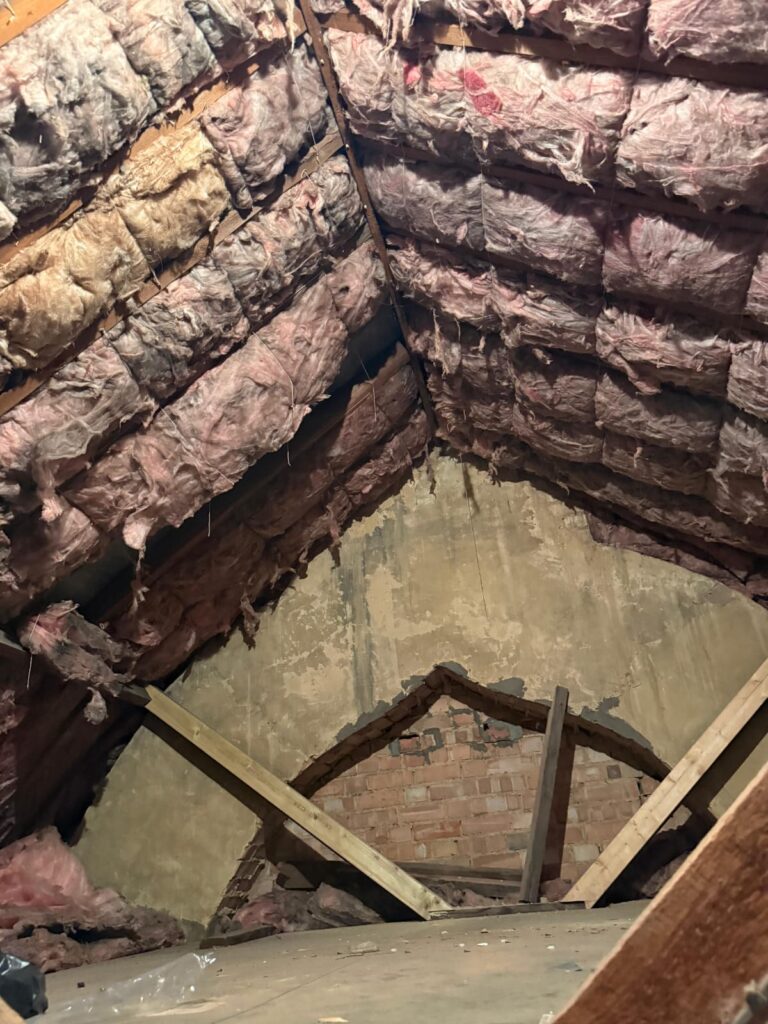
Many converted flats have undergone improvements over many years.
Examples may include:
- Loft insulation.
- Window replacement.
- Heating upgrades.
- Internal insulation works.
- Refurbishment projects.
Useful documentation may include:
- FENSA certificates.
- Building Control approvals.
- Insulation certificates.
- Heating installation records.
- Manufacturer specifications.
Suitable evidence may help ensure qualifying features are appropriately reflected where assessment methodologies and conventions allow. See our full guide to EPC evidence and documents.
Leasehold Considerations
Many purpose-built and converted flats are leasehold properties.
This can create additional considerations because owners may have limited control over:
- External walls.
- Roof structures.
- Communal systems.
- Building-wide improvements.
These factors may influence future energy efficiency planning.
Why Consider a Draft EPC Before Renovating a Converted Flat?
Converted flats often present unique challenges due to their age, construction and previous alterations.
A Draft EPC review can help property owners:
- Review current energy performance.
- Identify relevant supporting evidence.
- Explore potential improvement pathways.
- Support refurbishment planning.
- Assist with budgeting decisions.
For example, a landlord planning a refurbishment of a Victorian conversion may wish to better understand the property’s current position before committing significant expenditure.
A Draft EPC can support this planning process.
However, a Draft EPC does not guarantee a particular EPC rating, compliance outcome or improvement result.
Final EPC ratings depend on the property’s characteristics, supporting evidence, assessment methodology and information available at the time of the official assessment.
Purpose-Built Flats and New Developments
Many modern apartment developments across London include:
- Contemporary insulation systems.
- Modern heating technologies.
- Energy-efficient glazing.
- Communal heating infrastructure.
- Renewable technologies.
Property owners should retain all relevant documentation relating to these systems wherever possible.
Mortgages, Remortgages and Property Sales
Whether a flat is purpose-built or converted, property owners frequently review EPC status when:
- Selling a property.
- Purchasing an apartment.
- Applying for a mortgage.
- Applying for a remortgage.
- Completing refurbishment works.
Where significant improvements have been completed, owners may choose to commission a new EPC to obtain a more current assessment.
Why Choose EPCRATE?
- Founded in 2015 by Jinoy Jose.
- DEA Accredited.
- Rated Excellent on Trustpilot.
- ★★★★★ Google Reviews.
- Coverage across all 32 London boroughs.
- Only London provider offering a Draft EPC service.
- Domestic and Commercial EPC specialists.
- EPC + Floor Plan bundles available.
- Greater London Energy Efficiency Awards – Commended 2024.
- Greater London Energy Efficiency Awards – Highly Commended 2025.
Frequently Asked Questions
Are purpose-built flats more energy efficient than converted flats?⌄
Not necessarily. Every property is assessed individually based on its characteristics and available information.
Do converted flats need EPCs?⌄
Yes. Converted flats generally require a valid EPC when marketed for sale or rent.
Can supporting evidence affect EPC assessments?⌄
Suitable evidence may help ensure qualifying features are appropriately reflected where assessment methodologies and conventions allow.
Can a Draft EPC help before renovating a converted flat?⌄
Many landlords and property owners find Draft EPC reviews useful when planning refurbishment projects.
Can a Draft EPC guarantee a higher EPC rating?⌄
No. A Draft EPC supports planning and decision-making but cannot guarantee any particular outcome.
Need an EPC for a purpose-built or converted flat? Call EPCRATE on 020 3488 4142 — same-day appointments available where possible.
| Service | Price |
|---|---|
| 1 Bedroom EPC | £59 |
| 2 Bedroom EPC | £69 |
| 3 Bedroom EPC | £79 |
| EPC + Floor Plan Bundle | £118 |
EPC for flats across London
Flat EPCs are £69 for any London flat up to three bedrooms, or £59 for a studio or one-bedroom flat. Explore flat EPC services nearby:
- EPC for Flats in London (from £59)
- Battersea & Nine Elms flats
- Canary Wharf flats
- City of London flats
- Docklands flats
- Elephant & Castle flats
- Greenwich flats
- Shoreditch flats
- Stratford flats


Written by Jinoy Jose
DEA Accredited Energy Assessor · EPCRATE, London · Founded 2015
Jinoy Jose is the founder of EPCRATE and an accredited Domestic Energy Assessor (DEA). He has carried out thousands of EPC assessments across all 32 London boroughs since 2015, with NDEA-accredited assessors at EPCRATE covering commercial properties.
Last updated: · About the author →