
Ask any assessor what decides an EPC and you’ll get the same answer: the fabric. Boilers and lighting matter, but the walls, roof, floors and windows — the thermal envelope — carry the most weight in the calculation, because they decide how fast the home loses heat in the first place. Here’s how each element is scored, from the person filling in the software.
EPCRATE Services — Quick Links
What is building fabric in an EPC assessment?
Everything fixed that separates inside from outside: external walls, floors and roofs, windows and glazing, external doors and draught barriers. A well-insulated, airtight envelope means the property needs less energy to stay warm — which is, in one sentence, what an EPC measures.
Which insulation matters most for my EPC rating?
Wall insulation
Walls are the biggest surface, so they carry the biggest weighting. Cavity wall insulation makes a substantial difference where it can be verified; solid wall insulation (internal or external) can move an older home’s band outright — which matters in London, where so much of the stock is solid-wall Victorian and Edwardian terrace. The catch I see weekly: insulation that exists but can’t be evidenced gets assessed as if it weren’t there — see our guide on assumed values.
Roof and loft insulation
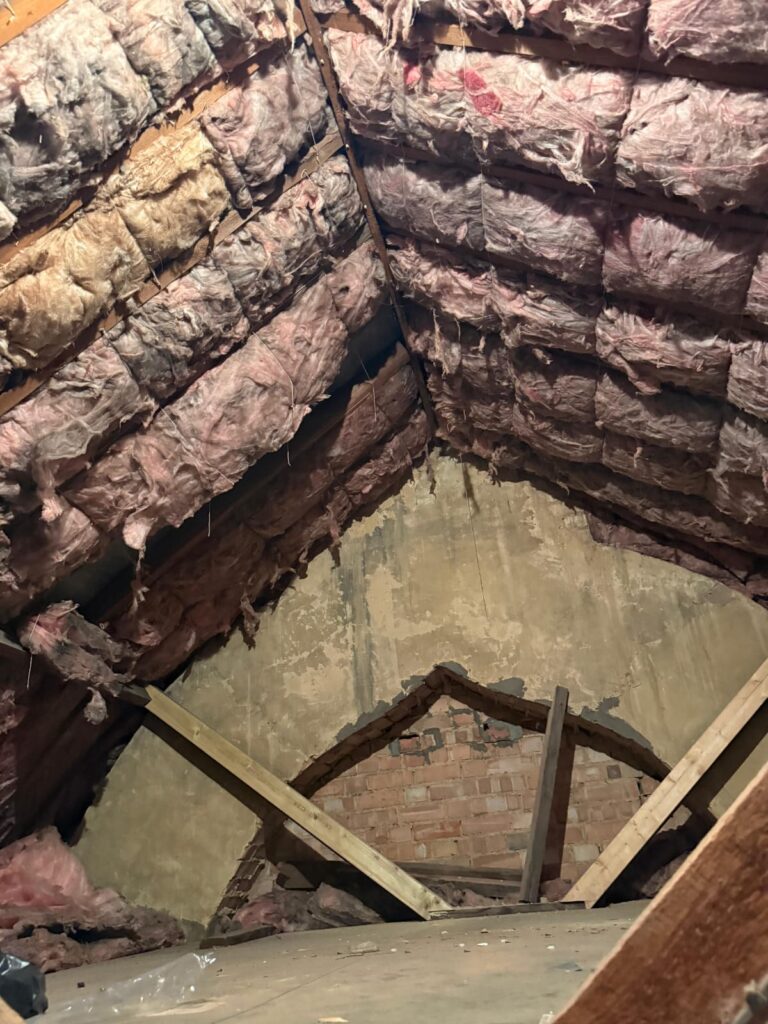
The quickest, cheapest fabric win in most homes. The standard reference is 270mm of mineral wool, uncompressed and continuous — and yes, badly installed loft boarding can undo it.
Windows and glazing
Double or triple glazing cuts heat transfer and draughts. Keep the FENSA certificates — glazing of unknown age falls back to cautious assumptions.
Floor insulation and draught-proofing
Smaller effect per pound than the loft, but suspended timber floors in older terraces are a real heat-loss path, and draught-proofing is among the cheapest improvements listed on any certificate.
How is the fabric actually scored?
During the assessment I record the construction type, the insulation that’s present and verifiable, and the specifications of windows and doors. The software assigns U-values — heat-transfer rates — to each element, from evidence where it exists and from age-based defaults where it doesn’t. Those U-values feed the SAP/RdSAP calculation of the property’s energy demand, which sets the final A–G band. Two identical houses can score differently on paperwork alone.
Which fabric upgrade gives the best EPC return?
The assessor’s usual order for a typical older London home: evidence first (free rating points if insulation exists but isn’t documented), then loft top-up, then wall insulation where the construction allows, then glazing when windows are due for replacement anyway. But the right order is property-specific — a Draft EPC models your actual home and shows which improvement moves the band per pound spent, and our EPC+ recommendations service turns that into a plan.
Insulation and EPC — quick answers
What adds the most points to an EPC rating?
For most older homes: wall insulation, then loft insulation — but verified evidence of existing measures often lifts a rating before any work is done.
Does the assessor check inside my walls?
No — assessment is non-invasive. Wall insulation is recorded from what can be seen (drill patterns, cavity width at openings) and from documentation like CIGA certificates.
Why do two similar houses get different EPC bands?
Usually evidence: one owner could prove their insulation, boiler and glazing; the other’s assessment fell back to age-based defaults.
Want the fabric of your home assessed properly? Book online or call 020 3488 4142 — from £59, all 32 London boroughs. ★★★★★ on Google Reviews and rated Excellent on Trustpilot.
Related: floor insulation and EPC ratings: myths vs actual impact.


Written by Jinoy Jose
DEA Accredited Energy Assessor · EPCRATE, London · Founded 2015
Jinoy Jose is the founder of EPCRATE and an accredited Domestic Energy Assessor (DEA). He has carried out thousands of EPC assessments across all 32 London boroughs since 2015, with NDEA-accredited assessors at EPCRATE covering commercial properties.
Last updated: · About the author →