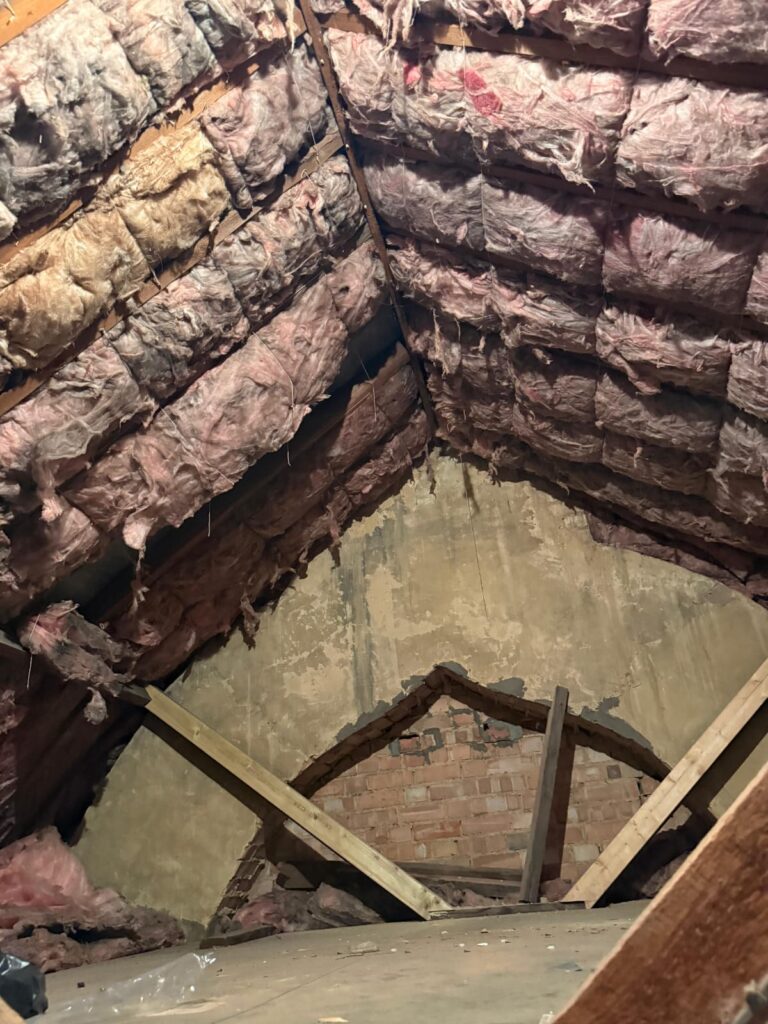

Property investors spend significant time reviewing location, rental demand, refurbishment costs and potential returns before purchasing an investment property. However, one area that is often overlooked during due diligence is the property’s Energy Performance Certificate (EPC) position.
EPCRATE Services — Quick Links
Whether you are purchasing a buy-to-let flat, a refurbishment project, a mixed-use building or an auction property, understanding the property’s energy performance before completing a purchase can help support more informed investment decisions.
Founded in 2015 by Jinoy Jose, EPCRATE provides EPC assessments, Commercial EPCs, Floor Plans and Draft EPC reviews throughout London, helping investors understand property energy performance before committing capital. Call 020 3488 4142 to discuss a purchase.
Why EPCs Matter to Property Investors
Many investors focus on:
- Purchase price.
- Rental yield.
- Location.
- Capital growth potential.
- Refurbishment opportunities.
While these are important, understanding a property’s energy performance can also form part of a broader due diligence process.
An EPC provides information regarding:
- Current energy efficiency rating.
- Potential future rating.
- Energy performance information.
- Carbon emissions data.
- Improvement recommendations.
Check Whether a Valid EPC Already Exists
Before purchasing a property, investors should establish whether a valid EPC is already available.
A domestic EPC generally remains valid for 10 years from the date of issue.
Reviewing an existing certificate can provide useful information about the property’s current energy profile.
Review the Property’s Current EPC Rating
The EPC rating provides an indication of the property’s energy performance at the time of assessment.
Properties are rated from Band A (most energy efficient) to Band G (least energy efficient).
Understanding the current rating may help investors identify areas requiring further investigation. Properties towards the lower end of the scale are covered in our guide to buying a property with a low EPC rating.
Look Beyond the EPC Score
Many investors focus only on the final EPC rating.
However, it is equally important to understand:
- Property construction.
- Heating systems.
- Insulation.
- Glazing.
- Available supporting evidence.
- Future refurbishment plans.
The EPC score alone does not tell the full story.
Victorian and Period Properties Require Careful Review
London contains a large number of:
- Victorian terraces.
- Edwardian homes.
- Georgian buildings.
- Converted period flats.
These properties can present unique opportunities and challenges.
Investors considering period buildings often benefit from understanding the property’s construction characteristics before undertaking major improvements.
Buy-to-Let Investors Should Review Future Plans
Many buy-to-let investors intend to hold properties for several years.
When assessing an investment, it may be useful to consider:
- Long-term ownership goals.
- Refurbishment plans.
- Supporting documentation.
- Property condition.
- Future improvement opportunities.
Understanding the property’s current position can help support planning decisions.
Auction Properties and Refurbishment Projects
Auction purchases and refurbishment projects often require careful due diligence.
Investors frequently encounter properties that:
- Require modernisation.
- Need refurbishment.
- Have incomplete documentation.
- Contain older heating systems.
- Have unknown insulation history.
Before committing significant expenditure, understanding the property’s current position can be valuable.
Why Supporting Evidence Matters
Supporting documentation can play an important role during EPC assessments.
Examples may include:
- Insulation certificates.
- FENSA certificates.
- Building Control approvals.
- Heating installation records.
- MCS certificates.
- Manufacturer specifications.
Suitable evidence may help ensure qualifying features are appropriately reflected where assessment methodologies and conventions allow.
Why Consider a Draft EPC Before Buying?
Many investors spend substantial amounts on refurbishment works after purchasing a property.
A Draft EPC review can help investors better understand a property’s current position before committing to future expenditure.
A Draft EPC may help:
- Review current energy performance.
- Identify relevant supporting evidence.
- Explore potential improvement pathways.
- Support budgeting decisions.
- Assist with refurbishment planning.
- Reduce the risk of unnecessary expenditure.
For example, an investor purchasing a Victorian conversion may wish to better understand the property’s energy profile before allocating a refurbishment budget.
A Draft EPC can support this planning process.
However, a Draft EPC does not guarantee a particular EPC rating, compliance outcome or improvement result.
Final EPC ratings depend on the property’s characteristics, supporting evidence, assessment methodology and information available at the time of the official assessment.
Mortgage and Remortgage Considerations
Many investors review EPC status when:
- Applying for investment finance.
- Refinancing a property.
- Releasing equity.
- Preparing a property for sale.
- Completing refurbishment works.
Where significant improvements have been completed, investors may choose to commission a new EPC to obtain a more current assessment.
Commercial Property Investors
Investors purchasing commercial premises should also consider energy performance as part of their due diligence process.
This may include:
- Office buildings.
- Retail units.
- Restaurants.
- Warehouses.
- Mixed-use properties.
Commercial EPC requirements differ from residential assessments and should be reviewed separately.
Why Choose EPCRATE?
- Founded in 2015 by Jinoy Jose.
- DEA Accredited.
- Rated Excellent on Trustpilot.
- ★★★★★ Google Reviews.
- Coverage across all 32 London boroughs.
- Only London provider offering a Draft EPC service.
- Domestic and Commercial EPC specialists.
- EPC + Floor Plan bundles available.
- Greater London Energy Efficiency Awards – Commended 2024.
- Greater London Energy Efficiency Awards – Highly Commended 2025.
Frequently Asked Questions
Should property investors check EPCs before buying?⌄
Many investors consider EPC information as part of their wider due diligence process before purchasing a property.
Can a Draft EPC help before buying an investment property?⌄
A Draft EPC may help investors better understand a property’s current position and potential improvement pathways before committing expenditure.
Can a Draft EPC guarantee a future EPC rating?⌄
No. A Draft EPC supports planning and decision-making but cannot guarantee any specific outcome.
Do commercial properties require EPCs?⌄
Many commercial properties require EPCs when sold or leased, although requirements vary depending on the property and circumstances.
Should investors keep supporting documentation?⌄
Yes. Maintaining relevant certificates and records may be beneficial for future EPC assessments and property management.
Reviewing an investment purchase? Call EPCRATE on 020 3488 4142 to discuss EPC due diligence and Draft EPC reviews.
| Service | Price |
|---|---|
| 1 Bedroom EPC | £59 |
| 2 Bedroom EPC | £69 |
| 3 Bedroom EPC | £79 |
| EPC + Floor Plan Bundle | £118 |


Written by Jinoy Jose
DEA Accredited Energy Assessor · EPCRATE, London · Founded 2015
Jinoy Jose is the founder of EPCRATE and an accredited Domestic Energy Assessor (DEA). He has carried out thousands of EPC assessments across all 32 London boroughs since 2015, with NDEA-accredited assessors at EPCRATE covering commercial properties.
Last updated: · About the author →