
Many property investors, landlords and homebuyers encounter properties with low Energy Performance Certificate (EPC) ratings during their search.
EPCRATE Services — Quick Links
While some buyers immediately dismiss these properties, others see potential opportunities for refurbishment, value creation and long-term investment growth.
However, before purchasing a property with a low EPC rating, it is important to understand what the rating means, what factors may have contributed to it and what information should be reviewed before making a decision.
Founded in 2015 by Jinoy Jose, EPCRATE provides EPC assessments, Commercial EPCs, Floor Plans and Draft EPC reviews throughout London, helping property owners and investors make informed property decisions. Call 020 3488 4142 to speak with our team.
What Is Considered a Low EPC Rating?
EPC ratings range from Band A (most energy efficient) to Band G (least energy efficient).
Many buyers become concerned when they see properties rated E, F or G.
However, the EPC rating should be viewed as one part of the overall property assessment rather than the only factor influencing a purchasing decision. Our poor EPC rating guide explains what F and G ratings mean in practice, including the rules affecting rental properties.
Why Do Some Properties Have Low EPC Ratings?
There are many reasons why a property may receive a lower EPC rating.
Examples include:
- Older construction methods.
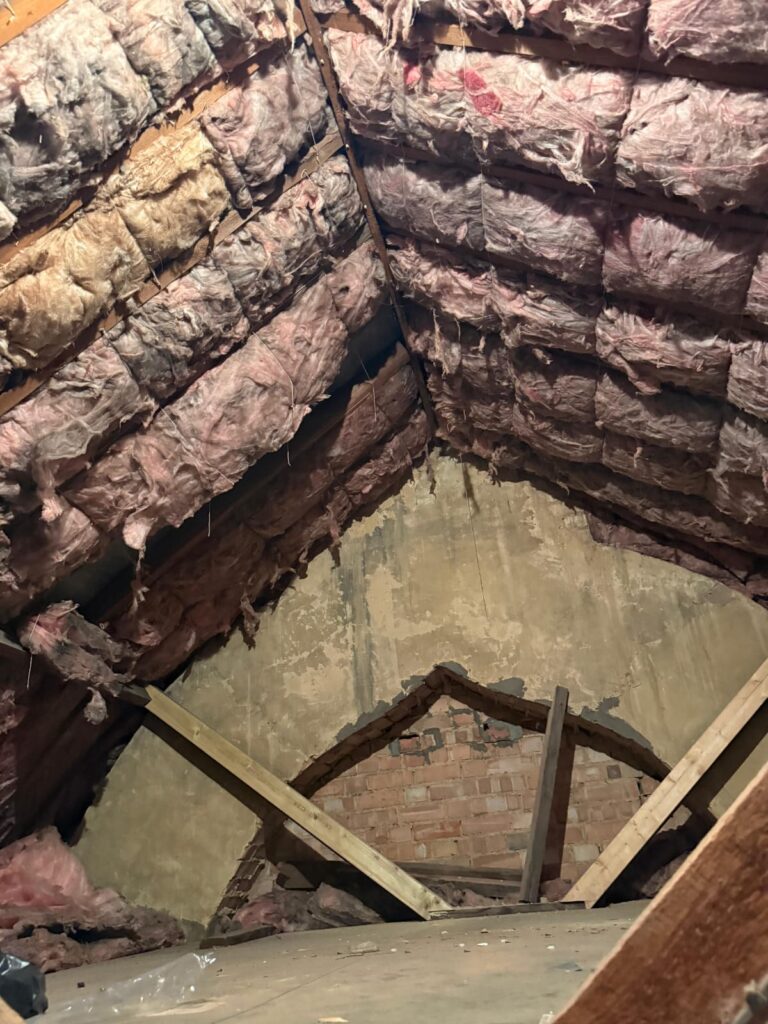
- Limited insulation.
- Older heating systems.
- Single glazing.
- Lack of supporting evidence.
- Historic building characteristics.
Many period properties across London naturally differ from modern developments in terms of construction and energy performance.
Low EPC Properties Can Present Opportunities
A lower EPC rating does not automatically mean a property is a poor investment.
Many investors specifically target:
- Refurbishment projects.
- Auction properties.
- Period homes.
- Victorian conversions.
- Buy-to-let opportunities.
These properties may offer opportunities for renovation and long-term value creation.
However, every property should be assessed individually.
Look Beyond the EPC Score
One of the biggest mistakes buyers make is focusing only on the EPC band.
It is often more useful to review:
- Property construction.
- Heating systems.
- Insulation.
- Windows and glazing.
- Available supporting evidence.
- Overall condition of the building.
The EPC score itself does not tell the entire story.
Period Properties Require Careful Assessment
London contains a large number of:
- Victorian houses.
- Edwardian properties.
- Georgian buildings.
- Converted flats.
Many of these properties remain highly desirable despite having characteristics that differ from modern buildings.
Buyers should always consider the property’s overall condition and investment objectives.
What Evidence Is Available?
Before purchasing a property, it may be useful to establish whether documentation exists relating to previous improvements.
Examples may include:
- Insulation certificates.
- FENSA certificates.
- Building Control approvals.
- Completion certificate.
- Renewable technology certificates.
Suitable supporting evidence may be relevant during future EPC assessments.
Buying a Buy-to-Let Property With a Low EPC Rating
Many landlords purchase properties that require improvement works.
Before committing to a purchase, it may be useful to consider:
- Property condition.
- Refurbishment costs.
- Long-term investment goals.
- Available documentation.
- Future improvement opportunities.
Understanding the property’s current position can support better investment planning.
Auction Properties and Low EPC Ratings
Auction properties often attract investors because they may offer refurbishment potential.
However, investors should carefully review:
- The EPC rating.
- Property condition.
- Available supporting evidence.
- Refurbishment requirements.
- Budget assumptions.
Thorough due diligence remains essential.
Why Consider a Draft EPC Before Buying?
Many investors purchase properties intending to carry out improvements shortly after completion.
A Draft EPC review can help buyers better understand the property’s current position before committing to significant expenditure.
A Draft EPC may help:
- Review current energy performance.
- Identify supporting evidence.
- Explore potential improvement pathways.
- Support refurbishment planning.
- Assist with budgeting decisions.
- Reduce the risk of unnecessary expenditure.
For example, an investor considering a low-rated Victorian property may wish to understand potential improvement options before allocating a renovation budget.
A Draft EPC can support this planning process.
However, a Draft EPC does not guarantee a particular EPC rating, compliance outcome or improvement result.
Final EPC ratings depend on the property’s characteristics, supporting evidence, assessment methodology and information available at the time of the official assessment.
Can a Higher EPC Rating Help With Mortgages and Remortgages?
Some mortgage lenders now offer Green Mortgage products that may provide benefits for properties with strong EPC ratings.
Depending on the lender and product available at the time of application, potential benefits may include:
- Access to Green Mortgage products.
- Potentially lower interest rates.
- Cashback incentives.
- Additional borrowing options for energy improvements.
- Improved affordability assessments based on lower energy costs.
Eligibility criteria vary between lenders and products, and many Green Mortgage products focus on properties achieving EPC ratings within the higher bands. No EPC rating guarantees acceptance for any mortgage product.
Why Choose EPCRATE?
- Founded in 2015 by Jinoy Jose.
- DEA Accredited.
- Rated Excellent on Trustpilot.
- ★★★★★ Google Reviews.
- Coverage across all 32 London boroughs.
- Only London provider offering a Draft EPC service.
- Domestic and Commercial EPC specialists.
- EPC + Floor Plan bundles available.
- Greater London Energy Efficiency Awards – Commended 2024.
- Greater London Energy Efficiency Awards – Highly Commended 2025.
Frequently Asked Questions
Should I avoid buying a property with a low EPC rating?⌄
Not necessarily. Many low-rated properties present opportunities, but each property should be assessed individually.
Can a low EPC property still be a good investment?⌄
Many investors successfully purchase and renovate properties with lower EPC ratings, depending on their objectives and due diligence.
Can a Draft EPC help before purchasing a property?⌄
Many buyers and investors use Draft EPC reviews to better understand a property’s current position before planning improvements.
Can a Draft EPC guarantee a future EPC rating?⌄
No. A Draft EPC supports planning and decision-making but cannot guarantee any specific outcome.
Should I review supporting documentation before buying?⌄
Yes. Existing certificates and records may provide useful information about previous improvements and future planning opportunities.
Considering a low-rated property? Call EPCRATE on 020 3488 4142 to discuss a Draft EPC review before you commit.
| Service | Price |
|---|---|
| 1 Bedroom EPC | £59 |
| 2 Bedroom EPC | £69 |
| 3 Bedroom EPC | £79 |
| EPC + Floor Plan Bundle | £118 |


Written by Jinoy Jose
DEA Accredited Energy Assessor · EPCRATE, London · Founded 2015
Jinoy Jose is the founder of EPCRATE and an accredited Domestic Energy Assessor (DEA). He has carried out thousands of EPC assessments across all 32 London boroughs since 2015, with NDEA-accredited assessors at EPCRATE covering commercial properties.
Last updated: · About the author →