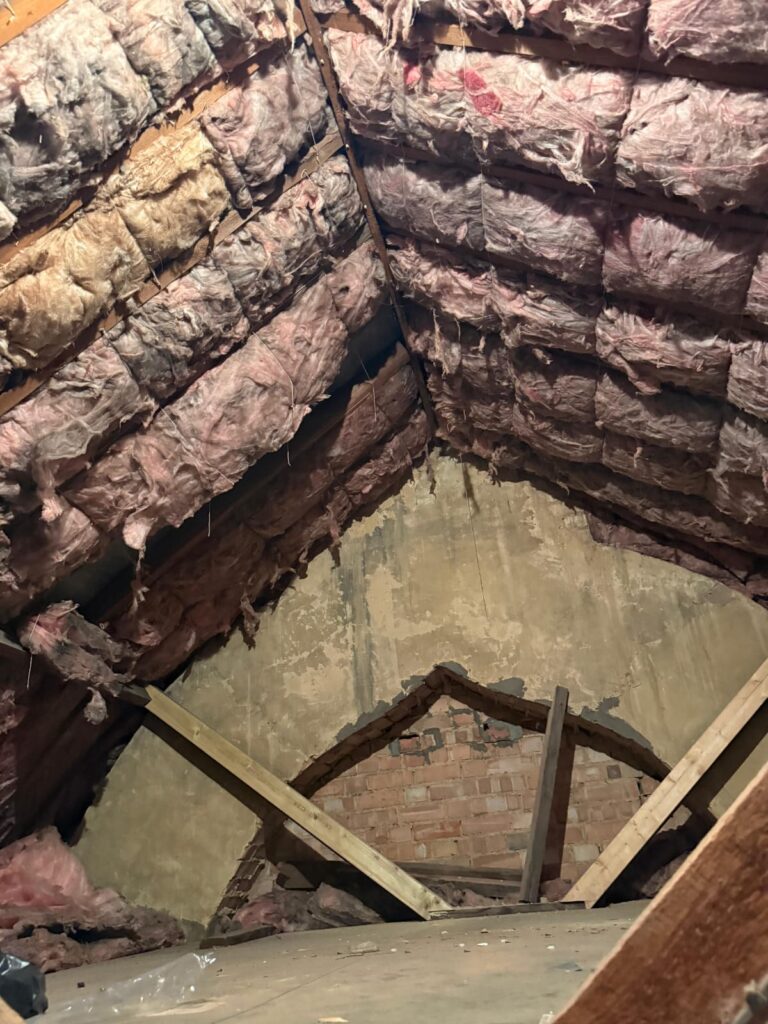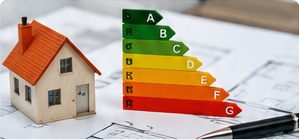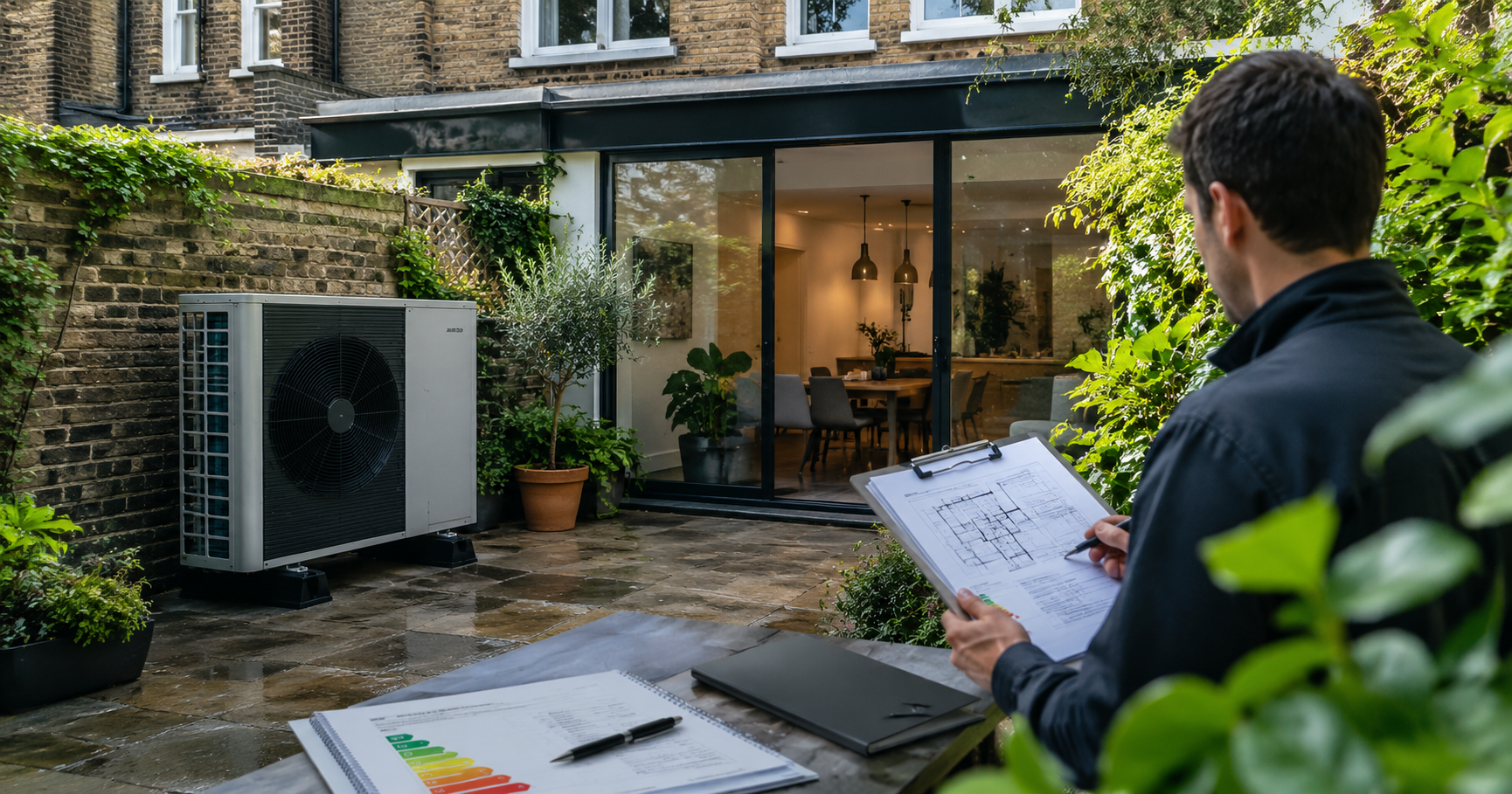
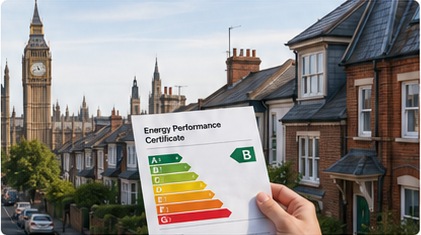
Loft boarding is one of those improvements that feels like a pure win — extra storage, no extension, weekend job. Then I turn up to do the EPC, lift the hatch, and find 270mm of insulation squashed to 100mm under a neat deck of chipboard. The owner is usually baffled when I explain their storage project has quietly damaged their rating. Here’s why it happens and how to board a loft without paying for it on your certificate.
EPCRATE Services — Quick Links
Why does loft insulation matter so much in an EPC?
Roof insulation is one of the most heavily weighted elements in a domestic (RdSAP) assessment, because an uninsulated roof leaks a substantial share of a home’s heat. When I assess a loft, I’m recording the insulation’s depth and condition — whether it’s continuous, whether it’s compressed, and whether boarding or downlights have compromised it.
What’s the problem with boarding straight over insulation?
Insulation works by trapping air in its full loft — squash it and you lose most of the benefit. Mineral wool at its standard 270mm performs as designed; the same material compressed to a third of that under boards performs like a fraction of it. The mistakes I see repeatedly:
- Boards laid directly on the joists, compressing the insulation between them
- Insulation deliberately flattened — or worse, removed — to create a level storage deck
- Gaps left uninsulated around the loft hatch and downlights
How does compressed insulation affect the EPC score?
Here’s the assessor’s-eye view: I have to record what the insulation is actually doing, not what was originally installed. If 270mm of mineral wool is compressed to 100mm under boarding, it gets recorded at its effective performance — and the software recalculates the roof’s heat loss accordingly. The result can be a lower band, weaker market appeal, and for landlords a potential MEES compliance problem if the property was already near the band E line.
How do I board a loft without hurting my EPC?
Raise the deck on loft legs
Plastic loft legs or a raised timber frame lift the boards above the full insulation depth, so nothing gets squashed. This is the single change that fixes most cases.
Keep the ventilation paths clear
Boarding must not block the air gaps at the eaves or soffit vents — a sealed, unventilated loft grows condensation and mould, which brings its own problems.
Insulate and draught-proof the hatch
A bare hatch is a small thing assessors notice every time. Insulate the back of it and fit draught strips.
Get it installed properly
Professional installers who work with raised-deck systems understand thermal bridging and moisture; a rushed DIY deck usually doesn’t.
Already boarded — what should I do before an assessment?
Don’t rip anything out on my account. If your boarding is on raised legs, tell the assessor and let them see it — that’s the difference between full-depth and compressed insulation being recorded. If it isn’t raised, it may be worth converting the deck before your next EPC, especially if you’re selling or your rental is near band E. Unsure how much it matters for your specific property? A Draft EPC can model it, or see our guide to hidden factors that drag ratings down.
Loft boarding and EPCs — quick answers
Does loft boarding lower an EPC rating?
Only when boards compress or replace the insulation. Boarding raised on loft legs above full-depth insulation doesn’t hurt the rating.
What insulation depth do assessors look for?
270mm of mineral wool is the standard reference for lofts. What matters is the effective, uncompressed depth on the day of assessment.
Should I remove loft boarding before an EPC assessment?
No — but make the loft accessible and tell the assessor how the boarding is installed, so the insulation underneath is recorded correctly.
Booking an assessment or planning loft work first? Book online or call 020 3488 4142 — from £59, all 32 London boroughs. Rated ★★★★★ on Google Reviews and rated Excellent on Trustpilot.


Written by Jinoy Jose
DEA Accredited Energy Assessor · EPCRATE, London · Founded 2015
Jinoy Jose is the founder of EPCRATE and an accredited Domestic Energy Assessor (DEA). He has carried out thousands of EPC assessments across all 32 London boroughs since 2015, with NDEA-accredited assessors at EPCRATE covering commercial properties.
Last updated: · About the author →