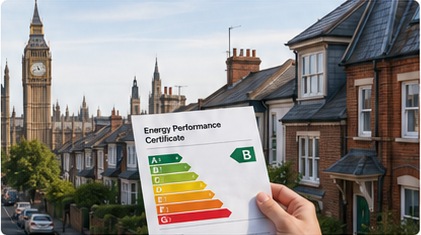
“Why is my EPC rating so low? The house is well insulated!” — if I had a pound for every time an owner said that as I handed over a certificate. Here’s the uncomfortable truth from someone who lodges EPCs across London every week: it’s usually not the building that scores badly. It’s what I could and couldn’t evidence on the day. These are the five hidden factors that drag ratings down — and what to do about each.
EPCRATE Services — Quick Links
1. Why does missing insulation evidence lower my EPC rating?
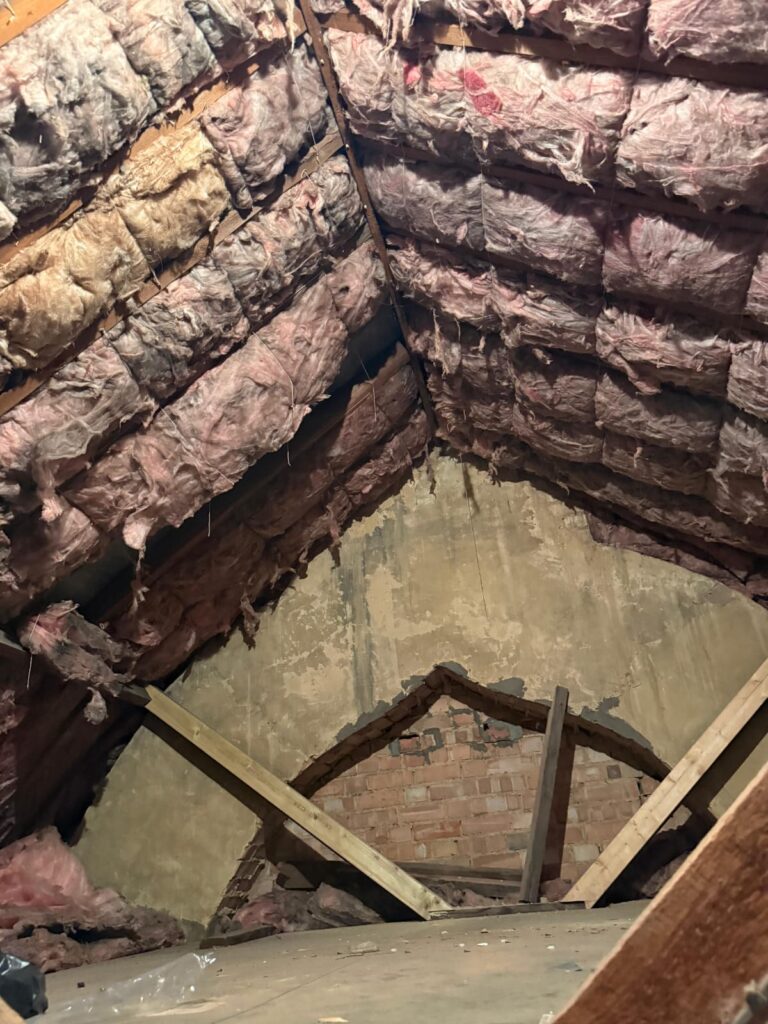
RdSAP — the government-approved software every domestic assessor uses — leans heavily on what can be verified. If your loft, wall or floor insulation is there but I can’t see it or prove it, the software applies a default assumption based on the property’s age. And defaults almost always score worse than reality. A 1930s semi with unverifiable cavity insulation gets treated like an uninsulated 1930s semi. This is the single most common reason a rating comes in lower than expected.
What to do: dig out installation certificates, Building Control sign-offs or building plans before the visit so the insulation is counted rather than assumed. Our EPC improvement recommendations service covers exactly this kind of evidence review.
2. Can an old or unidentified boiler drag down an EPC?
Yes — twice over. An old, inefficient boiler holds the rating back on its own merits. But here’s the hidden version: a good boiler I can’t properly identify does too. Boiler efficiency is drawn from official product databases by make and model, so a modern condensing boiler with the data plate painted over or the manual long gone may end up recorded on defaults.
What to do: have the boiler’s make, model and service records ready. Smart controls help too — but only when they can be recorded correctly.
3. Does glazing information affect my EPC rating?
More than most owners think. Double or triple glazing moves the score, but if the glazing type or installation date is unclear, the software falls back to a cautious default again. I see this constantly in London conversions — good glazing, no paperwork, disappointing band.
What to do: confirm the glazing details and provide FENSA certificates where you have them. If you’re not sure what you’ve got, book an assessment and mention it up front — I’d rather spend two extra minutes at the windows than have you lose points.
4. Do solar panels and heat pumps always count in an EPC?
Only if the assessor knows about them and they can be verified. Solar PV on a rear roof I can’t see from the ground, or a heat pump whose model isn’t identifiable, may not be credited the way you’d expect. Heat-pump efficiency in particular depends on the specific model being listed in the product database RdSAP draws from — so the paperwork genuinely decides the outcome.
What to do: tell the assessor about every renewable system and provide the MCS or installation certificates so they’re counted properly.
5. Can errors in floor area or layout change my EPC band?
Absolutely — floor area, room count and construction type feed directly into the calculation, and even small discrepancies add up. In extensions and loft conversions, the construction details of the new part matter as much as the original house.
What to do: provide accurate floor plans, building-control documents or a recent survey. Our pricing page shows assessment costs by property size.
Bonus: what if my EPC rating is just wrong?
It happens — occasionally a rating is low because of a simple data-entry slip. If you think your certificate contains a mistake, query it. A fresh assessment or a lodgement correction may be the answer, and it’s worth checking before you spend money on improvements you may not need.
How do I protect my EPC rating before the assessment?
One rule covers all five factors: evidence beats assumptions. Gather the FENSA certificates, boiler documentation, MCS paperwork and floor plans before the visit, and you give the assessment every chance of reflecting the property you actually own. For a professional EPC assessment anywhere in London, call 020 3488 4142 or book online. Rated ★★★★★ on Google Reviews and rated Excellent on Trustpilot.
EPC ratings — quick answers
Why is my EPC rating lower than expected?
Most often because insulation, glazing or heating couldn’t be evidenced on the day, so RdSAP applied cautious default assumptions that score worse than the real specification.
Can I improve my EPC rating without building work?
Sometimes — providing evidence of existing insulation, glazing and efficient heating that would otherwise be assumed can lift the rating without any physical changes.
What documents should I give my EPC assessor?
Insulation and FENSA certificates, boiler make and model, MCS certificates for renewables, and accurate floor plans or building-control paperwork.


Written by Jinoy Jose
DEA Accredited Energy Assessor · EPCRATE, London · Founded 2015
Jinoy Jose is the founder of EPCRATE and an accredited Domestic Energy Assessor (DEA). He has carried out thousands of EPC assessments across all 32 London boroughs since 2015, with NDEA-accredited assessors at EPCRATE covering commercial properties.
Last updated: · About the author →