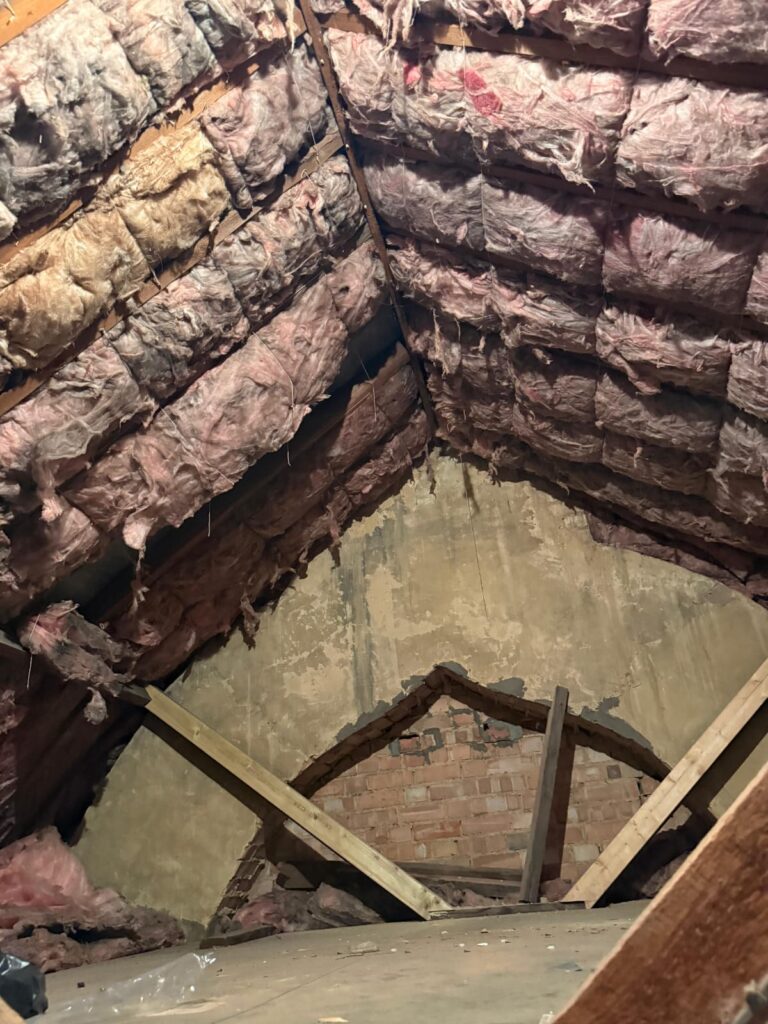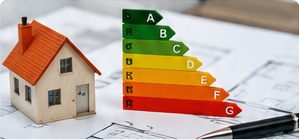
An EPC band shows the calculated energy efficiency of a property. EPC bands range from A, which represents the highest energy efficiency, to G, which represents the lowest.
EPCRATE Services — Quick Links
For homeowners, landlords, buyers and property investors, understanding EPC bands is important because the rating can influence running costs, rental compliance, property marketing, mortgage considerations and future improvement planning.
This guide explains what EPC bands mean, what determines a property’s rating and why supporting evidence can make a difference during an EPC assessment.
What Are EPC Bands?
An Energy Performance Certificate (EPC) gives a property an energy efficiency rating from A to G.
| EPC Band | Meaning |
|---|---|
| A | Very energy efficient |
| B | Highly energy efficient |
| C | Generally considered a good rating for many homes |
| D | Common for many existing UK properties |
| E | Often the minimum relevant band for rental compliance, unless exemptions apply |
| F | Low energy efficiency |
| G | Very low energy efficiency |
The band is based on a numerical score calculated using approved assessment methodology. To see how that score is produced, read our guide on how an EPC is calculated.
What Does an EPC Measure?
An EPC assesses the calculated energy performance of a property rather than the actual energy use of the occupants.
The assessment considers features such as:
- Wall, roof and floor construction.
- Insulation levels.
- Heating systems.
- Hot water systems.
- Windows and glazing.
- Fixed lighting.
- Renewable technologies.
- Property size and layout.
The final rating helps compare properties using a standardised method.
What EPC Band Is Considered Good?
For many existing UK homes, an EPC rating of C or above is generally considered strong, although expectations vary depending on property age, construction type and use. Our guide on how to reach an EPC C rating covers this in detail.
Older properties, period homes and converted flats may face different challenges compared with modern new-build properties.
A lower EPC rating does not automatically mean a property is poor quality, but it may indicate higher calculated energy demand or improvement opportunities. See our guide to a poor EPC rating explained.
What Determines an EPC Band?
The EPC band is influenced by several property characteristics.
Heating Systems
Heating systems are a major factor in EPC assessments. Boiler type, heating controls, system efficiency and fuel type can all influence the final rating.
Insulation
Loft insulation, wall insulation and floor insulation can reduce heat loss and may influence the EPC result where they are visible or supported by suitable evidence.
Windows and Glazing
Single glazing, double glazing, glazing age and window type can affect the assessment. Window upgrades may also improve comfort, although the EPC impact depends on the property as a whole — see how window U-values affect your EPC rating.
Hot Water Systems
Hot water systems, cylinder insulation and pipe insulation may also affect the calculated energy performance.
Lighting
Fixed low-energy lighting is considered within the EPC assessment, although lighting is usually only one part of the overall calculation.
Renewable Technologies
Solar PV, solar thermal systems and heat pumps may influence EPC performance where they are present, correctly recorded and supported by suitable documentation where required.
Why Similar Homes Can Have Different EPC Bands
Two similar-looking homes can receive different EPC ratings because small differences can affect the calculation.
These differences may include:
- Different heating systems.
- Different insulation levels.
- Window age and glazing type.
- Extensions or conversions.
- Availability of supporting evidence.
- Property layout and floor area.
This is why EPC ratings should be understood as property-specific rather than based only on appearance or location.
Why Supporting Evidence Matters
An EPC rating depends not only on the property itself but also on the evidence available to support qualifying features.
Useful supporting documents may include:
- FENSA certificates.
- Building Control approvals.
- Insulation certificates.
- MCS certificates for renewable technologies.
- Architect drawings and contractor documentation.
Where improvements cannot be visually confirmed or evidenced, assessors may be required to apply default assumptions under approved conventions. For concealed measures such as floor or internal wall insulation, documentary evidence is typically needed — usually Building Control sign-off, or builder documentation and architect’s drawings with invoices as backup. See our guide to what evidence can improve EPC accuracy.
Providing evidence does not guarantee a specific EPC band, but it may help ensure qualifying features are appropriately reflected where assessment methodology allows.
EPC Bands and Landlord Compliance
For many landlords, EPC bands are especially important because rental properties are subject to Minimum Energy Efficiency Standards.
At the time of writing, many privately rented properties generally need an EPC rating of E or above unless a valid exemption applies.
Landlords should always review current government guidance because requirements may change over time.
EPC Bands and Mortgages or Remortgages
Some lenders offer mortgage products that take energy efficiency into account, sometimes referred to as green mortgages.
Eligibility criteria vary between lenders and products.
A higher EPC rating does not guarantee better mortgage terms, lender acceptance or green mortgage eligibility. However, some homeowners and landlords choose to review their EPC position before applying for a mortgage or remortgage, especially after completing energy efficiency improvements.
Can You Improve Your EPC Band?
Many properties have opportunities for improvement, but the best route depends on the building.
Common improvement areas may include:
- Loft insulation.
- Wall insulation.
- Floor insulation.
- Heating controls.
- Heating system upgrades.
- Hot water insulation.
- Low-energy lighting.
- Renewable technologies.
No improvement can guarantee a specific EPC rating because outcomes depend on property characteristics, available evidence and approved assessment methodology. Our guide on improving EPC ratings without overspending covers cost-effective options.
How a Draft EPC Review Can Help
Many homeowners, landlords and property investors want to understand their current EPC position before spending money on improvements.
EPCRATE’s Draft EPC Review service can help property owners:
- Review the current EPC position.
- Identify available supporting evidence.
- Explore possible improvement pathways.
- Support refurbishment planning.
- Assist budgeting decisions.
A Draft EPC Review does not guarantee a future EPC rating, compliance outcome, mortgage outcome or improvement result.
Why Choose EPCRATE?
- Founded in 2015 by Jinoy Jose, DEA accredited.
- NDEA-accredited assessors for commercial properties.
- Rated Excellent on Trustpilot.
- ★★★★★ Google Reviews.
- Domestic and Commercial EPC specialists.
- Draft EPC Review Service available.
- EPC and Floor Plan Bundles available.
- Coverage across all London boroughs.
- Greater London Energy Efficiency Awards – Commended 2024.
- Greater London Energy Efficiency Awards – Highly Commended 2025.
Frequently Asked Questions
What is an EPC band?⌄
An EPC band is a classification that shows the calculated energy efficiency of a property. Ratings range from A, the most efficient, to G, the least efficient.
What is a good EPC band?⌄
For many existing homes, a rating of C or above is generally considered strong, although expectations depend on property type, age and construction.
Why do similar homes have different EPC bands?⌄
Similar homes can have different ratings because of heating systems, insulation, glazing, extensions, layout and supporting evidence.
Can evidence affect my EPC band?⌄
Suitable evidence may help qualifying improvements be reflected where assessment conventions allow, but evidence cannot guarantee a specific rating.
Can a Draft EPC Review guarantee a better EPC band?⌄
No. A Draft EPC Review supports planning and evidence review, but it cannot guarantee any particular EPC outcome.
Need Help Understanding Your EPC Band?
EPCRATE provides Domestic EPCs, Commercial EPCs, Floor Plans and Draft EPC Reviews across all 32 London boroughs. Next-day appointments are available from £59, with urgent same-day inspections from £90 (certificate issued on site) subject to availability.
Call 020 3488 4142 to discuss your property, or book your EPC assessment online.


Written by Jinoy Jose
DEA Accredited Energy Assessor · EPCRATE, London · Founded 2015
Jinoy Jose is the founder of EPCRATE and an accredited Domestic Energy Assessor (DEA). He has carried out thousands of EPC assessments across all 32 London boroughs since 2015, with NDEA-accredited assessors at EPCRATE covering commercial properties.
Last updated: · About the author →