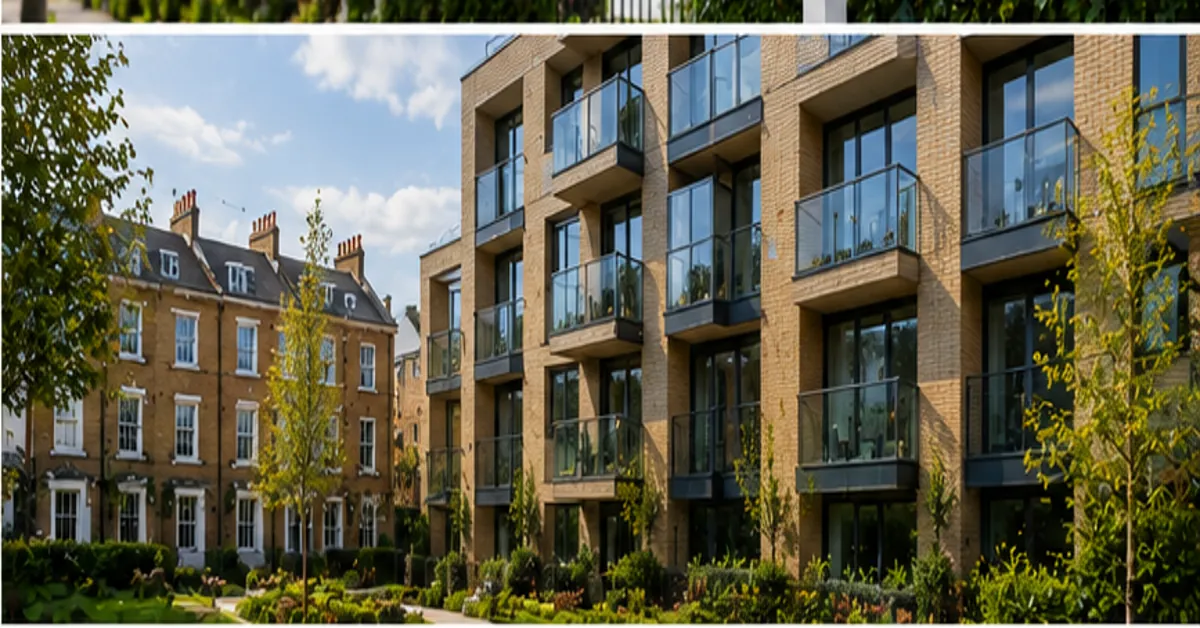
New construction homes are substantially more energy efficient than older homes, saving homeowners hundreds of pounds each year in energy costs. As energy prices continue to climb and climate change becomes a more significant global concern, purchasing a new home is becoming a more attractive alternative.
Why it is more energy efficient?
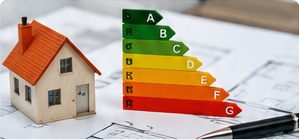
According to research, the age of a property is the single most important factor in determining the energy efficiency of a home. “84 percent of new-build properties were awarded an EPC grade of an A or a B between October and December 2021,” according to BuyAssociation study. In comparison, 81 percent of older homes obtained a C or D energy rating, while only 4% received an A or B grade.
EPCRATE Services — Quick Links
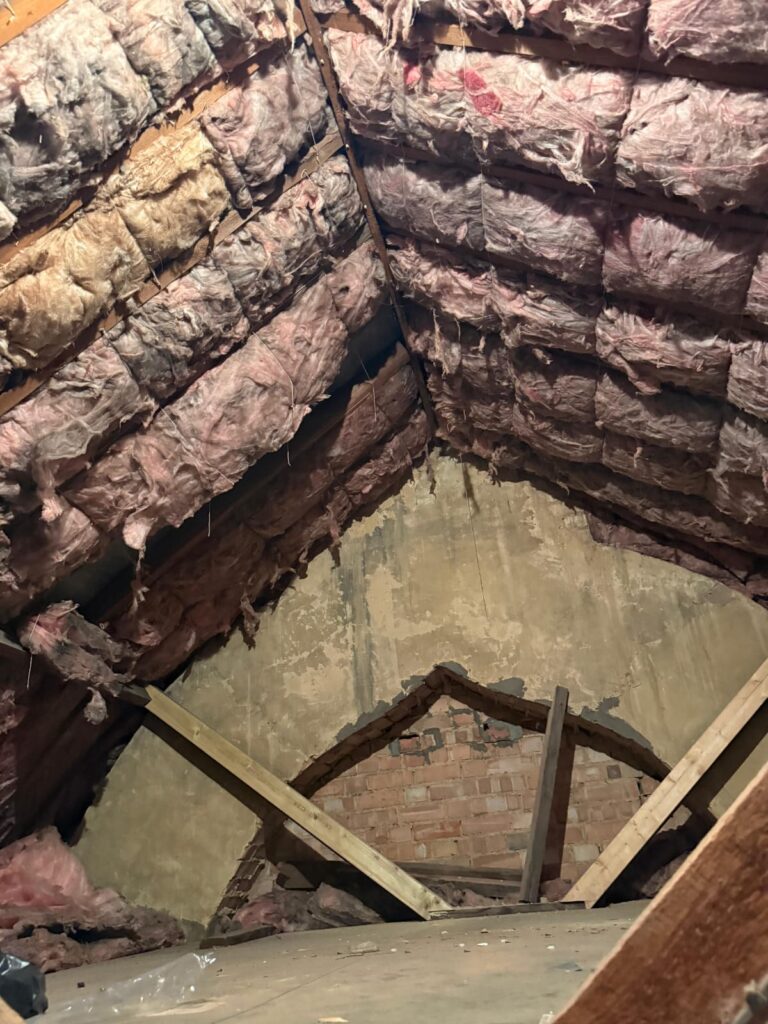
According to the findings, new dwellings outperform older ones in terms of energy efficiency. New construction properties are built with energy efficiency in mind, with energy-efficient appliances, windows, and heating, cooling, and lighting systems. Building styles have evolved through time and have grown considerably more environmentally friendly. When compared to the floor designs of older houses, modern layouts, for example, are more energy efficient.
What is the significance of energy efficiency?
Lower energy costs
On April 1, 2022, the energy price cap was raised, resulting in an average annual power bill of £1,971 to £2,017 for the typical family. In the previous six months, global gas prices have reached new highs, and wholesale prices have grown four times in the last year alone. When the energy price cap is reviewed again in October, it is projected to rise once more.
The majority of homeowners spend a significant amount of their after-tax income on energy and are unable to pay their household obligations. Energy price hikes are more likely to harm properties with lower energy ratings, which is why energy-efficient homes are becoming more appealing to purchasers. One of the most significant advantages of living in a new construction house is that they are more energy efficient, resulting in lower energy expenses.
Decrease carbon emissions
Climate change is a big issue, and many homeowners want to do something to lessen their influence on the environment. You will lower your carbon footprint by moving to a modern house since you will use less energy than you would in an older home.
Buildings account for over 40% of the UK’s total carbon footprint. A target has been established for all households in the UK to earn an Energy Performance Certificate (EPC) of C by 2035 as part of the government’s climate change policy. Building new energy-efficient houses will be critical in assisting the UK in meeting its climate change objectives and achieving net-zero energy.
What can you do to boost your home energy rating?
- Replacing ageing appliances with more energy-efficient versions is a good idea.
- Install an environmentally friendly boiler in your home’s heating system.
- To insulate your home and lessen outside noise, consider installing double or triple windows.
- To eliminate draughts, seal open chimneys.
- Replace any windows or doors that are old or damaged.
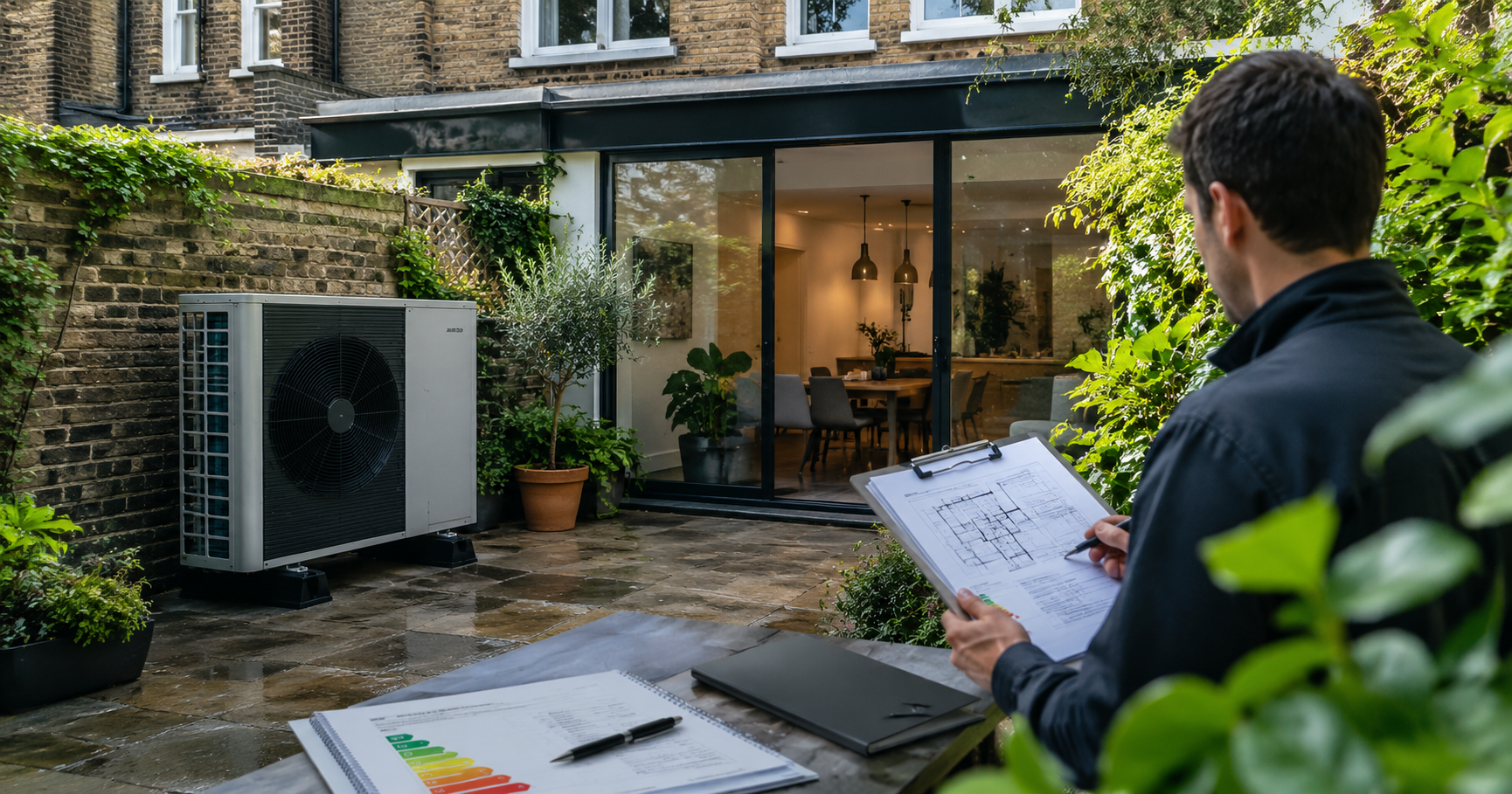
- Install solar panels on your roof or switch to a green energy supplier that uses renewable energy sources like wind and solar to create electricity.
- LEDs may be used to replace incandescent light bulbs.
- Insulate the roof, flooring, and wall voids with additional insulation.
- Ensure that hot water tanks and pipelines are properly insulated.
Frequently Asked Questions
What EPC rating do new build homes get?Most new build homes achieve an A or B EPC rating due to modern construction standards including high levels of insulation, efficient heating systems, double or triple glazing, and energy-efficient appliances.
Why do older homes have lower EPC ratings?
Older properties often have less insulation, older heating systems, single glazing, and no renewable energy systems. These factors result in lower EPC ratings, typically D, E, or below.
Do new builds need an EPC?
Yes. New build properties require an EPC before they can be sold or let. EPCRATE provides EPC certificates for new build developers and buyers across all London boroughs.
Need an EPC Certificate in London?⌄
EPCRATE provides accredited EPC certificates across all 32 London boroughs. From £59 · Same-day available · Certificate emailed within 24 hours.
⭐ Rated Excellent on Trustpilot · Greater London Energy Efficiency Award winners 2024 & 2025
Also available: EPC + Floor Plan Bundle £118 · EPC for Landlords · Draft EPC London
Want the rules behind it? Our Part L building regulations & EPC guide explains the standards new homes are built to — and what changes in March 2027.


Written by Jinoy Jose
DEA Accredited Energy Assessor · EPCRATE, London · Founded 2015
Jinoy Jose is the founder of EPCRATE and an accredited Domestic Energy Assessor (DEA). He has carried out thousands of EPC assessments across all 32 London boroughs since 2015, with NDEA-accredited assessors at EPCRATE covering commercial properties.
Last updated: · About the author →