
The EPC rating of your property could wind up costing you money. But it is very essential.
For quite some time, the Energy Performance Certificate (EPC) system has been well established in the UK property scene. All residences must come with an EPC identifying their energy efficiency level since August 2007 for properties sold, and since October 2008 for properties rented.
EPCRATE Services — Quick Links
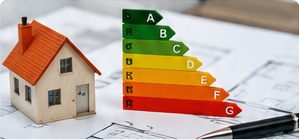
- What constitutes a satisfactory EPC rating?Properties are graded on a scale of A to G, with A being the most efficient and G being the least efficient.
An EPC was mainly seen as yet another piece of paperwork required in the home-buying process in the early years following the scheme’s launch. It has, nonetheless, gained fresh significance in recent years.Tackling emissions from UK houses, which account for roughly 15% of the country’s greenhouse gas emissions, will be critical to the government’s ability to meet its climate goals. As a result, the UK government plans to update as many homes as possible to a C EPC rating by 2035, while some argue that this goal should be pushed back to 2028. In any case, it puts the owners of the 19 million UK homes with an energy efficiency grade below a C in a bind, as housing experts now warn that non-energy efficient homes may become unmortgageable and hence impossible to sell.
- How does an EPC influence the value of my home?
Yes, in a word. The government’s initiatives to ensure that properties be improved beyond a C rating make those above this level more enticing to potential buyers because they are not subject to potentially costly upgrades. Furthermore, individuals are becoming more aware of the cost-saving advantages of living in an energy-efficient home. According to moneysupermarket.com, upgrading an English property to an A rating might increase its value by as much as 14 percent.
- What impact does an EPC have on my mortgage?
No, although that could change in the near future. According to a recent survey conducted by Countrywide Surveying Services, 71% of property professionals feel valuers should include EPC ratings when pricing a property, and 56% believe lenders should incorporate EPC ratings in mortgage rates. Existing and potential homeowners may be affected if the property in question has an EPC rating of less than C.
- How can I increase the EPC rating of my home?
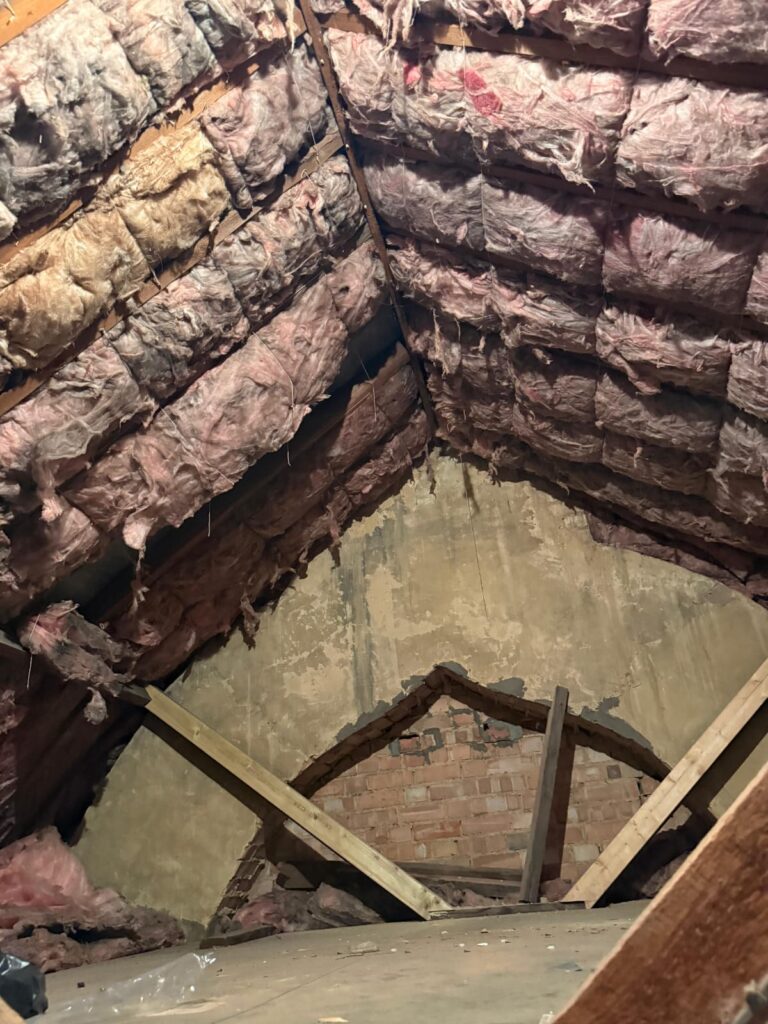
Given the current climate crisis, there is no better time than now to increase your home’s energy efficiency, and the greatest time to do so is during the summer. Your current EPC will list popular upgrades, such as insulation, double-glazing, low-energy lighting, and solar panels, as well as the potential costs of making these changes and the money you could save on your bills as a result.
- What is the lifespan of an energy performance certificate certificate?
An EPC is good for ten years and can be utilised more than once during that time. If the property is being marketed for sale or rent at the time, the EPC will expire after ten years and a fresh EPC (valid for the next ten years) should be created.
- What are the implications of an EPC for homeowners, landlords, and renters?
Two things are likely to happen to homeowners who own properties with a C grade. To begin with, securing a new mortgage contract may become more difficult and costly. Second, selling the home will be considerably more difficult unless the price reflects the amount of work required to bring it up to code. As a result, homeowners may lose money on their property.
The restrictions apply to rental property owners as well, and with tenants becoming more aware of energy consumption and expenses, a rental home with a low rating will be less appealing and so command considerably lower rental prices. Furthermore, rental homes must have an E or above rating (with some exemptions).
Frequently Asked Questions
Do I need an EPC to sell my house?Yes. You must have a valid EPC before marketing your property for sale. The EPC must be made available to prospective buyers free of charge.
Does a low EPC rating affect house prices?
Yes. Research shows that properties with higher EPC ratings (A or B) sell for more and faster than lower-rated properties. An F or G rated property may be harder to sell and could affect mortgage eligibility.
How much does an EPC cost for a house sale in London?
EPCRATE charges from £59 for a 1-bedroom property EPC in London. The EPC is valid for 10 years and can be used for both sale and letting purposes.
Need an EPC Certificate in London?⌄
EPCRATE provides accredited EPC certificates across all 32 London boroughs. From £59 · Same-day available · Certificate emailed within 24 hours.
⭐ Rated Excellent on Trustpilot · Greater London Energy Efficiency Award winners 2024 & 2025
Also available: EPC + Floor Plan Bundle £118 · EPC for Landlords · Draft EPC London


Written by Jinoy Jose
DEA Accredited Energy Assessor · EPCRATE, London · Founded 2015
Jinoy Jose is the founder of EPCRATE and an accredited Domestic Energy Assessor (DEA). He has carried out thousands of EPC assessments across all 32 London boroughs since 2015, with NDEA-accredited assessors at EPCRATE covering commercial properties.
Last updated: · About the author →