
Why Some EPC Upgrades Fail and How to Get Them Right
Many homeowners, landlords and property investors spend money on energy-efficiency improvements expecting a higher EPC rating, only to discover that the final certificate changes…

Many homeowners, landlords and property investors spend money on energy-efficiency improvements expecting a higher EPC rating, only to discover that the final certificate changes…

When improving a property’s Energy Performance Certificate (EPC) rating, most people focus on insulation, boilers, or renewable energy systems. However, an often-overlooked factor that…
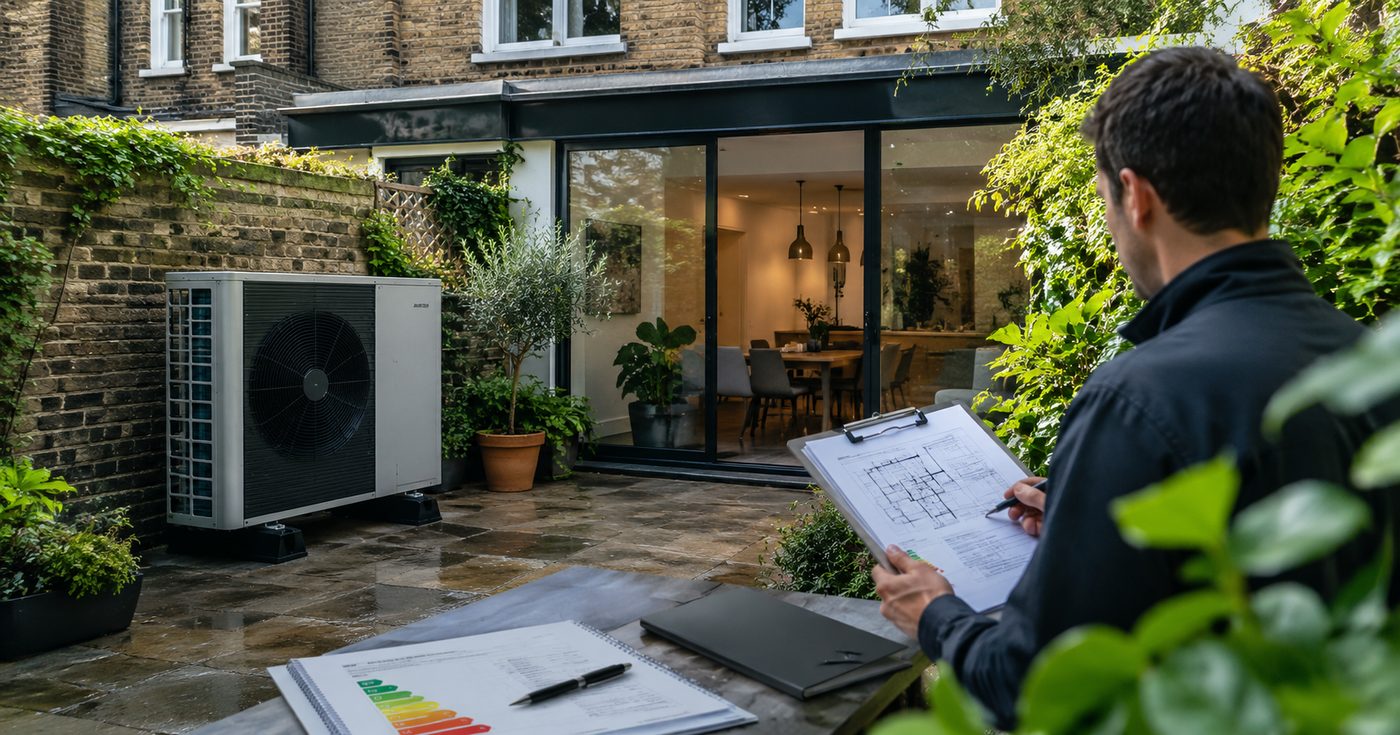
If you’re listing a property on Airbnb, Vrbo, or other short-term rental platforms , you might be wondering: Do I need an Energy Performance…

Many property owners know that an Energy Performance Certificate (EPC) generally remains valid for 10 years. However, after completing major renovation or refurbishment works,…

When a business calls us about a commercial EPC, it's usually because a lease is about to be signed and someone's solicitor has just…

Energy Performance Certificates (EPCs) are legally required when selling, letting, or building a property in the UK. They inform buyers and tenants about a…

An Energy Performance Certificate (EPC) is often used by buyers, sellers, landlords, tenants and investors when making important property decisions. But what happens if…

Energy Performance Certificates (EPCs) have been part of the UK property landscape for many years, helping homeowners, landlords, buyers and tenants understand the energy…

Every UK property with an Energy Performance Certificate (EPC) receives a simple A to G rating, but behind that colour-coded chart sits a detailed…

When trying to boost your home’s Energy Performance Certificate (EPC) rating, floor insulation often comes up as a recommended improvement. But how much of…