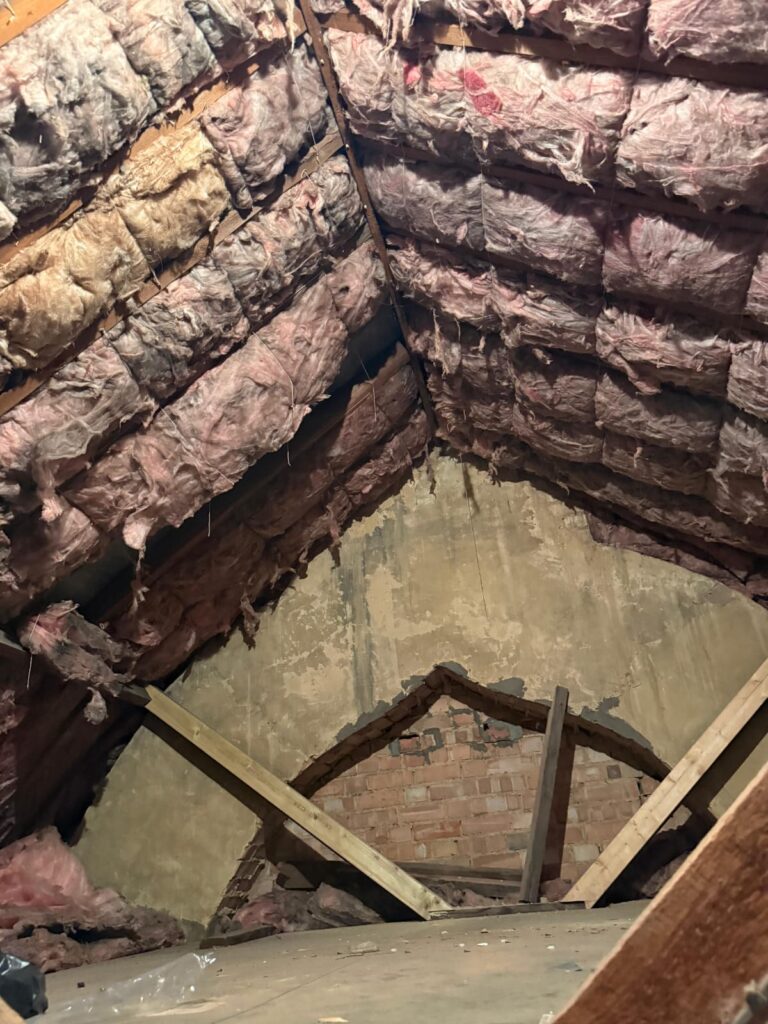

Owners of listed buildings get more conflicting advice about EPCs than almost anyone I assess for. Half are told listed status means full exemption; the other half are told they must comply like any modern home. The truth sits in between: listed buildings are not automatically exempt from EPCs — but they are treated under special rules. Let me take the questions in the order people actually ask them.
EPCRATE Services — Quick Links
Do listed buildings need an EPC?
Sometimes — but not always, and that’s the honest answer. A listed building is only exempt where compliance would unacceptably alter its character or appearance. There’s no blanket exemption for listing. If the building can be assessed and improved without harming its heritage significance, an EPC is still required. Assuming otherwise is the single most expensive mistake I see heritage owners make.
When is a listed building exempt from EPC requirements?
The exemption can apply where the works needed for compliance would genuinely damage the building:
- Insulation would damage historic walls or finishes
- Window replacement would alter original fabric or appearance
- Structural changes needed for compliance are prohibited by conservation rules
Even then, the exemption has to be justified with evidence — it’s claimed, not assumed.
When does a listed building still need an EPC?
If the building can be assessed non-invasively, if improvements are technically possible without harming character, or if you’re selling or letting without a formally registered exemption. In practice, a lot of listed London stock — Georgian and Victorian terraces especially — can be assessed and lightly improved without touching protected fabric. I’ve done plenty of these: the assessment itself never damages anything, and options like heating controls or discreet loft-insulation top-ups often don’t trouble the conservation officer at all.
Do listed buildings have to meet the minimum EPC rating to be let?
For rentals, the band E minimum applies unless you hold a valid registered exemption, the upgrades would damage the building, or reaching band E would cost more than the £3,500 cap. For sales, there’s no minimum rating at all — just the requirement to hold an EPC unless exempt. The letting rules are covered fully in our MEES compliance guide for London landlords.
How do I claim a listed-building EPC exemption?
- Get professional evidence — heritage or technical
- Show that compliance would damage the building
- Register the exemption on the PRS Exemptions Register (for rentals)
- Keep your documentation
Exemptions run for five years and are never automatic. Skip the registration step and you’re exposed to enforcement even if the exemption would have been valid.
What mistakes do listed-building owners make with EPCs?
- Assuming listing equals automatic exemption
- Not registering exemptions formally
- Commissioning upgrades that harm heritage value — and still not reaching the band they hoped for
- Failing to provide an EPC when one is legally required
What should a listed-building owner actually do?
Use an assessor who knows heritage stock, avoid harmful or unnecessary upgrades, document the constraints clearly, and register any exemption properly. If you’re unsure where your building stands, a Draft EPC models what could realistically be improved — before you commit to any work or any exemption claim. Book an assessment or call 020 3488 4142.
Listed-building EPCs — quick answers
Are listed buildings exempt from EPCs?
Not automatically. A listed building is only exempt where compliance would unacceptably alter its character or appearance; otherwise an EPC is still required.
Do I need to reach band E on a listed rental?
Yes — unless a valid exemption is registered, the works would damage the building, or reaching band E would cost more than the £3,500 cap.
How do I register a listed-building exemption?
Obtain heritage or technical evidence, then register on the PRS Exemptions Register. It’s valid for five years.
EPCRATE — 124–128 City Road, London, EC1V 2NX · 020 3488 4142 · info@epcrate.co.uk. Rated ★★★★★ on Google Reviews and rated Excellent on Trustpilot.


Written by Jinoy Jose
DEA Accredited Energy Assessor · EPCRATE, London · Founded 2015
Jinoy Jose is the founder of EPCRATE and an accredited Domestic Energy Assessor (DEA). He has carried out thousands of EPC assessments across all 32 London boroughs since 2015, with NDEA-accredited assessors at EPCRATE covering commercial properties.
Last updated: · About the author →