
If your property has received an F or G rating on its Energy Performance Certificate (EPC), you may be wondering what it means in practice and what your options are.
EPCRATE Services — Quick Links
A poor EPC rating can affect how a property is rented, marketed and perceived by buyers and tenants. Understanding what sits behind the rating is the first step towards deciding what, if anything, needs to change.
Founded in 2015 by Jinoy Jose, EPCRATE has helped homeowners and landlords across London understand and improve their EPC position, with same-day appointments available where possible. Call 020 3488 4142 to speak with our team.
What Counts as a Poor EPC Rating?
EPC ratings run from A (most efficient) to G (least efficient).
In general terms:
- A–C — above-average energy performance.
- D — a very common rating for older London housing stock.
- E — the minimum standard that applies to many privately rented properties.
- F and G — the lowest bands, generally considered poor.
Many period properties across London — Victorian terraces, Edwardian conversions and older flats — were built long before modern insulation standards, which is why lower ratings are common in the capital.
Why Does a Poor Rating Matter for Landlords?
Under the Minimum Energy Efficiency Standards (MEES), many privately rented properties in England and Wales are required to meet a minimum E rating before being let, unless a valid exemption has been registered.
Properties rated F or G may therefore face restrictions on new lettings, and penalties can apply where requirements are not met.
Because regulations can change, landlords should always verify the current position against official government guidance. Our MEES guide for London landlords explains the framework in more detail.
Does a Poor Rating Stop You Selling?
In many circumstances, no.
A poor EPC rating does not normally prevent a property from being sold. However, a valid EPC is generally still required when the property is marketed, and buyers increasingly review energy performance when comparing properties.
Some buyers may factor potential improvement costs into their offers, which is why some sellers choose to address straightforward issues before listing.
What Causes a Poor EPC Rating?
Common factors behind F and G ratings include:
- Solid walls without insulation.
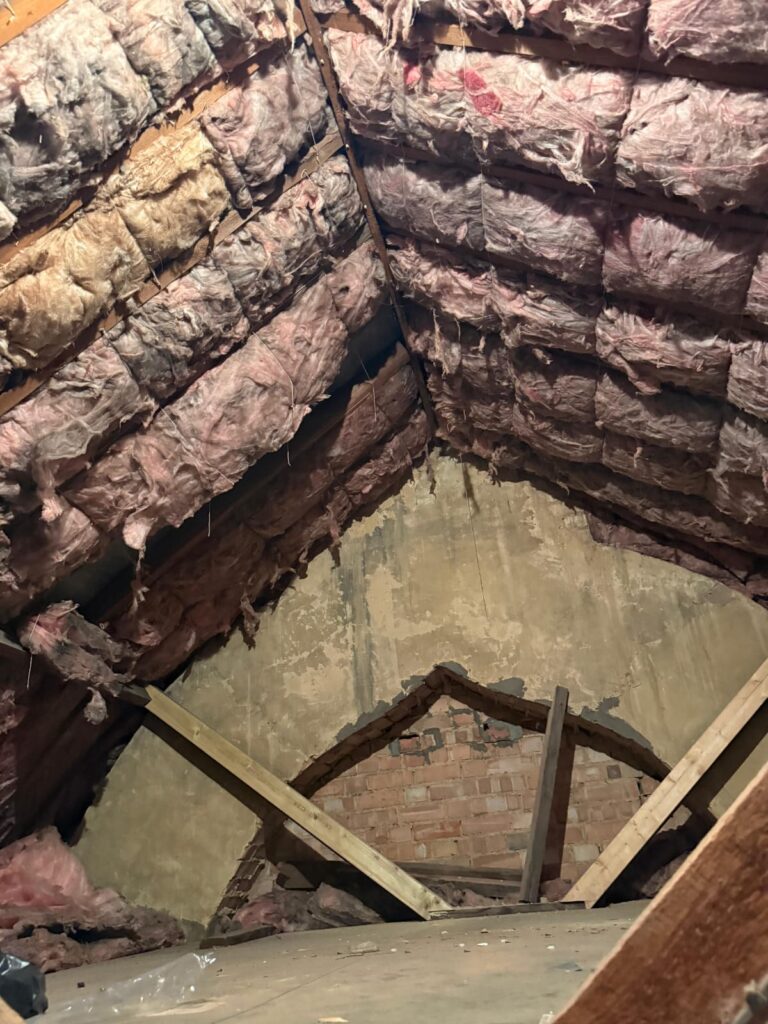
- Little or no loft insulation.
- Older or inefficient heating systems.
- Limited heating controls.
- Single glazing.
- Electric room heaters as the main heat source.
- Missing evidence for improvements that have actually been made.
That last point matters: where qualifying improvements cannot be evidenced, the assessment may use standard assumptions, which can result in a lower rating than the property deserves. Our guide to EPC evidence and documents explains exactly what to prepare.
Options If Your Property Is Rated F or G
Depending on the property and your circumstances, options may include:
- Reviewing the certificate for features that were assumed rather than evidenced.
- Gathering supporting documentation (insulation guarantees, FENSA certificates, Building Control records).
- Considering improvement measures such as insulation, heating upgrades or improved controls — see our guide to getting an EPC C rating.
- Commissioning a new assessment after improvements are completed.
- For landlords — reviewing whether a valid exemption category applies, supported by appropriate evidence.
No improvement measure guarantees a specific rating — final results depend on the property, the evidence available and the approved assessment methodology.
Planning Improvements? Consider a Draft EPC First
EPCRATE is the only London provider offering a Draft EPC service, which allows you to review the assessment outcome and discuss potential improvements before the certificate is lodged on the national register. Not sure if it applies to you? Read Is a Draft EPC worth it?
For properties at risk of an F or G result, this can help owners and landlords plan their next steps with better information.
What Happens During an EPC Assessment?
The assessment is straightforward and non-invasive. The assessor records information relating to:
- Property dimensions.
- Wall and roof construction.
- Heating systems and controls.
- Hot water systems.
- Glazing.
- Fixed lighting.
- Insulation where supporting evidence is available.
EPCRATE typically lodges the certificate within 24 hours of the assessment.
Why Choose EPCRATE?
- Founded in 2015 by Jinoy Jose.
- DEA Accredited.
- Rated Excellent on Trustpilot.
- ★★★★★ Google Reviews.
- Same-day appointments available where possible.
- Coverage across all 32 London boroughs.
- Only London provider offering a Draft EPC service.
- Greater London Energy Efficiency Awards – Commended 2024.
- Greater London Energy Efficiency Awards – Highly Commended 2025.
Frequently Asked Questions
What is considered a poor EPC rating?⌄
EPC ratings run from A (most efficient) to G (least efficient). Ratings of F and G sit at the bottom of the scale and are generally considered poor. Call EPCRATE on 020 3488 4142 for advice on your property.
Can I rent out a property with an F or G rating?⌄
Under Minimum Energy Efficiency Standards, many privately rented properties in England and Wales require a minimum E rating unless a valid exemption is registered. Landlords should verify current requirements against government guidance.
Can I sell a property with a poor EPC rating?⌄
In many circumstances, yes. A poor rating does not normally prevent a sale, although buyers may take the rating into account. A valid EPC is generally still required when marketing the property.
Will a poor EPC rating affect my mortgage?⌄
Some lenders consider energy performance as part of their criteria, and some offer products linked to better ratings. Buyers and owners should check directly with their lender or adviser.
How do I find out my current EPC rating?⌄
You can check your current certificate free of charge on the official government EPC register at gov.uk/find-energy-certificate, or call EPCRATE on 020 3488 4142 to arrange a new assessment.
Concerned about a low EPC rating? Call EPCRATE on 020 3488 4142 for practical advice and fast assessments across all 32 London boroughs.
| Service | Price |
|---|---|
| 1 Bedroom EPC | £59 |
| 2 Bedroom EPC | £69 |
| 3 Bedroom EPC | £79 |
| EPC + Floor Plan Bundle | £118 |


Written by Jinoy Jose
DEA Accredited Energy Assessor · EPCRATE, London · Founded 2015
Jinoy Jose is the founder of EPCRATE and an accredited Domestic Energy Assessor (DEA). He has carried out thousands of EPC assessments across all 32 London boroughs since 2015, with NDEA-accredited assessors at EPCRATE covering commercial properties.
Last updated: · About the author →