Many property owners know that an Energy Performance Certificate (EPC) generally remains valid for 10 years. However, after completing major renovation or refurbishment works, an important question often arises:
EPCRATE Services — Quick Links
Should you obtain a new EPC?
While a valid EPC does not automatically expire because improvements have been completed, there are many situations where obtaining an updated assessment can be beneficial.
This guide explains when an EPC reassessment may be worthwhile, which types of renovations can affect EPC outcomes and how supporting evidence can play an important role.
Founded in 2015 by Jinoy Jose, EPCRATE provides Domestic EPCs, Commercial EPCs, Floor Plans and Draft EPC Reviews across London.
How Long Does an EPC Last?
A domestic EPC generally remains valid for 10 years from the date it is issued.
This remains true even if renovation works are completed after the certificate has been produced.
However, an EPC that remains legally valid may no longer accurately reflect the property’s current condition following significant improvements.
When Should You Consider a New EPC After Renovations?
A reassessment may be beneficial where major works have been completed and you want the certificate to better reflect the property’s current energy performance.
Common examples include:
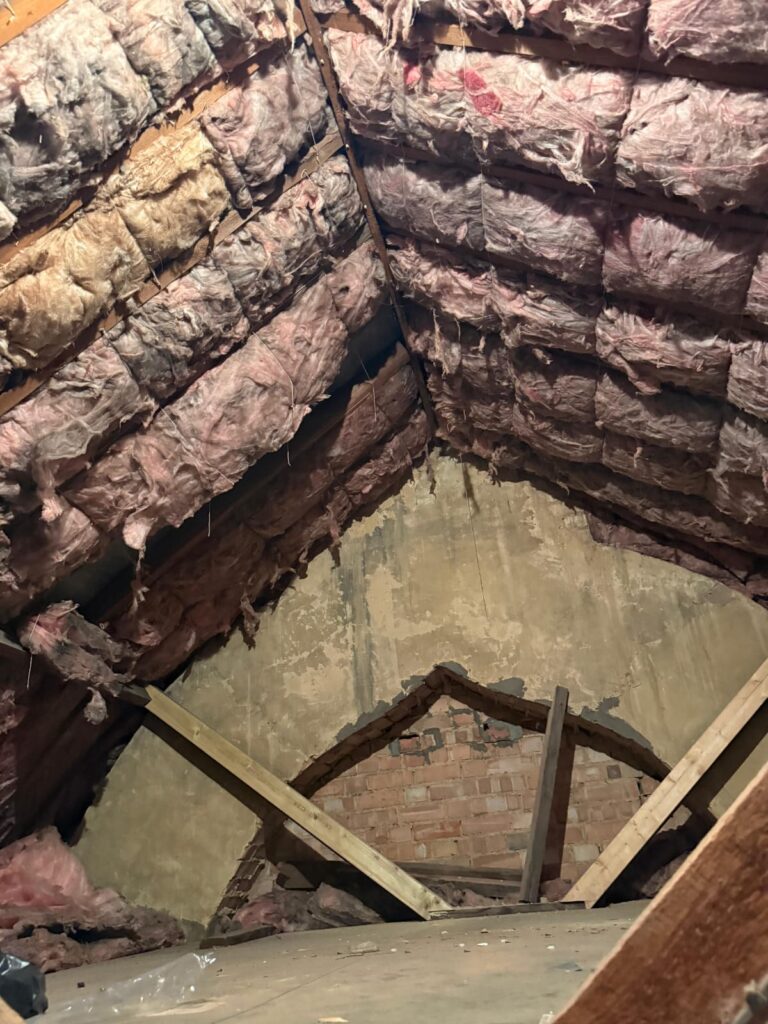
- Loft insulation upgrades.
- Cavity wall insulation.
- Internal or external wall insulation.
- New heating systems.
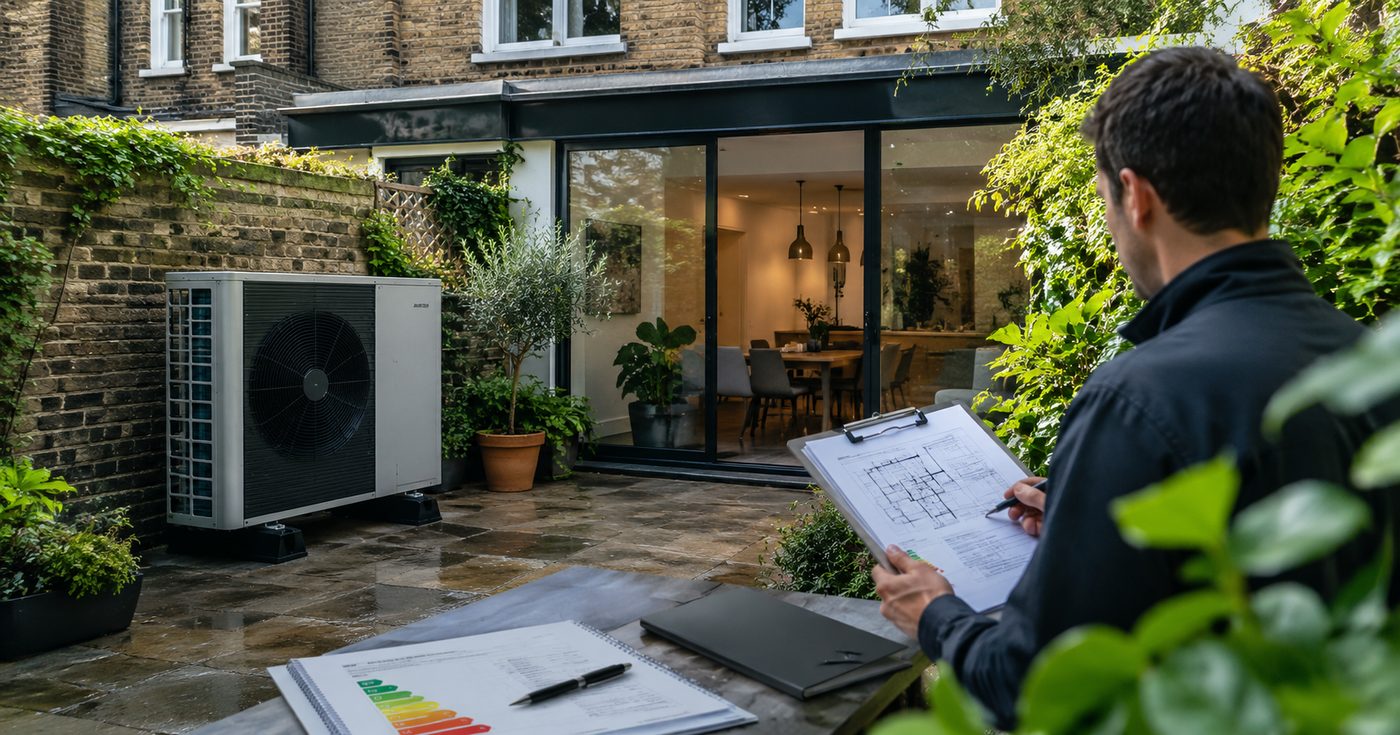
- Heat pump installations.
- Solar PV systems.
- Solar thermal systems.
- Replacement glazing.
- Floor insulation.
- Major refurbishment projects.
If improvements have been completed, a new EPC may provide a more up-to-date reflection of the property. If you are planning a heat pump installation, note that its efficiency is only accurately reflected where the specific model is listed for selection in the assessment software.
However, no improvement guarantees a specific EPC rating.
Selling a Property After Renovation
If you intend to sell a renovated property, an updated EPC may help ensure that potential buyers see information that reflects the current condition of the building.
Estate agents commonly request a valid EPC before marketing begins.
Where significant improvements have been completed, many sellers choose to commission a new EPC even if an older certificate remains valid.
Letting a Property After Renovation
Landlords often obtain updated EPCs following refurbishment works.
This can help provide a more accurate picture of the property’s energy performance and support compliance planning.
Landlords should always review current Minimum Energy Efficiency Standards (MEES) requirements and any future regulatory changes.
Remortgaging After Energy Improvements
Many homeowners undertake energy efficiency improvements before applying for a mortgage or remortgage.
Some lenders offer Green Mortgage products linked to stronger EPC ratings, although eligibility varies between lenders and products.
An updated EPC may help provide a more current reflection of completed improvements.
No EPC assessment can guarantee mortgage approval, lender acceptance or eligibility for any specific financial product.
Extensions and Structural Alterations
Major building works can sometimes affect EPC outcomes.
Examples include:
- Loft conversions.
- Garage conversions.
- Rear extensions.
- Side extensions.
- Significant layout changes.
- Changes to heated floor area.
Where the building has materially changed, a reassessment may provide a more accurate reflection of the property’s current configuration.
Why Supporting Evidence Matters
One of the most overlooked aspects of post-renovation EPC assessments is supporting documentation.
Many energy efficiency improvements become hidden once works are completed.
Useful evidence may include:
- Building Control approvals.
- Insulation certificates.
- FENSA certificates.
- MCS certificates.
- Architect drawings.
- Contractor invoices.
- Manufacturer specifications.
Where qualifying improvements cannot be visually confirmed, suitable evidence may help ensure they are appropriately reflected where assessment methodologies and conventions allow. For concealed measures such as floor or internal wall insulation, documentary evidence is typically needed — usually Building Control sign-off, or builder documentation and architect’s drawings with invoices as supporting backup. See our guide to what evidence can improve EPC accuracy.
Can a Draft EPC Review Help Before Renovations?
Many property owners commission improvement works without fully understanding how those changes may interact with EPC methodologies. Our guide on EPCs before renovation covers timing in more detail.
EPCRATE’s Draft EPC Review service can help property owners better understand their current position before committing significant expenditure.
A Draft EPC review may help:
- Review current energy performance.
- Identify missing evidence.
- Explore potential improvement pathways.
- Support budgeting decisions.
- Assist renovation planning.
However, a Draft EPC Review does not guarantee a future EPC rating, compliance outcome, mortgage outcome or improvement result.
When Is a New EPC Not Usually Necessary?
A reassessment may not be required where works are purely cosmetic or do not materially affect energy performance.
Examples may include:
- Decoration.
- Painting.
- Floor finishes.
- Kitchen replacements without energy-related changes.
- Bathroom upgrades without energy-related changes.
However, property owners may still choose to obtain an updated EPC if significant energy improvements have been completed elsewhere.
Benefits of Updating Your EPC After Renovation
- More accurate property information.
- Improved marketing presentation.
- Better compliance planning.
- Support for remortgage discussions.
- Potentially improved buyer confidence.
- Recognition of qualifying improvements where evidenced.
Why Choose EPCRATE?
- Founded in 2015 by Jinoy Jose, DEA accredited.
- NDEA-accredited assessors for commercial properties.
- Rated Excellent on Trustpilot.
- ★★★★★ Google Reviews.
- Coverage across all London boroughs.
- Domestic and Commercial EPC specialists.
- Draft EPC Review Service available.
- EPC & Floor Plan Bundles available.
- Greater London Energy Efficiency Awards – Commended 2024.
- Greater London Energy Efficiency Awards – Highly Commended 2025.
Frequently Asked Questions
Do I legally need a new EPC after renovations?⌄
Not necessarily. A valid EPC generally remains valid for 10 years, although many owners choose to obtain a new assessment after significant improvements.
Will my EPC definitely improve after renovations?⌄
No. Outcomes depend on the property, the improvements completed, available evidence and assessment methodology.
Can hidden insulation be included?⌄
Potentially, provided suitable supporting evidence is available and assessment conventions permit its inclusion.
Should I wait until all works are completed?⌄
In many cases it is sensible to arrange an EPC after qualifying improvements have been completed and supporting evidence is available.
Can a Draft EPC help before renovation works?⌄
Many homeowners, landlords and investors use Draft EPC Reviews to support planning and budgeting decisions before commencing major works.
Need a New EPC After Renovation in London?
EPCRATE provides updated EPC assessments across all 32 London boroughs once your improvement works are complete. Next-day appointments are available from £59, with urgent same-day inspections from £90 (certificate issued on site) subject to availability.
Call 020 3488 4142 to discuss your renovated property, or book your EPC assessment online.


Written by Jinoy Jose
DEA Accredited Energy Assessor · EPCRATE, London · Founded 2015
Jinoy Jose is the founder of EPCRATE and an accredited Domestic Energy Assessor (DEA). He has carried out thousands of EPC assessments across all 32 London boroughs since 2015, with NDEA-accredited assessors at EPCRATE covering commercial properties.
Last updated: · About the author →