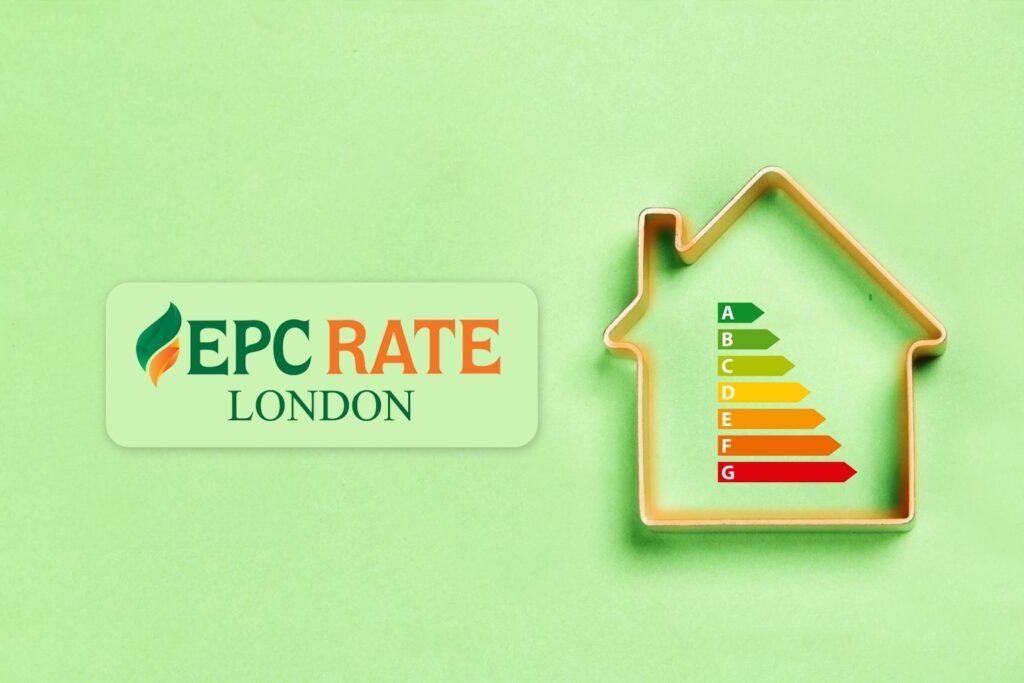
If you’re buying, selling, or renting property in the United Kingdom, understanding EPC ratings (A–G) is essential. These ratings show how energy efficient a property is—and directly impact energy bills, property value, and legal compliance.
What is an EPC Rating?
An Energy Performance Certificate (EPC) gives a property a score from:
- A (most efficient)
- to
- G (least efficient)
It’s based on how much energy a property uses for heating, lighting, and hot water, along with carbon emissions.
EPC Ratings Explained (A to G)
A Rating — Most Efficient
- Very low energy costs
- Usually new builds or eco-homes
- Excellent insulation and renewable energy systems
👉 Best possible rating
B Rating — Highly Efficient
- Low running costs
- Modern homes with good insulation
- Energy-efficient heating systems
C Rating — Good Efficiency
- Typical for newer UK homes
- Reasonable energy bills
- Meets future targets for many landlords
👉 Increasingly becoming the target rating for rentals
D Rating — Average
- Most common rating in the UK
- Moderate energy costs
- Some improvements needed
E Rating — Minimum Legal Standard
- Lowest acceptable rating for rental properties
- Higher energy bills
- Improvements often recommended
👉 Required for landlords under current rules
F Rating — Poor Efficiency
- Very high energy costs
- Poor insulation or outdated systems
- Cannot legally be rented (unless exempt)
G Rating — Worst Rating
- Extremely inefficient
- Highest energy costs
- Significant upgrades required
Why EPC Ratings Matter
✔ Legal Compliance
Landlords must meet minimum standards (E rating or higher)
✔ Energy Costs
Higher ratings = lower bills
✔ Property Value
Efficient homes are more attractive to buyers
✔ Environmental Impact
Lower carbon emissions
In cities like London, higher EPC ratings are becoming increasingly important for both buyers and tenants.
What is a Good EPC Rating?
- A–B: Excellent
- C: Good (future standard target)
- D: Average
- E: Minimum legal requirement
- F–G: Poor (upgrade needed)
How to Improve Your EPC Rating
Quick Wins:
- Switch to LED lighting
- Improve loft insulation
Medium Upgrades:
- Upgrade boiler
- Install double glazing
Major Improvements:
- Solar panels
- Wall insulation
How Long Does an EPC Rating Last?
👉 EPC ratings are valid for 10 years
FAQs
What is the most common EPC rating?
Most UK homes are rated D.
Can I rent a property with a low EPC rating?
Only if it is E or above, unless exempt.
Does EPC affect house price?
Yes—higher ratings often increase property value.
Final Thoughts
Understanding EPC ratings from A to G helps you:
- Reduce energy costs
- Stay legally compliant
- Improve property value
- Make smarter property decisions
Need an EPC?
👉 https://epcrate.co.uk/booking/
👉 https://epcrate.co.uk/pricing/
EPCRate Contact Details
150–160 City Road
London, EC1V 2NX
 020 3488 4142
 info@epcrate.co.uk