As energy costs continue to rise and sustainability becomes a priority for homeowners and landlords, many property owners are investing in solar photovoltaic (PV) panels. One of the most common questions people ask before making the investment is: Does Solar PV improve your EPC rating?
EPCRATE Services — Quick Links
The short answer is yes. In most cases, installing solar PV panels can improve your property’s Energy Performance Certificate (EPC) rating by reducing the amount of electricity a home needs to import from the grid. The extent of the improvement depends on factors such as the size of the solar system, the property’s current energy performance, and other energy-efficiency measures already in place.
For homeowners and landlords in London looking to understand their property’s current EPC rating, professional assessments are available through:
What Is Solar PV?
Solar PV (Photovoltaic) panels convert sunlight into electricity that can be used within your property.
Unlike solar thermal systems, which heat water, solar PV systems generate electrical power that can help run:
- Lighting
- Appliances
- Heating controls
- Home offices
- Electric vehicle chargers
Any excess electricity may be exported back to the grid, depending on your energy arrangement.
What Is an EPC Rating?
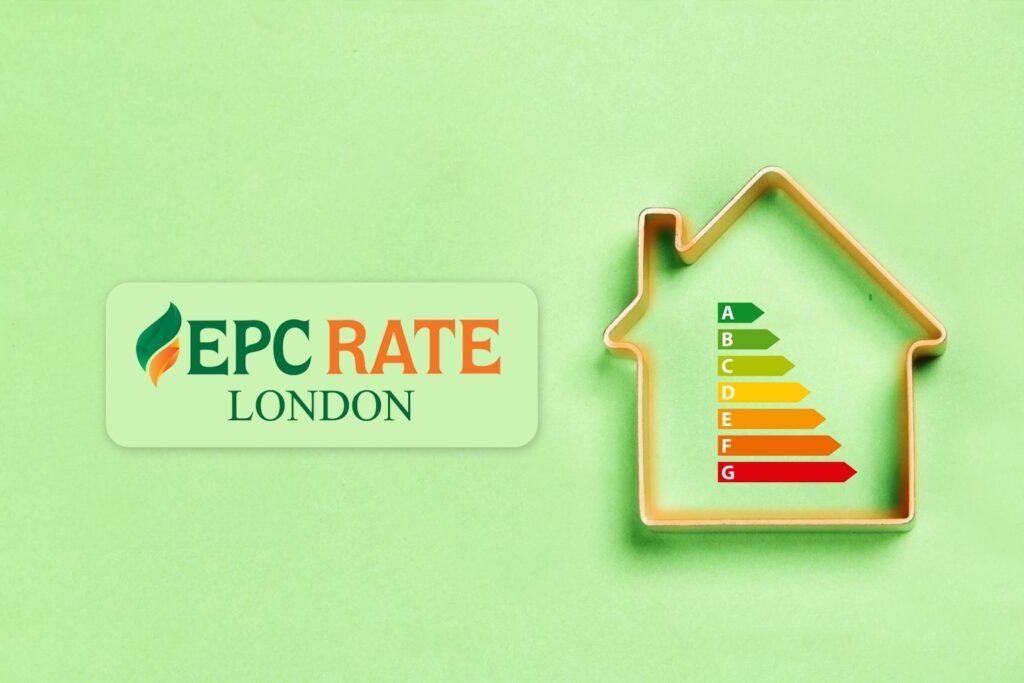
An Energy Performance Certificate (EPC) measures how energy efficient a property is.
Properties receive a rating from:
| Rating | Energy Efficiency |
|---|---|
| A | Most Efficient |
| B | Very Efficient |
| C | Good |
| D | Average |
| E | Below Average |
| F | Poor |
| G | Least Efficient |
The EPC also provides recommendations for improving energy efficiency and reducing energy costs.
For many buyers and tenants, a strong EPC rating is becoming an increasingly important factor when choosing a property.
How Does Solar PV Affect an EPC Rating?
Solar PV can improve an EPC rating because EPC calculations take renewable electricity generation into account.
When a property generates its own electricity:
- Energy demand from the grid is reduced.
- Running costs decrease.
- Carbon emissions are lowered.
- Overall energy performance improves.
As a result, the EPC software often awards additional points that can increase the property’s rating.
How Much Can Solar Panels Improve an EPC?
The improvement varies depending on several factors.
Current EPC Rating
A property with a lower rating may see a more noticeable improvement than a property that is already highly efficient.
Size of the Solar System
Larger systems generally generate more electricity and can have a greater impact on EPC calculations.
Property Energy Usage
The EPC considers how efficiently the property uses energy overall.
Existing Energy Improvements
If your home already has:
- Double glazing
- Loft insulation
- Modern heating systems
- Efficient lighting
the combined effect with solar PV can be significant.
In many cases, solar PV can help move a property up one EPC band, although results vary.
Why EPC Ratings Matter More Than Ever
Energy efficiency is becoming increasingly important for several reasons.
Lower Energy Bills
Properties with higher EPC ratings often cost less to run.
Increased Property Appeal
Buyers frequently compare EPC ratings when evaluating homes.
Landlord Compliance
Rental properties must meet minimum energy efficiency requirements.
Future Regulations
Government policy continues to focus on improving building energy performance.
As a result, many property owners view solar PV as both an environmental improvement and a property investment.
Benefits of Solar PV Beyond EPC Ratings
Although improving an EPC rating is a major benefit, solar panels offer several additional advantages.
Reduced Electricity Costs
Generating your own electricity can significantly reduce monthly energy bills.
Lower Carbon Footprint
Solar power helps reduce reliance on fossil fuels.
Increased Property Appeal
Energy-efficient homes are often more attractive to environmentally conscious buyers.
Potential Property Value Benefits
Some buyers may be willing to pay more for homes with renewable energy systems already installed.
Energy Security
Generating electricity on-site can help reduce exposure to future energy price increases.
Can Solar PV Help Landlords Meet EPC Requirements?
Yes.
Many landlords install solar PV systems to improve EPC ratings and support compliance with energy-efficiency regulations.
Most privately rented residential properties currently require a minimum EPC rating of:
E or Above
Properties with lower ratings may require upgrades before they can be legally rented.
Solar panels can form part of a wider energy-efficiency improvement strategy that includes:
- Insulation upgrades
- Boiler replacements
- Heating controls
- Double glazing
Does Battery Storage Improve an EPC Rating?
Battery storage systems can enhance the practical benefits of solar energy by storing excess electricity for later use.
However, the effect of battery storage on EPC calculations may be more limited than the impact of the solar PV system itself.
The EPC methodology primarily focuses on the renewable electricity generation provided by the solar panels.
Will Solar Panels Guarantee a Better EPC Rating?
Not necessarily.
While solar PV usually contributes positively to an EPC assessment, the final rating depends on many factors.
These include:
- Insulation quality
- Heating system efficiency
- Building construction
- Window performance
- Lighting efficiency
- Overall energy demand
A poorly insulated property with solar panels may still achieve a lower rating than a well-insulated home without them.
For this reason, solar PV works best as part of a broader energy-efficiency strategy.
Other Improvements That Work Well With Solar PV
To maximise EPC improvements, homeowners often combine solar panels with other upgrades.
Loft Insulation
One of the most cost-effective ways to improve energy efficiency.
Wall Insulation
Helps reduce heat loss throughout the year.
Double or Triple Glazing
Improves thermal performance and comfort.
Modern Boilers
Newer heating systems generally use less energy.
Heat Pumps
Air source and ground source heat pumps can significantly improve energy performance.
LED Lighting
A simple upgrade that contributes positively to EPC calculations.
Should You Get a New EPC After Installing Solar Panels?
In many cases, yes.
If your current EPC was issued before your solar PV installation, the certificate will not reflect the benefits of the new system.
Obtaining an updated EPC can:
- Demonstrate improved efficiency
- Highlight renewable energy features
- Increase buyer confidence
- Support landlord compliance
- Potentially improve marketability
A new assessment allows the solar installation to be included in the property’s energy calculations.
How an EPC Assessor Records Solar PV
During an EPC assessment, the assessor may collect information regarding:
- Solar panel size
- Installation type
- System capacity
- Orientation
- Supporting documentation
Accurate information helps ensure the renewable energy system is properly reflected in the EPC calculation.
For EPC assessments in London, visit:
https://epcrate.co.uk/services-epc-assessors-london/
How Much Does an EPC Cost?
EPC pricing varies depending on:
- Property size
- Property type
- Location
- Accessibility
View current pricing information:
https://epcrate.co.uk/pricing/
Why Homeowners Are Combining Solar PV and EPC Improvements
Increasing numbers of homeowners are choosing solar panels because they offer multiple long-term benefits.
The combination of:
- Lower energy bills
- Improved EPC ratings
- Reduced carbon emissions
- Enhanced property appeal
makes solar PV one of the most popular energy-efficiency investments available today.
Frequently Asked Questions
Do solar panels improve EPC ratings?
Yes. Solar PV panels generally improve EPC ratings by reducing grid electricity consumption and lowering carbon emissions.
How many EPC points do solar panels add?
The exact improvement varies depending on the property’s characteristics and the size of the system.
Can solar panels move my property into a higher EPC band?
In some cases, yes. Many properties see enough improvement to move up one EPC band.
Should landlords install solar panels?
Solar PV can help landlords improve energy efficiency and support compliance with rental property regulations.
Will battery storage improve my EPC?
Battery storage may offer practical energy benefits, but solar generation typically has the greatest EPC impact.
Do I need a new EPC after installing solar panels?
If your current EPC does not include the solar installation, obtaining a new assessment is often worthwhile.
Can solar panels increase property value?
Many buyers view renewable energy systems positively, although the exact impact varies by market conditions.
Conclusion
Solar PV panels can be an excellent way to improve your property’s energy efficiency and, in many cases, boost its EPC rating. By generating renewable electricity and reducing reliance on the national grid, solar panels help lower running costs, reduce carbon emissions, and make properties more attractive to buyers and tenants. While the exact improvement depends on the property’s existing energy performance and other efficiency measures, solar PV is often one of the most effective upgrades available. For homeowners and landlords in London, combining solar panels with insulation improvements, efficient heating systems, and modern glazing can deliver even greater EPC benefits and long-term energy savings.
EPCRate Contact Details
150–160 City Road
London, EC1V 2NX
 020 3488 4142
 info@epcrate.co.uk


Written by Jino Jose
DEA & NDEA Accredited Energy Assessor · EPCRATE, London · Founded 2015
Jino Jose is the founder of EPCRATE and one of the few London assessors holding both Domestic Energy Assessor (DEA) and Non-Domestic Energy Assessor (NDEA) accreditations. He has carried out thousands of EPC assessments across all 32 London boroughs since 2015.
Last updated: · About the author →