If you’re planning to sell a property in 2026, one of the first questions you may ask is: Do I need an Energy Performance Certificate (EPC) before selling my house or commercial property? In most cases, the answer is yes. Whether you’re selling a residential home, a flat, an office, a shop, or another commercial building, a valid EPC is usually required before the property is marketed for sale.
An EPC provides important information about a property’s energy efficiency and helps potential buyers understand expected energy costs and potential improvements. Having a valid EPC before listing your property can help avoid delays and ensure compliance with current regulations.
For professional EPC assessments across London, visit:
What Is an EPC?
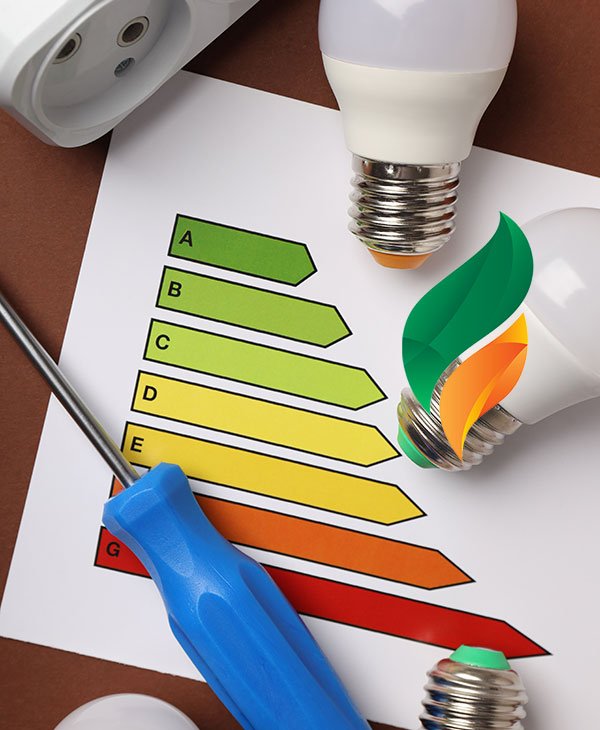
An Energy Performance Certificate (EPC) measures the energy efficiency of a building and provides a rating from A (most efficient) to G (least efficient).
The certificate includes:
- Current energy efficiency rating
- Potential improved rating
- Estimated energy costs
- Carbon emissions information
- Recommendations for improving efficiency
The EPC helps buyers compare properties and understand future running costs before making a purchase decision.
Do You Need an EPC Before Selling a House?
In most cases, yes.
If you are selling a residential property in England, including London, you are generally required to have a valid EPC available when the property is marketed for sale.
This applies to:
- Detached houses
- Semi-detached houses
- Terraced homes
- Flats
- Apartments
- Bungalows
- Maisonettes
Estate agents typically request EPC information before listing a property because buyers must have access to energy performance information during the marketing process.
Why Is an EPC Required When Selling a House?
Legal Compliance
An EPC forms part of the information that prospective buyers should be able to access while considering a property.
Energy Transparency
Buyers increasingly want to understand:
- Energy bills
- Heating efficiency
- Insulation performance
- Environmental impact
Property Comparison
The EPC allows buyers to compare the energy performance of different homes before making a decision.
Do You Need an EPC Before Selling Commercial Property?
In most situations, yes.
Commercial properties generally require a valid EPC before being sold.
Examples include:
- Offices
- Retail units
- Shops
- Restaurants
- Warehouses
- Industrial buildings
- Hotels
- Medical centres
Commercial buyers often use EPC information to evaluate operating costs, energy efficiency, and future upgrade requirements.
Why Commercial EPCs Matter
Commercial buildings can have substantial energy costs.
A Commercial EPC provides information regarding:
Building Efficiency
The assessment reviews:
- Heating systems
- Cooling systems
- Ventilation
- Lighting
- Building fabric
Operating Costs
Potential buyers can estimate future energy expenses.
Investment Decisions
Investors often use EPC ratings when comparing commercial opportunities.
When Should You Arrange an EPC?
Ideally, you should arrange an EPC before marketing begins.
This helps ensure:
- Compliance from the outset
- Smooth property listings
- Fewer transaction delays
- Better preparation for buyer enquiries
Many estate agents and commercial property agents prefer sellers to have EPC information available before listing.
What Happens If You Don’t Have an EPC?
Attempting to market a property without a valid EPC can create unnecessary complications.
Potential consequences include:
- Delays in marketing
- Requests for additional documentation
- Compliance issues
- Transaction delays
Obtaining an EPC early helps avoid these problems and provides buyers with important information from the start.
How Long Does an EPC Last?
Both Domestic and Commercial EPCs are generally valid for:
10 Years
If your property already has a valid certificate issued within the last decade, you may not need a new assessment.
Before arranging a new EPC, check:
- Issue date
- Expiry date
- Whether major improvements have been made since the assessment
Should You Get a New EPC Before Selling?
Even if your existing EPC remains valid, obtaining a new certificate can sometimes be beneficial.
This is particularly true if you have completed improvements such as:
Residential Properties
- New boiler installation
- Solar panels
- Loft insulation
- Double glazing
- Heat pumps
Commercial Properties
- LED lighting upgrades
- HVAC improvements
- Solar PV systems
- Building management systems
- Insulation improvements
An updated EPC may better reflect the property’s current energy performance and potentially improve its rating.
How Does an EPC Assessment Work?
Domestic EPC Assessment
A qualified Domestic Energy Assessor reviews:
- Walls
- Roofs
- Floors
- Heating systems
- Insulation
- Windows
- Lighting
Most residential assessments take between 20 and 60 minutes.
Commercial EPC Assessment
A qualified Non-Domestic Energy Assessor examines:
- Building construction
- Heating systems
- Air conditioning
- Ventilation systems
- Lighting systems
- Energy controls
Commercial inspections can take longer depending on the size and complexity of the building.
Can an EPC Affect Property Sales?
While an EPC does not determine the value of a property directly, it can influence buyer perception.
Properties with stronger EPC ratings may benefit from:
Greater Buyer Interest
Many buyers consider energy efficiency when comparing properties.
Lower Perceived Running Costs
Efficient buildings often appeal to cost-conscious buyers.
Improved Marketability
A strong rating can become a selling point in marketing materials.
As energy costs remain a concern for many households and businesses, EPC ratings are becoming increasingly important.
Are Any Properties Exempt From EPC Requirements?
Certain properties may qualify for exemptions.
Examples can include:
- Some listed buildings
- Temporary structures
- Places of worship
- Certain detached buildings below minimum size thresholds
However, exemptions are often misunderstood. Property owners should verify whether an exemption genuinely applies before assuming an EPC is not required.
For advice regarding your property:
https://epcrate.co.uk/contact-us-epc-services-london/
How Much Does an EPC Cost?
The cost depends on factors such as:
Domestic EPC Factors
- Property size
- Number of bedrooms
- Property type
- Location
Commercial EPC Factors
- Building size
- Complexity
- Number of floors
- HVAC systems
- Building use
View current EPC pricing:
https://epcrate.co.uk/pricing/
Why Choose Professional EPC Assessors?
A professional assessor can help ensure:
- Accurate ratings
- Fast turnaround times
- Regulatory compliance
- Professional reporting
- Useful energy-efficiency recommendations
Learn more about the team:
https://epcrate.co.uk/about-us-epc-company-london/
Book an assessment:
https://epcrate.co.uk/booking/
Frequently Asked Questions
Do I need an EPC before selling my house?
In most cases, yes. A valid EPC is generally required before marketing a residential property.
Do commercial properties require an EPC before sale?
Most commercial buildings require a valid EPC before being marketed for sale.
How long is an EPC valid?
An EPC is generally valid for 10 years.
Can I sell a property with a low EPC rating?
Yes. A low rating does not prevent a sale, although it may affect buyer interest.
Should I get a new EPC after installing solar panels?
If your current EPC does not reflect the installation, obtaining a new assessment may be worthwhile.
Are listed buildings exempt?
Some listed buildings may qualify for exemptions, but this should be confirmed before relying on an exemption.
How quickly can I arrange an EPC?
Most assessments can be booked quickly, with certificates often issued shortly after inspection.
Conclusion
If you’re planning to sell a house or commercial property in 2026, obtaining a valid EPC should be one of the first items on your checklist. In most cases, an Energy Performance Certificate is required before marketing begins, helping buyers understand the property’s energy efficiency and running costs. Whether you’re selling a family home, rental property, office, retail unit, or warehouse, having a valid EPC in place can help ensure compliance, avoid delays, and support a smoother sales process. By arranging an EPC early and keeping your certificate up to date, you can present your property confidently and provide valuable information
EPCRate Contact Details
150–160 City Road
London, EC1V 2NX
 020 3488 4142
 info@epcrate.co.uk