If you’re planning to sell, lease, or market a commercial property in London or elsewhere in England and Wales, you may be wondering whether an Energy Performance Certificate (EPC) is required. The short answer is that, in most cases, yes—a Commercial EPC is required before a commercial property can be sold or leased.
EPCRATE Services — Quick Links
Whether you own an office, retail unit, warehouse, restaurant, industrial building, or other non-domestic premises, understanding EPC requirements can help you stay compliant and avoid delays during a transaction.
For professional Commercial EPC assessments across London, visit:
What Is a Commercial EPC?
A Commercial Energy Performance Certificate measures the energy efficiency of a non-domestic building.
The certificate provides:
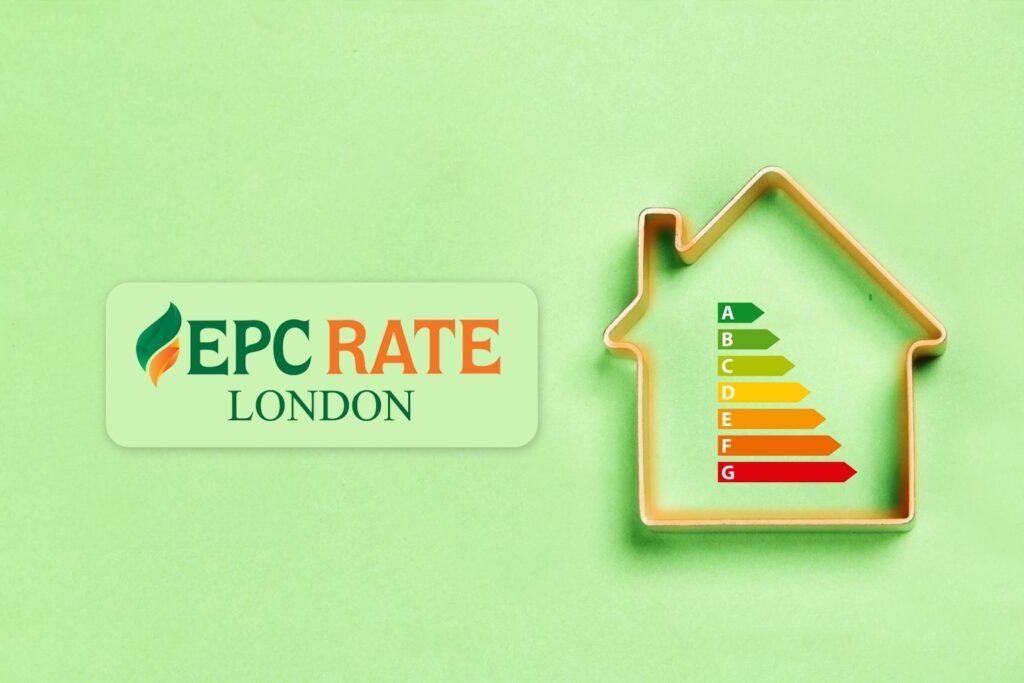
- An energy efficiency rating from A to G
- Estimated energy performance data
- Carbon emissions information
- Recommendations for improving efficiency
The EPC helps potential buyers and tenants understand how efficiently a building uses energy and what improvements may be possible.
Is a Commercial EPC Required Before Selling a Property?
In most circumstances, yes.
If you intend to sell a commercial property, a valid EPC should generally be available before the property is marketed.
This applies to many types of commercial buildings, including:
- Offices
- Retail units
- Shops
- Warehouses
- Industrial premises
- Hotels
- Restaurants
- Medical facilities
Potential buyers are entitled to access information about the building’s energy performance during the sales process.
Is a Commercial EPC Required Before Leasing a Property?
Yes, in most cases.
Landlords generally need a valid EPC before leasing commercial premises to a new tenant.
The EPC allows prospective tenants to evaluate:
- Expected energy costs
- Building efficiency
- Potential future upgrades
- Environmental performance
Providing EPC information early in the leasing process helps tenants make informed decisions.
Why Is a Commercial EPC Important?
A Commercial EPC serves several important purposes.
Legal Compliance
Many commercial property transactions require a valid EPC.
Transparency
Buyers and tenants can compare buildings based on energy performance.
Cost Awareness
Energy-efficient buildings often have lower operating costs.
Environmental Responsibility
Businesses increasingly consider sustainability when choosing premises.
What Types of Commercial Properties Need an EPC?
Commercial EPC requirements generally apply to a wide range of non-domestic buildings.
Examples include:
Office Buildings
From small offices to large corporate headquarters.
Retail Premises
Shops, retail units, and shopping centres.
Industrial Buildings
Factories, warehouses, and manufacturing facilities.
Hospitality Venues
Hotels, restaurants, cafés, and leisure facilities.
Healthcare Buildings
Clinics, medical centres, and private healthcare facilities.
Educational Buildings
Many educational premises may also require EPCs, depending on circumstances.
When Should You Arrange a Commercial EPC?
Ideally, you should arrange your EPC before marketing the property.
This can help:
- Avoid delays
- Ensure compliance
- Support smoother transactions
- Provide information to prospective buyers or tenants
Many property agents prefer to have EPC information available before listing a commercial property.
How Long Does a Commercial EPC Last?
A Commercial EPC is generally valid for:
10 Years
Once issued, the certificate can usually be used multiple times during that period for sales and lease transactions.
However, property owners may choose to update the certificate sooner if major energy-efficiency improvements have been completed.
What Happens During a Commercial EPC Assessment?
A qualified Non-Domestic Energy Assessor will inspect the building and review various features that affect energy performance.
The assessment may include:
Building Fabric
- Walls
- Roofs
- Floors
- Insulation
Heating Systems
- Boilers
- Heating controls
- Heat distribution systems
Cooling and Ventilation
- Air conditioning
- Mechanical ventilation
- Cooling systems
Lighting
- Internal lighting
- External lighting
- Energy-efficient fittings
Energy Controls
- Building management systems
- Automated controls
The collected data is used to calculate the building’s EPC rating.
What EPC Rating Will My Commercial Property Receive?
Commercial properties receive a rating between:
| Rating | Energy Efficiency |
|---|---|
| A | Most Efficient |
| B | Very Efficient |
| C | Good |
| D | Average |
| E | Below Average |
| F | Poor |
| G | Least Efficient |
The rating reflects the property’s overall energy performance at the time of assessment.
Can a Low EPC Rating Affect a Sale or Lease?
A low EPC rating does not necessarily prevent a property from being sold or leased.
However, it can influence:
Buyer Interest
Energy-conscious purchasers may prefer more efficient buildings.
Tenant Decisions
Occupiers often consider operating costs when selecting premises.
Investment Appeal
Investors increasingly factor energy performance into acquisition decisions.
For these reasons, many owners seek opportunities to improve their EPC ratings.
How Can You Improve a Commercial EPC Rating?
Several upgrades may improve energy performance.
LED Lighting
Modern LED systems consume significantly less energy.
HVAC Improvements
Efficient heating and cooling systems can positively affect ratings.
Solar Panels
Renewable energy systems may improve EPC scores.
Insulation Upgrades
Reducing heat loss can enhance overall efficiency.
Smart Building Controls
Automated controls can help reduce unnecessary energy consumption.
Improving a rating can also help lower operating costs and increase building appeal.
Are Any Commercial Properties Exempt?
Certain buildings may qualify for exemptions in specific circumstances.
Examples can include:
- Some listed buildings
- Temporary buildings
- Places of worship
- Certain low-energy-use structures
Because exemptions can be complex, property owners should seek professional advice before assuming that an EPC is not required.
For assistance:
https://epcrate.co.uk/contact-us-epc-services-london/
How Much Does a Commercial EPC Cost?
Commercial EPC costs vary depending on:
- Property size
- Number of floors
- Building complexity
- Heating and cooling systems
- Accessibility
For current pricing information, visit:
https://epcrate.co.uk/pricing/
Why Choose Professional Commercial EPC Assessors?
Working with experienced assessors can help ensure:
- Accurate ratings
- Fast turnaround times
- Compliance with regulations
- Professional reporting
- Practical energy-efficiency recommendations
Learn more about our company:
https://epcrate.co.uk/about-us-epc-company-london/
Frequently Asked Questions
Do I need an EPC before selling a commercial property?
In most cases, yes. A valid EPC should generally be available before the property is marketed for sale.
Do landlords need a Commercial EPC before leasing?
Yes, a valid EPC is usually required before leasing commercial premises to new tenants.
How long does a Commercial EPC last?
A Commercial EPC is generally valid for 10 years.
Can I use an old Commercial EPC?
Yes, provided it remains valid and accurately reflects the building.
Does a low EPC rating stop a sale?
No, but it may affect buyer or tenant interest.
Can I improve my Commercial EPC rating?
Yes. Upgrades such as LED lighting, insulation, solar panels, and efficient HVAC systems can improve energy performance.
Conclusion
In most cases, commercial properties require a valid EPC before being sold or leased. The certificate provides valuable information about a building’s energy efficiency and helps buyers and tenants make informed decisions. Whether you own an office, retail unit, warehouse, restaurant, or industrial building, arranging a Commercial EPC before marketing your property can help ensure compliance, avoid delays, and support a smoother transaction. By maintaining an up-to-date EPC and investing in energy-efficiency improvements where appropriate, commercial property owners can enhance both the appeal and long-term performance of their buildings
EPCRate Contact Details
150–160 City Road
London, EC1V 2NX
 020 3488 4142
 info@epcrate.co.uk


Written by Jino Jose
DEA & NDEA Accredited Energy Assessor · EPCRATE, London · Founded 2015
Jino Jose is the founder of EPCRATE and one of the few London assessors holding both Domestic Energy Assessor (DEA) and Non-Domestic Energy Assessor (NDEA) accreditations. He has carried out thousands of EPC assessments across all 32 London boroughs since 2015.
Last updated: · About the author →