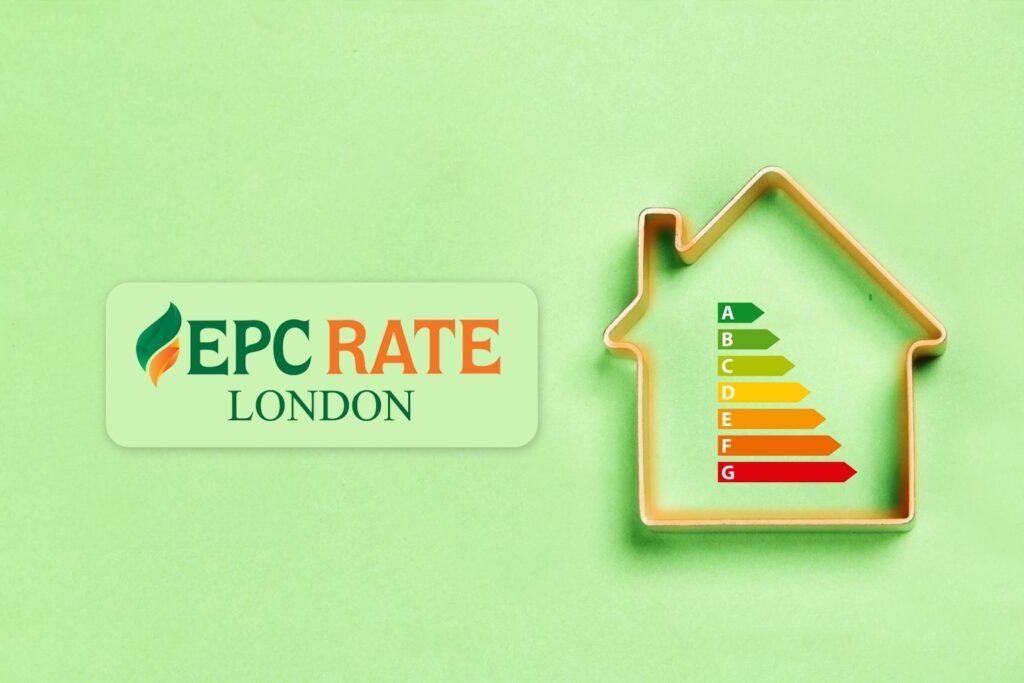
If you’re booking an Energy Performance Certificate (EPC) for the first time, you may wonder what actually happens during the assessment. The good news is that the process is usually quick, simple, and non-disruptive.
This guide explains exactly what happens during an EPC assessment in the United Kingdom, what assessors check, and how to prepare your property in 2026.
What Is an EPC Assessment?
An EPC assessment is an inspection carried out by an accredited assessor to measure the energy efficiency of a property.
The assessor collects information about:
- Heating systems
- Insulation
- Windows and glazing
- Property size and layout
- Energy-saving features
The result is an EPC rating from:
- A (most efficient)
to - G (least efficient)
How Long Does an EPC Assessment Take?
Most domestic EPC inspections take:
- 30–60 minutes for standard homes
- Longer for large or commercial properties
In busy areas like London, same-day appointments are often available.
Step-by-Step: What Happens During an EPC Assessment?
Step 1: Property Inspection Begins
The assessor arrives and confirms:
- Property type
- Number of rooms
- Approximate age of the building
They may also ask:
- Whether extensions were added
- If insulation or upgrades were installed
Step 2: Measuring the Property
The assessor measures:
- Floor area
- Room dimensions
- Overall property layout
These measurements help calculate energy performance.
Step 3: Checking Insulation
One of the biggest EPC factors is insulation.
The assessor checks:
- Loft insulation
- Wall insulation
- Floor insulation (if accessible)
👉 Better insulation usually means a higher EPC rating.
Step 4: Inspecting Heating Systems
The heating system plays a major role in EPC scoring.
The assessor records:
- Boiler type and age
- Radiators and controls
- Thermostats
- Hot water systems
Modern efficient boilers score better.
Step 5: Windows & Glazing Review
They inspect:
- Single or double glazing
- Window condition
- Draught-proofing features
Double glazing improves efficiency ratings.
Step 6: Lighting & Energy Features
The assessor notes:
- LED lighting
- Solar panels
- Heat pumps
- Renewable energy systems
Energy-saving technology can boost the EPC score significantly.
Step 7: Data Analysis & EPC Calculation
After the visit:
- The assessor enters property data into approved software
- Energy calculations are completed
- Your EPC rating is generated
What You Receive After the Assessment
You’ll receive an official EPC containing:
- Energy rating (A–G)
- Estimated running costs
- Carbon emissions information
- Recommendations for improvement
What Affects Your EPC Score Most?
The biggest factors include:
- Insulation quality
- Boiler efficiency
- Window glazing
- Heating controls
- Renewable energy systems
How to Prepare for an EPC Assessment
✔ Make These Accessible:
- Boiler and heating system
- Loft hatch
- Meter cupboards
✔ Gather Any Upgrade Documents:
- Insulation certificates
- Boiler installation paperwork
- Solar panel details
FAQs
Do I need to clean or prepare the house?
No major preparation is needed, but access helps speed things up.
Can I fail an EPC?
No—every property receives a rating, even low-performing homes.
How quickly do I get the certificate?
Usually within 24–48 hours.
Final Thoughts
An EPC assessment is a straightforward process designed to measure your property’s energy efficiency.
👉 Most inspections are:
- Quick
- Non-invasive
- Completed within an hour
Understanding the process helps you prepare properly and potentially improve your final EPC rating.
📞 Book an EPC Assessment
👉 https://epcrate.co.uk/booking/
👉 https://epcrate.co.uk/pricing/
EPCRate Contact Details
150–160 City Road
London, EC1V 2NX
 020 3488 4142
 info@epcrate.co.u