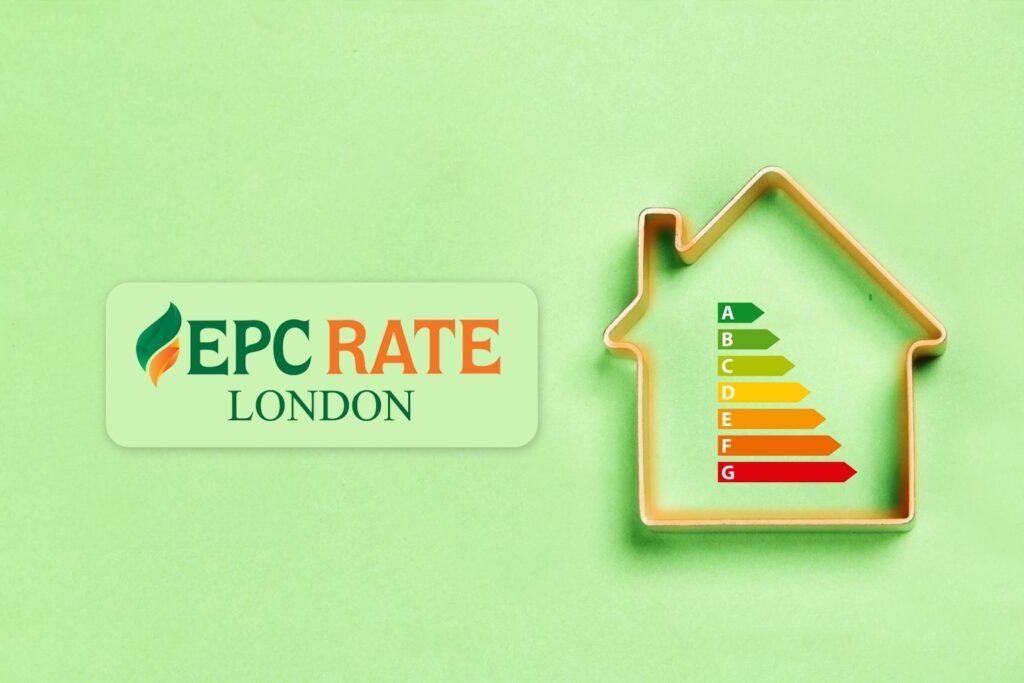
If you own, sell, or rent property in the United Kingdom, understanding Energy Performance Certificates (EPCs) is essential in 2026. This guide breaks down both Domestic and Commercial EPCs in a simple, practical way—covering costs, rules, process, and benefits.
What is an EPC?
An Energy Performance Certificate (EPC) shows how energy efficient a property is, using a rating scale:
- A (most efficient)
- to
- G (least efficient)
It also includes:
- Estimated energy costs
- Carbon emissions
- Recommended improvements
- Potential future rating
An EPC is legally required before a property can be sold or rented.
Domestic EPC (For Homes)
What is a Domestic EPC?
A Domestic EPC applies to residential properties such as:
- Houses
- Flats
- Apartments
It helps buyers and tenants understand energy usage and potential running costs.
Why Do You Need a Domestic EPC?
- Required by law before marketing a property
- Helps compare homes based on efficiency
- Shows estimated energy bills
- Required for landlords (minimum E rating)
In high-demand areas like London, EPC compliance is strictly enforced.
How Does a Domestic EPC Work?
- Inspection takes 30–40 minutes
- Assessor checks heating, insulation, windows, and lighting
- Certificate issued within 24–48 hours
Domestic EPC Costs (2026)
- From £34.99 (small properties)
- £40–£80 for larger homes
Commercial EPC (For Businesses)
What is a Commercial EPC?
A Commercial EPC applies to business properties such as:
- Offices
- Retail shops
- Warehouses
- Restaurants and cafés
- Mixed-use buildings
Why Do You Need a Commercial EPC?
- Mandatory before selling or leasing
- Required under Minimum Energy Efficiency Standards (MEES)
- Helps avoid fines
- Improves energy efficiency and reduces costs
How Does a Commercial EPC Work?
- Inspection time varies by property size
- Includes HVAC systems, lighting, insulation, and layout
- Certificate issued within 24–48 hours
Commercial EPC Costs
- From £145 (small units)
- £200–£500 (medium buildings)
- Custom pricing for larger properties
Domestic vs Commercial EPC: Key Differences
| Feature | Domestic EPC | Commercial EPC |
|---|---|---|
| Property Type | Homes | Business properties |
| Cost | Lower | Higher |
| Complexity | Simple | Detailed |
| Inspection Time | 30–40 mins | Varies |
| Purpose | Sell/rent homes | Lease/sell business space |
How Long is an EPC Valid?
Both Domestic and Commercial EPCs are valid for:
👉 10 years
EPC Rules in 2026 (UK)
- Minimum EPC rating of E required for rental properties
- EPC must be available before marketing
- Non-compliance may result in penalties
Benefits of Having an EPC
✔ Legal Compliance
Avoid fines and delays
✔ Lower Energy Costs
Identify inefficiencies
✔ Higher Property Value
Better ratings attract buyers and tenants
✔ Sustainability
Reduce environmental impact
Frequently Asked Questions
Do all properties need an EPC?
Most do, with a few exemptions (e.g., certain listed buildings).
How fast can I get an EPC?
Usually within 24–48 hours after inspection.
Can I rent without an EPC?
No, it is illegal to market a property without one.
Final Thoughts
An EPC is more than a legal requirement—it’s a valuable tool for improving energy efficiency, reducing costs, and increasing property value in 2026.
📞 Book Your EPC Today
👉 https://epcrate.co.uk/booking/
👉 https://epcrate.co.uk/pricing/
👉 https://epcrate.co.uk/contact-us-epc-services-london/
EPCRate Contact Details
150–160 City Road
London, EC1V 2NX
 020 3488 4142
 info@epcrate.co.uk