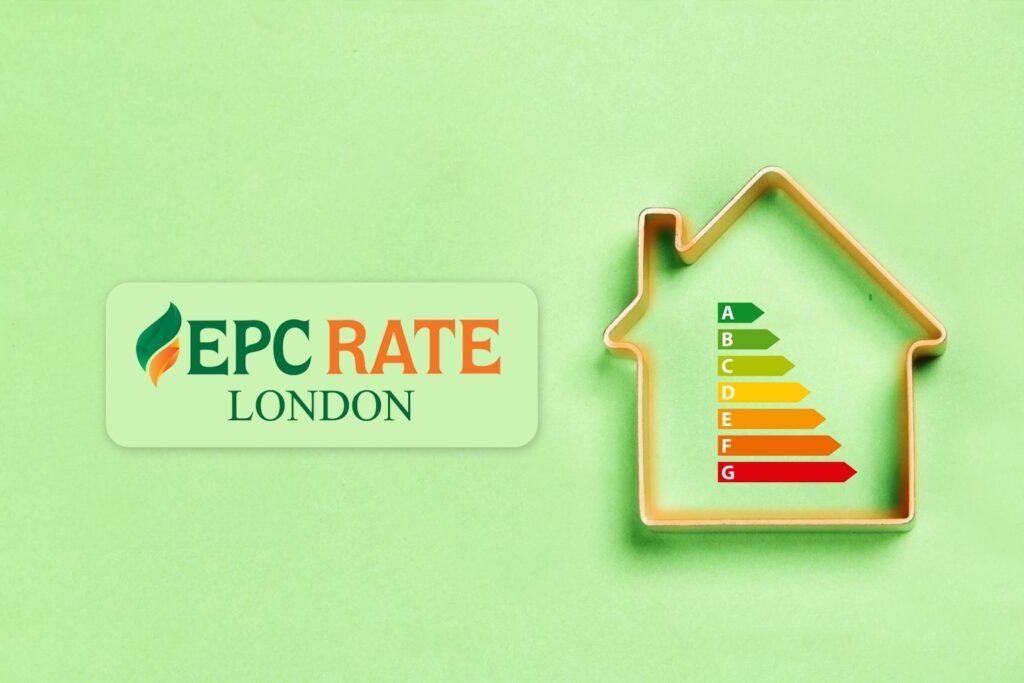
If you’re selling, renting, or managing property in the United Kingdom, understanding Energy Performance Certificates (EPCs) is essential in 2026. This guide explains everything—costs, rules, process, and why EPCs matter for both homes and businesses.
What is an EPC?
An Energy Performance Certificate (EPC) measures how energy efficient a property is, giving it a rating from:
- A (most efficient)
- to
- G (least efficient)
It also includes:
- Estimated energy costs
- Carbon emissions
- Recommendations to improve efficiency
- Potential future rating
Domestic EPC in 2026
What is a Domestic EPC?
A Domestic EPC applies to residential properties such as:
- Houses
- Flats
- Apartments
It is legally required when selling, renting, or building a home.
Why Do You Need a Domestic EPC?
- Required before marketing a property
- Helps buyers and tenants compare homes
- Provides energy cost estimates
- Required for landlord compliance (minimum E rating)
In areas like London, EPCs are strictly enforced for property transactions.
How Long Does a Domestic EPC Take?
- Assessment time: 30–40 minutes
- Certificate issued within: 24–48 hours
What Happens During the Inspection?
- Heating systems checked
- Insulation assessed
- Windows and glazing reviewed
- Lighting efficiency evaluated
Domestic EPC Costs in 2026
- From £34.99 for small properties
- £40–£80 for larger homes
Costs vary depending on size and location.
Commercial EPC in 2026
What is a Commercial EPC?
A Commercial EPC applies to business properties such as:
- Offices
- Shops
- Warehouses
- Restaurants
- Mixed-use buildings
Why Do You Need a Commercial EPC?
- Legal requirement before sale or lease
- Must meet Minimum Energy Efficiency Standards (MEES)
- Avoid penalties for non-compliance
- Improve building efficiency and reduce costs
Commercial EPC Costs
- Small units: From £145
- Medium buildings: £200–£500
- Large properties: Custom pricing
How Long Does a Commercial EPC Take?
- Inspection time varies based on size
- Certificate issued within 24–48 hours
Assessment Includes:
- Heating and cooling systems
- Lighting systems
- Insulation
- Building structure
How Long is an EPC Valid?
Both Domestic and Commercial EPCs in the UK are valid for:
👉 10 years
When Should You Renew an EPC?
- When it expires
- Before selling or renting again
- After major upgrades (recommended)
Benefits of Having an EPC
✔ Legal Compliance
Avoid fines and delays
✔ Lower Energy Bills
Identify inefficiencies
✔ Increased Property Value
Higher-rated properties are more attractive
✔ Better Marketability
Stand out in competitive markets
EPC Rules in 2026 (MEES)
- Minimum E rating required for rental properties
- EPC required before marketing
- Penalties for non-compliance
Frequently Asked Questions
How long is an EPC valid?
10 years.
Can I sell without an EPC?
No, it is illegal to market a property without one.
How quickly can I get an EPC?
Usually within 24–48 hours after inspection.
What happens if my EPC rating is too low?
You may need to improve the property before renting.
Final Thoughts
Whether you own a home or a commercial property, an EPC is essential in 2026 for:
- Legal compliance
- Energy efficiency
- Property value
- Buyer and tenant confidence
📞 Book Your EPC Today
👉 https://epcrate.co.uk/booking/
👉 https://epcrate.co.uk/pricing/
👉 https://epcrate.co.uk/contact-us-epc-services-london/
EPCRate Contact Details
150–160 City Road
London, EC1V 2NX
 020 3488 4142
 info@epcrate.co.uk