If you are selling, letting, or managing a property, understanding how long an EPC takes and what happens during the assessment is essential. With tighter enforcement and higher awareness around energy efficiency in 2026, property owners and landlords must ensure their Energy Performance Certificate (EPC) is completed accurately and on time.
EPCRATE Services — Quick Links
This guide explains the EPC timeline, the step-by-step assessment process, and what you should expect before, during, and after the visit.
How Long Does an EPC Take?
The time required for an EPC depends on the size, age, and layout of the property.
Typical Domestic EPC Timings
Studio or small flat: 30–40 minutes
Terraced or semi-detached house: 45–60 minutes
Detached or larger homes: 60–90 minutes
For most properties, the certificate is issued within 24–48 hours after the inspection.
If you need a fast turnaround, you can book a qualified EPC assessor in London directly via
👉 https://epcrate.co.uk/booking/
Commercial EPCs take longer and may range from 1–4 hours, depending on building size and usage.
Step-by-Step EPC Assessment Process
Step 1: Booking the EPC
Once booked, a qualified and accredited assessor arranges a suitable visit time. EPCRate works with experienced EPC assessors across London, ensuring compliance and accuracy.
Learn more about the company here:
👉 https://epcrate.co.uk/about-us-epc-company-london/
Before the visit, ensure:
Step 2: On-Site Property Inspection
The EPC assessor carries out a non-intrusive visual inspection. No drilling, testing, or disruption occurs.
The assessor records:
Property size and floor area
Wall construction (solid or cavity)
Roof type and insulation evidence
Windows and glazing type
Heating and hot water systems
Lighting efficiency
Photos may be taken as evidence, in line with government audit requirements.
Step 3: Measurements and Data Collection
Measurements help calculate:
Total usable floor space
Heat-loss areas
Construction details
If available, documents such as boiler installation certificates or insulation records help improve accuracy and ensure your EPC reflects the true efficiency of the property.
Step 4: Energy Modelling and Calculation
After the visit, the assessor enters the data into government-approved EPC software (RdSAP).
This generates:
This data forms the basis of the final EPC report.
Step 5: EPC Report Generation
Your EPC report includes:
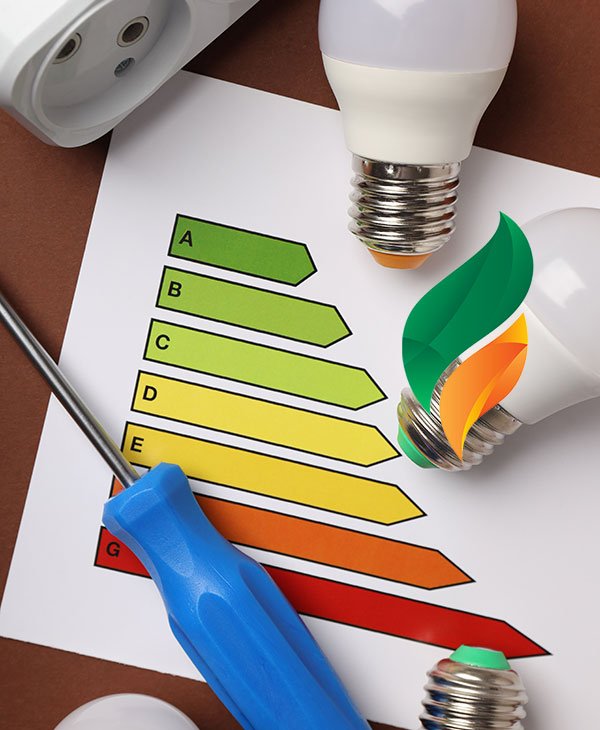
Current and potential energy ratings
Clear improvement recommendations
Estimated savings from upgrades
These recommendations are particularly important for landlords aiming to meet MEES compliance in 2026.
You can also review transparent EPC pricing in London before booking:
👉 https://epcrate.co.uk/pricing/
Step 6: Certificate Issued and Registered
Once completed:
The EPC is uploaded to the national EPC register
A digital copy is issued to the property owner
The certificate remains valid for 10 years
For domestic and commercial properties, EPCRate provides fully compliant certification through its professional services team:
👉 https://epcrate.co.uk/services-epc-assessors-london/
Does an EPC Cause Disruption?
No. EPC assessments are:
No utilities are switched off, and no fixtures are damaged.
What Happens After You Receive the EPC?
Your EPC allows you to:
Legally sell or rent the property
Demonstrate compliance with regulations
Share documentation with agents
Plan energy-efficiency improvements
If your property is rated F or G, improvements may be legally required before letting.
If you have questions after receiving your certificate, you can contact EPCRate directly:
👉 https://epcrate.co.uk/contact-us-epc-services-london/