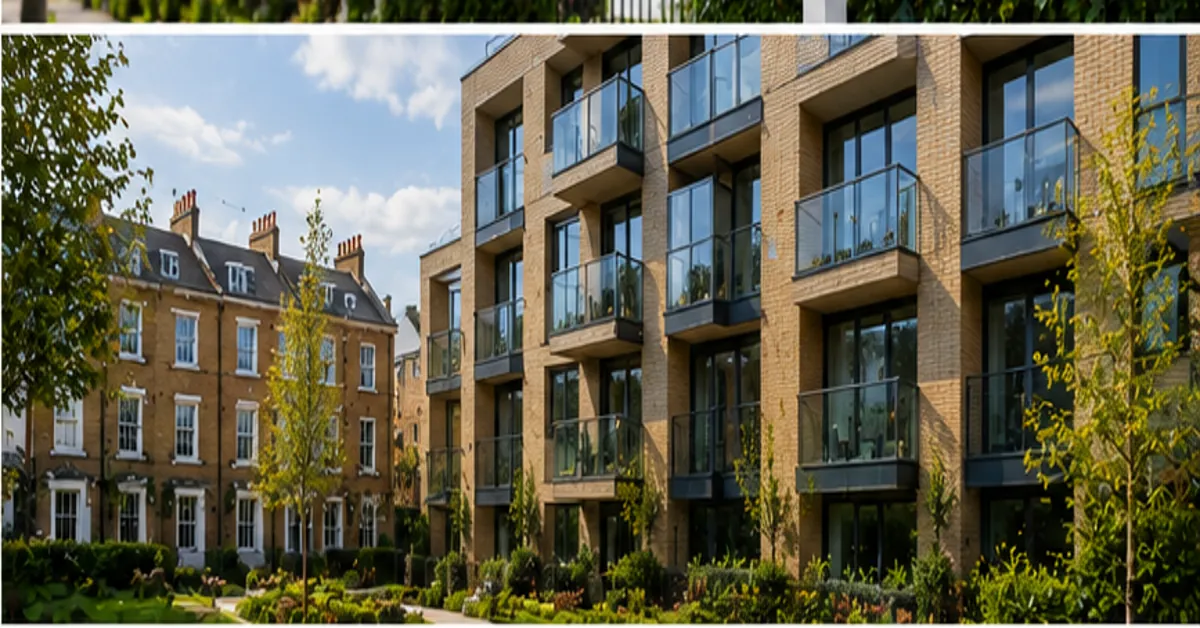
An Energy Performance Certificate (EPC) provides a snapshot of your home’s energy efficiency at a specific point in time. Many homeowners assume that once a property achieves a high EPC rating, it will stay that way indefinitely. However, EPC ratings can decline over time, and understanding why this happens is key to maintaining energy efficiency and property value.
EPCRATE Services — Quick Links
Our experienced EPC Assessors in London see this issue frequently, and with the right strategy, most rating drops are preventable:
👉 https://epcrate.co.uk/services-epc-assessors-london/
1. How EPC Ratings Are Determined
EPC ratings are calculated using:
Building fabric: walls, floors, roofs, insulation
Windows and doors: glazing type and draught-proofing
Heating systems: boilers, heat pumps, and hot water systems
Heating controls: thermostats, TRVs, zoning
Lighting: fixed energy-efficient lighting
Renewable energy: solar panels, heat pumps
The rating reflects theoretical energy efficiency, assuming all components are properly maintained and functional.
👉 Learn more about EPC assessments:
https://epcrate.co.uk/about-us-epc-company-london/
2. Why EPC Ratings Can Drop Over Time
Several factors can cause a decline in EPC scores:
a) Wear and Tear of Insulation and Building Fabric
Loft insulation can compress or shift
Cavity walls can become damp or settle
Draughts may develop around windows and doors
Even small changes in building fabric can reduce heat retention, lowering your EPC.
b) Aging Heating Systems
Boilers lose efficiency as they age
Heat pumps and radiators can underperform
Heating controls may become faulty or outdated
An older, inefficient heating system directly reduces calculated energy efficiency.
c) Inefficient Maintenance of Heating Controls
TRVs may stick or be removed
Programmable thermostats may fail or be misconfigured
Zoning systems may stop working
Faulty or missing controls are a common reason for EPC score drops.
d) Changes in Property Use
Increased occupancy
More frequent heating or hot water usage
Installation of non-efficient appliances
While EPCs assume standard use, actual changes in usage can reveal inefficiencies.
e) EPC Methodology Updates
EPC calculations and standards evolve
New software versions may assess previously unrecorded features
Band thresholds can shift, meaning an unchanged property may receive a lower score
This is why older EPCs can become “out of date” even without physical changes.
3. Preventing EPC Score Drops
Maintaining or improving your EPC rating requires regular monitoring and strategic upgrades.
a) Maintain Insulation and Seals
Check loft and cavity insulation regularly
Seal gaps around windows, doors, and floors
Repair damaged or degraded insulation
b) Service and Upgrade Heating Systems
Service boilers and heat pumps annually
Replace aging units with efficient models
Ensure heating controls are functional and correctly configured
c) Update Lighting
Replace old halogen or incandescent bulbs with LED lighting
Ensure permanent fittings are energy-efficient
d) Consider Minor Renovations
Install TRVs on all radiators
Implement zoning controls in multi-room properties
Check renewable systems for proper operation
Even small improvements can prevent drops or push a property into a higher band.
4. Timing Your EPC Re-Assessment
EPCs are valid for 10 years, but a re-assessment before the expiration can be beneficial if you have made improvements or maintenance upgrades.
Ensure all high-impact measures are completed
Gather certificates, invoices, and documentation
Schedule your assessment to reflect current energy efficiency
👉 Book your EPC re-assessment:
https://epcrate.co.uk/booking/
5. Why Preventing a Drop Matters
A declining EPC can have serious consequences:
Lower property value: Buyers may discount homes with poor ratings
Compliance risk for landlords: Minimum EPC standards are mandatory
Higher energy bills: Less efficient homes cost more to heat and power
Preventive measures save money, maintain property value, and ensure regulatory compliance.
6. Key Takeaways
EPC ratings are not permanent; they can drop due to wear, aging systems, faulty controls, and methodology updates.
Regular maintenance of insulation, heating systems, controls, and lighting can prevent rating declines.
Strategic upgrades are the most cost-effective way to maintain or improve EPC scores.
Documentation is essential to ensure upgrades are recognised during re-assessment.
Maintaining a strong EPC rating is not just about compliance—it’s about protecting your property value, reducing energy costs, and ensuring comfort for occupants.
Get Expert EPC Advice and Support
Email :info@epcrate.co.uk
Phone:020 34884142


Written by Jino Jose
DEA & NDEA Accredited Energy Assessor · EPCRATE, London · Founded 2015
Jino Jose is the founder of EPCRATE and one of the few London assessors holding both Domestic Energy Assessor (DEA) and Non-Domestic Energy Assessor (NDEA) accreditations. He has carried out thousands of EPC assessments across all 32 London boroughs since 2015.
Last updated: · About the author →